
Key specs
- Type
- Tank
- Origin
 Germany
- Manufacturer
- Henschel, MAN, Krupp, Daimler
- Designed
- 1932
- Entered service
- 1934
- Produced
- 1934–1943
- Units produced
- 1,659
- Status
- Retired
- Crew
- 2
Tank
7 / 91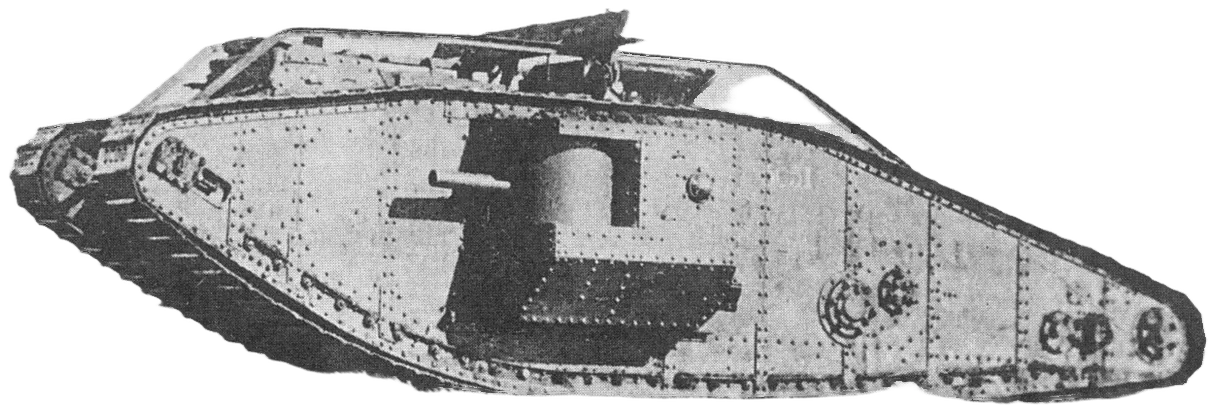 Mark I tank
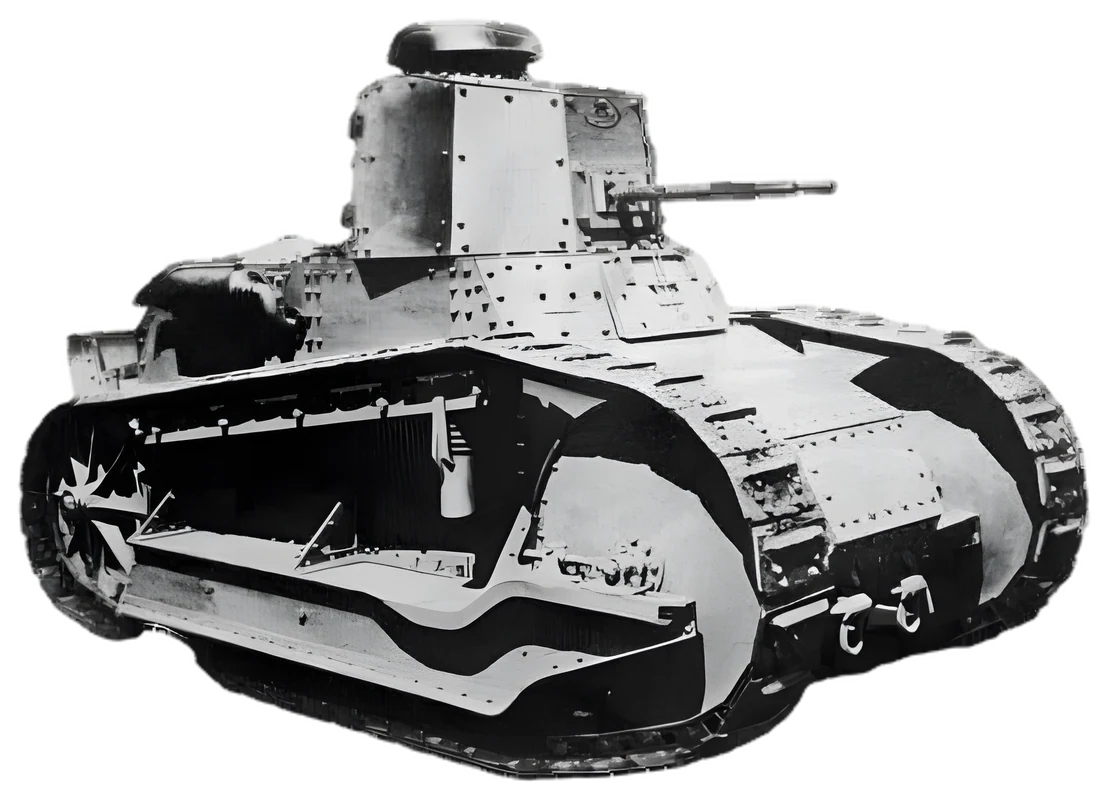 Renault FT
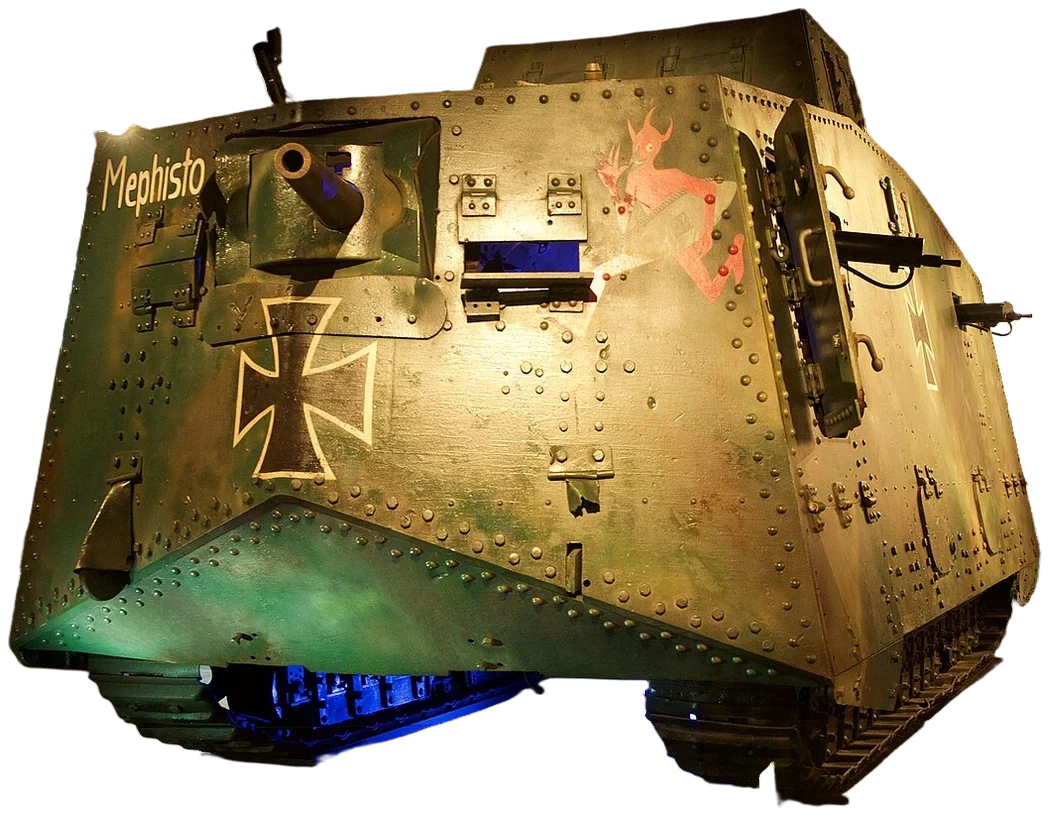 A7V
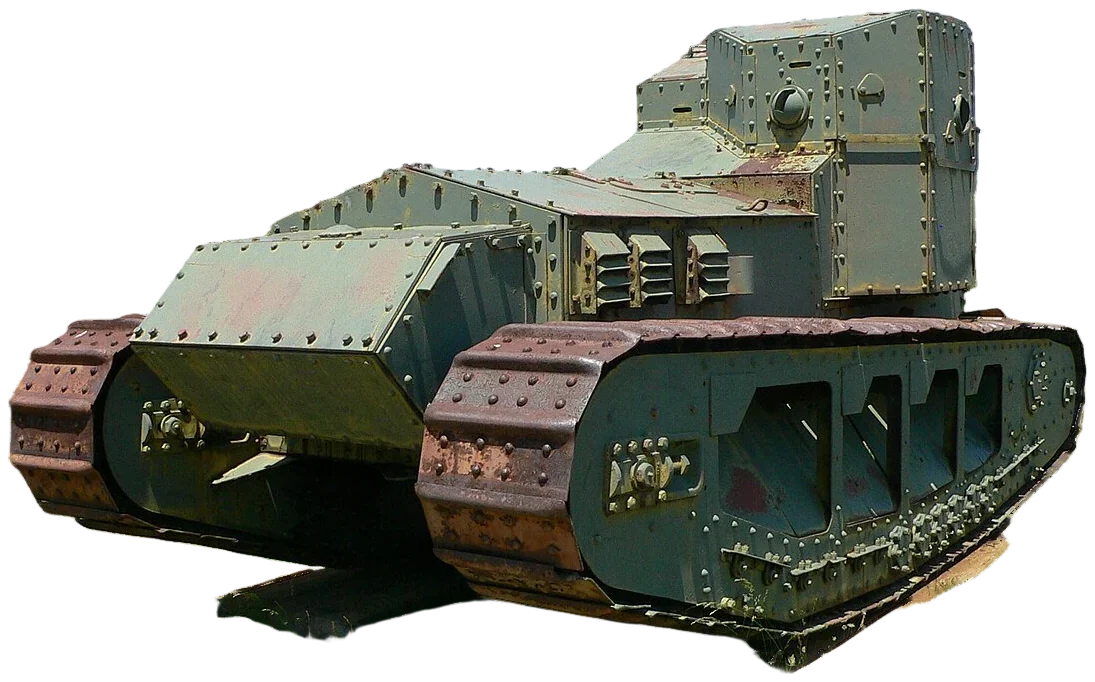 Whippet
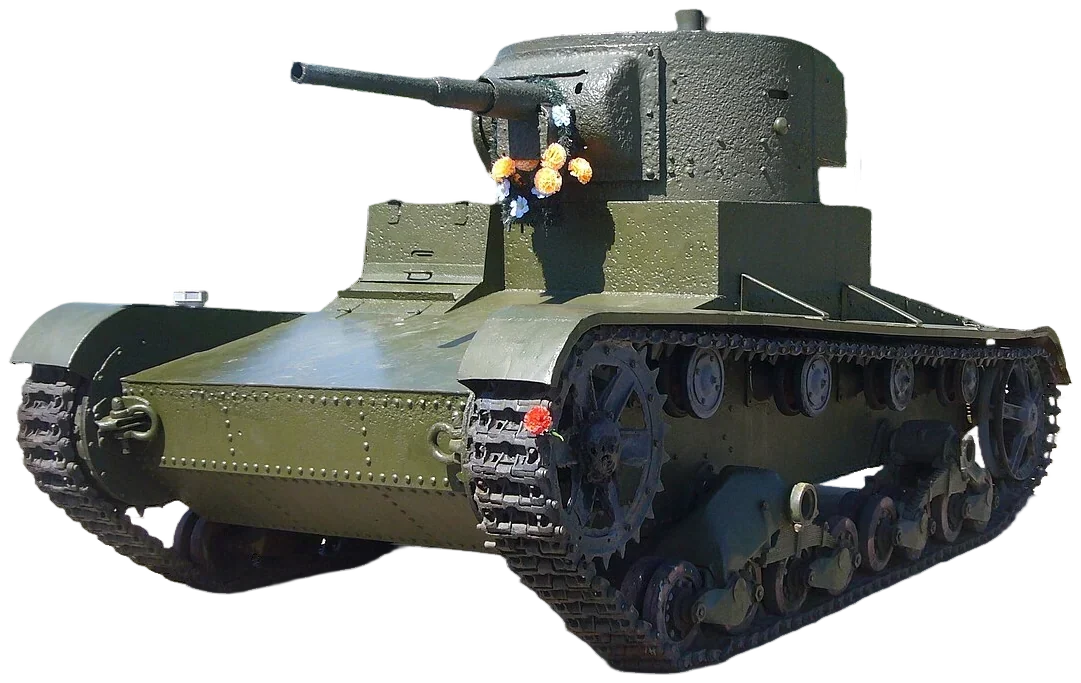 T-26
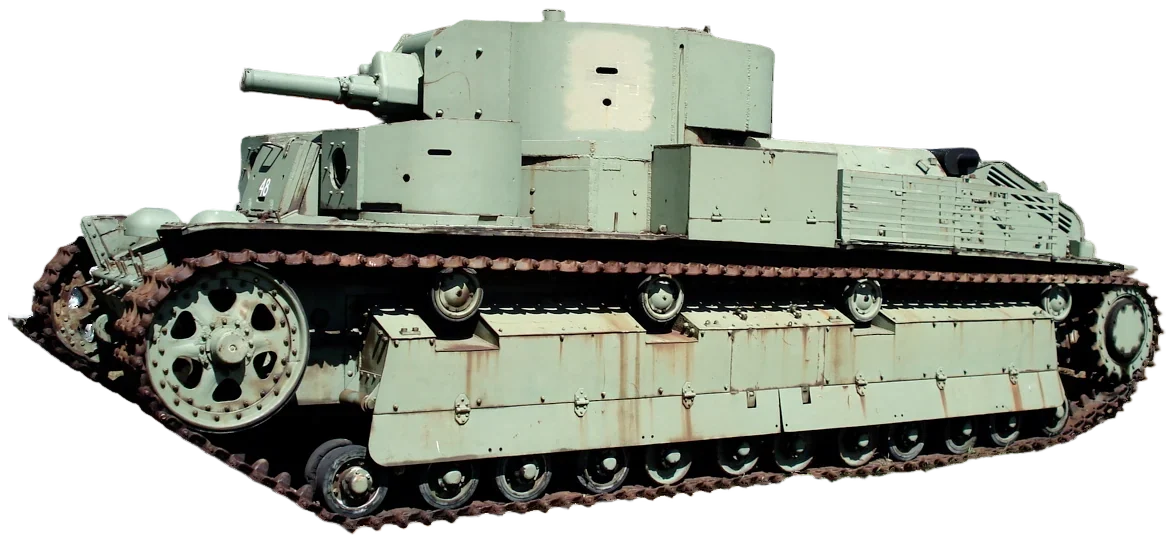 T-28Panzer I
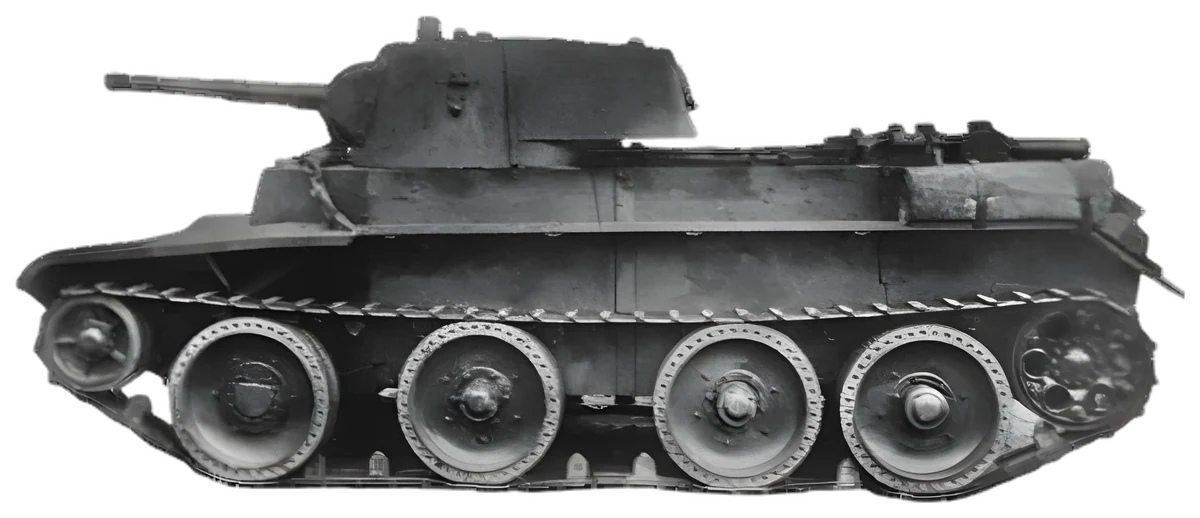 BT-7
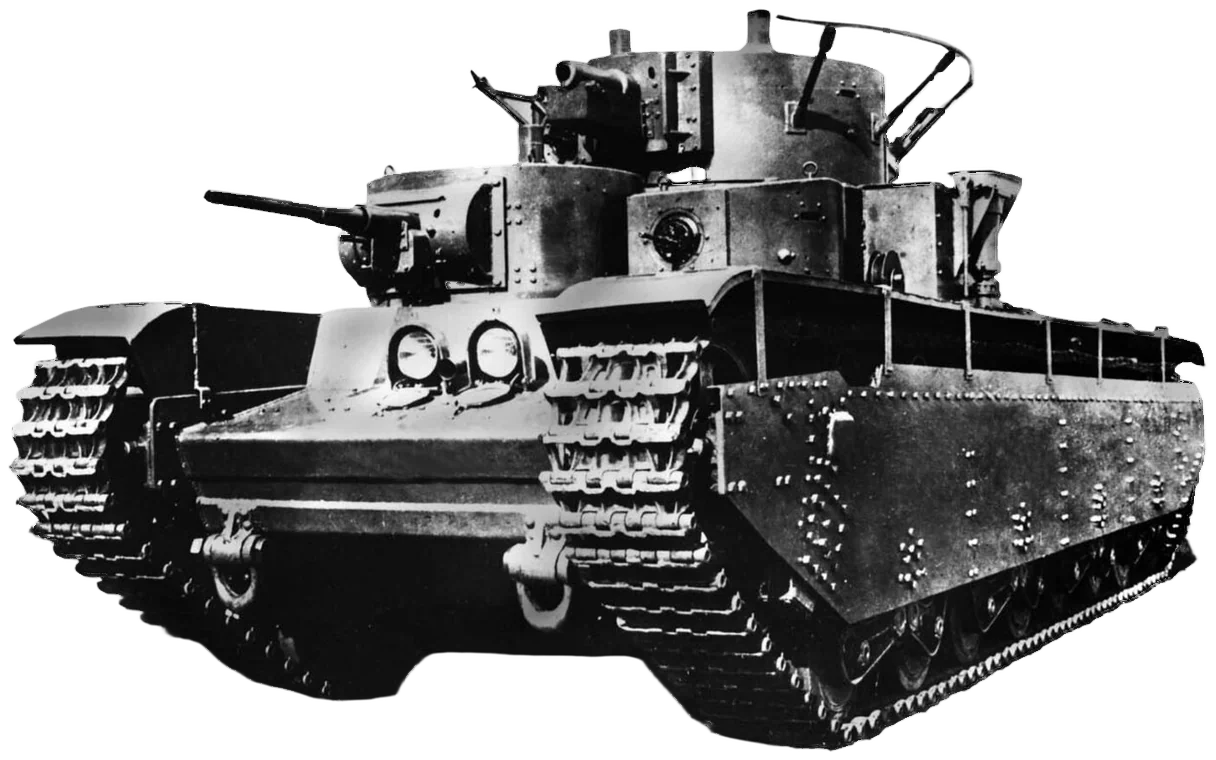 T-35
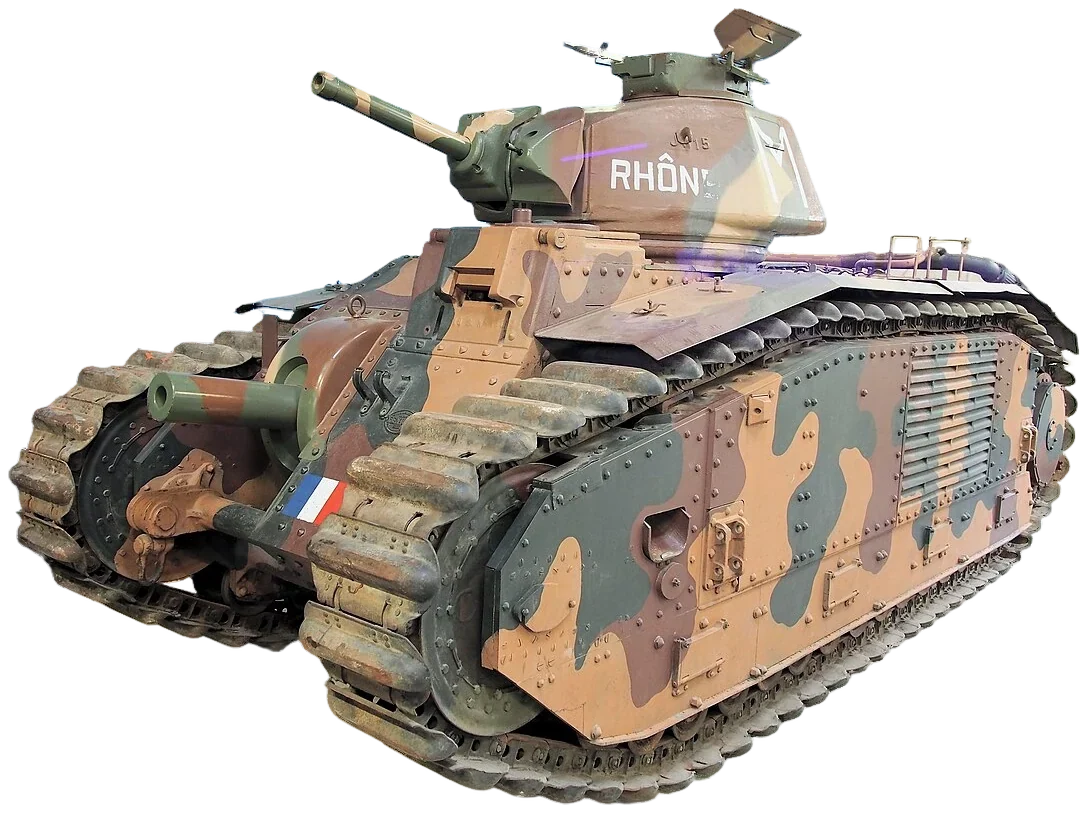 Char B1Panzer IISOMUA S35
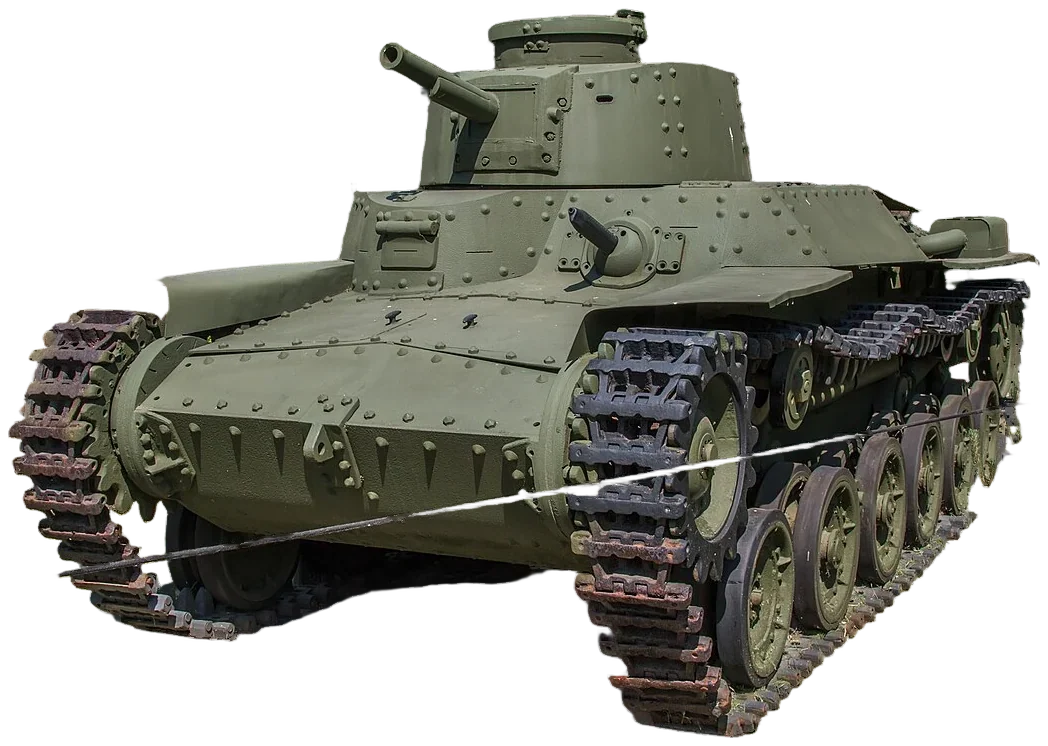 Type 97 Chi-Ha
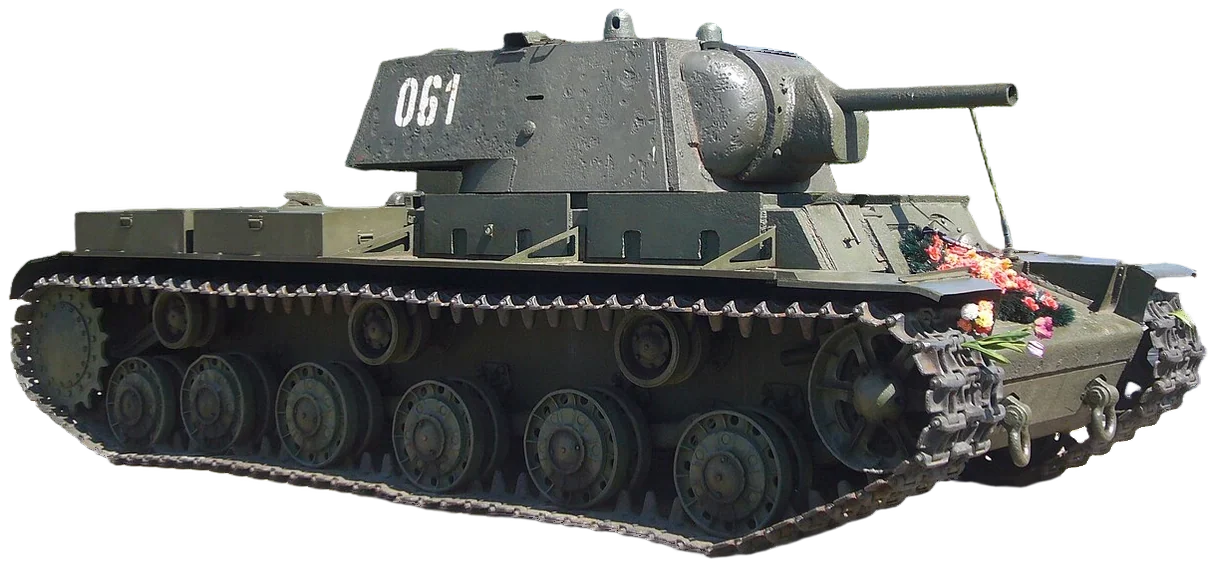 KV-1Matilda II
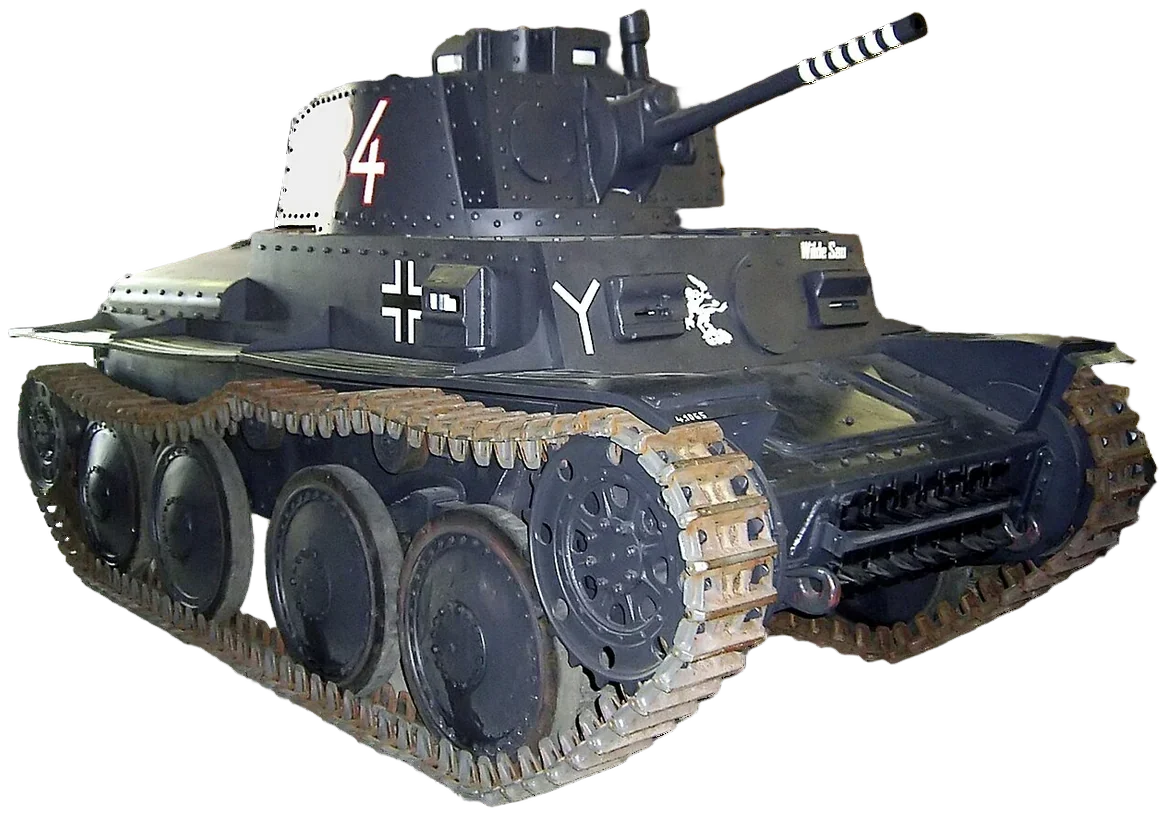 Panzer 38(t)
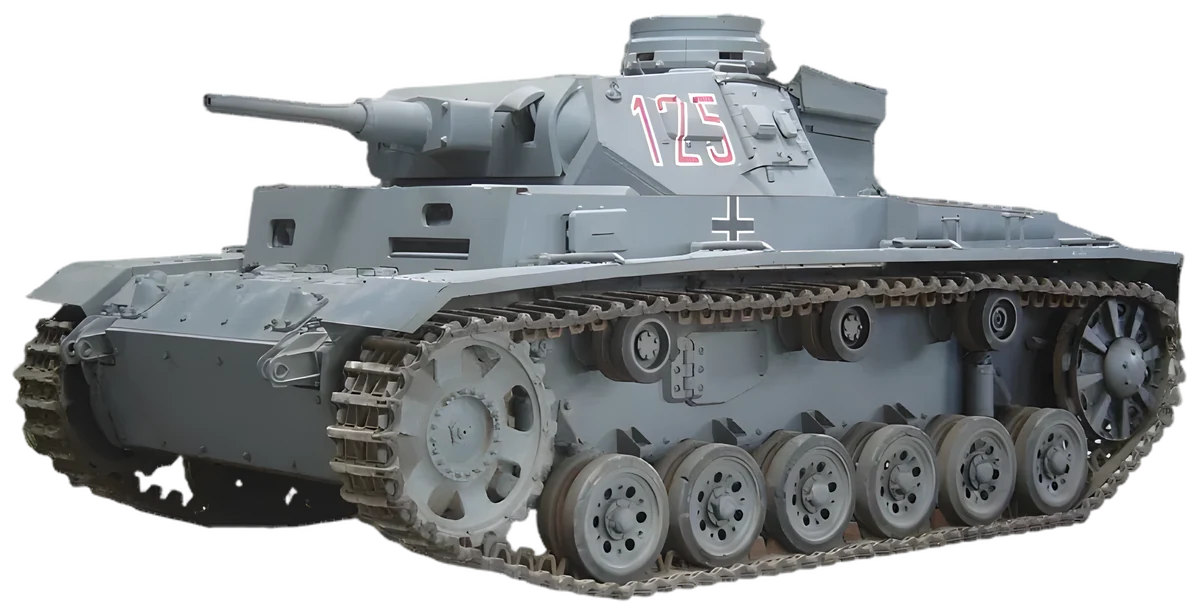 Panzer IIIPanzer IV
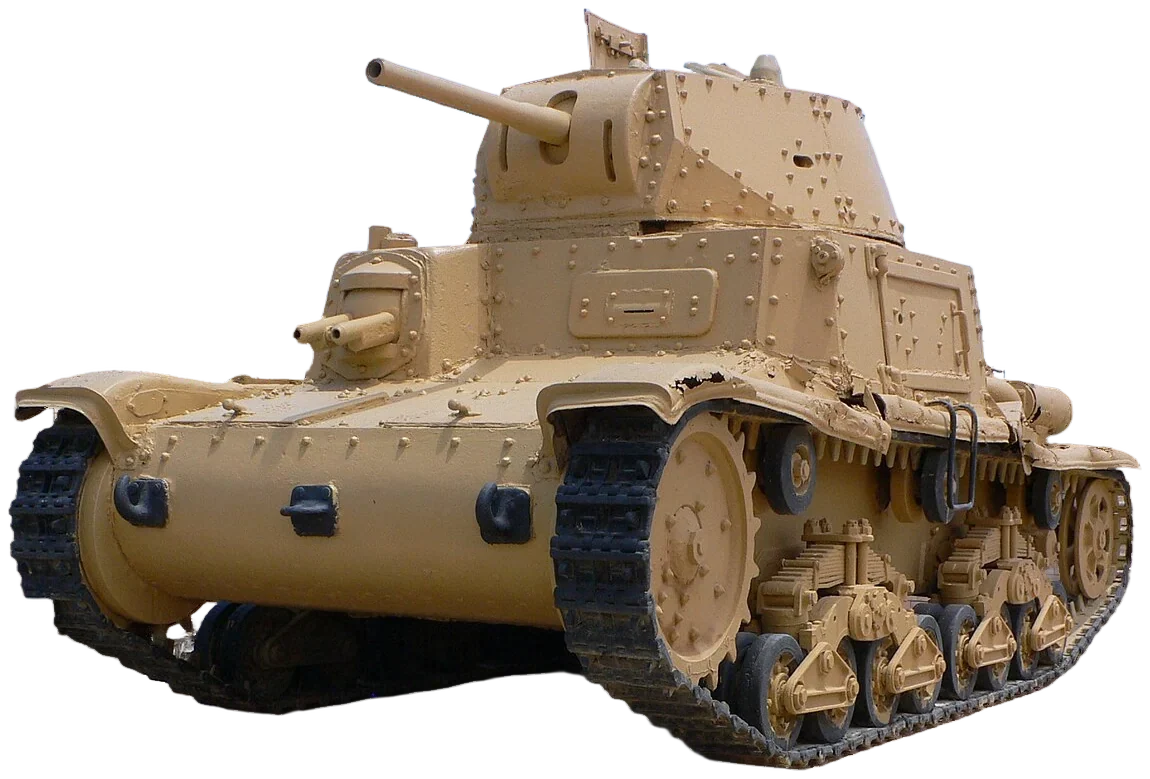 Fiat M13/40
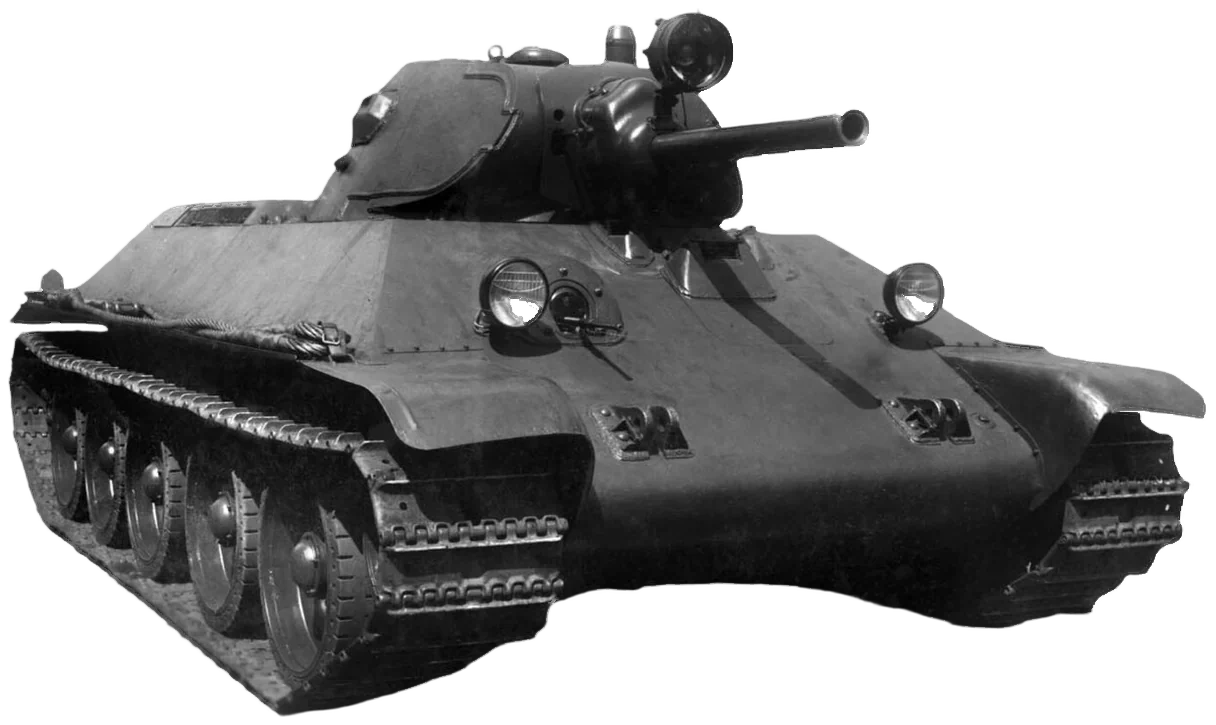 T-34
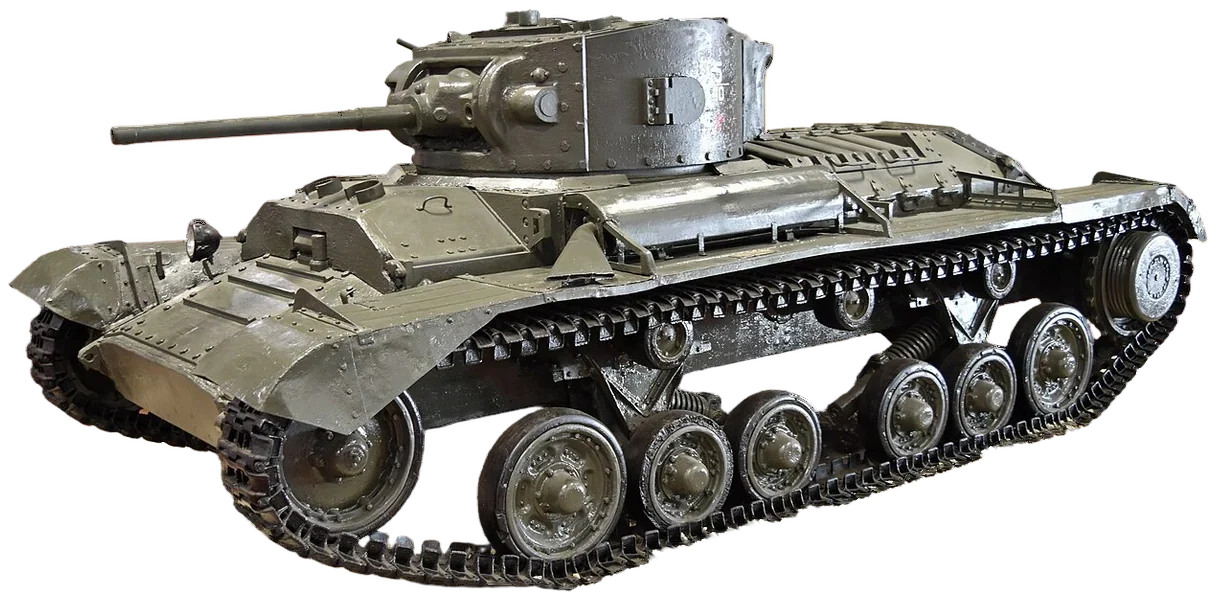 Valentine
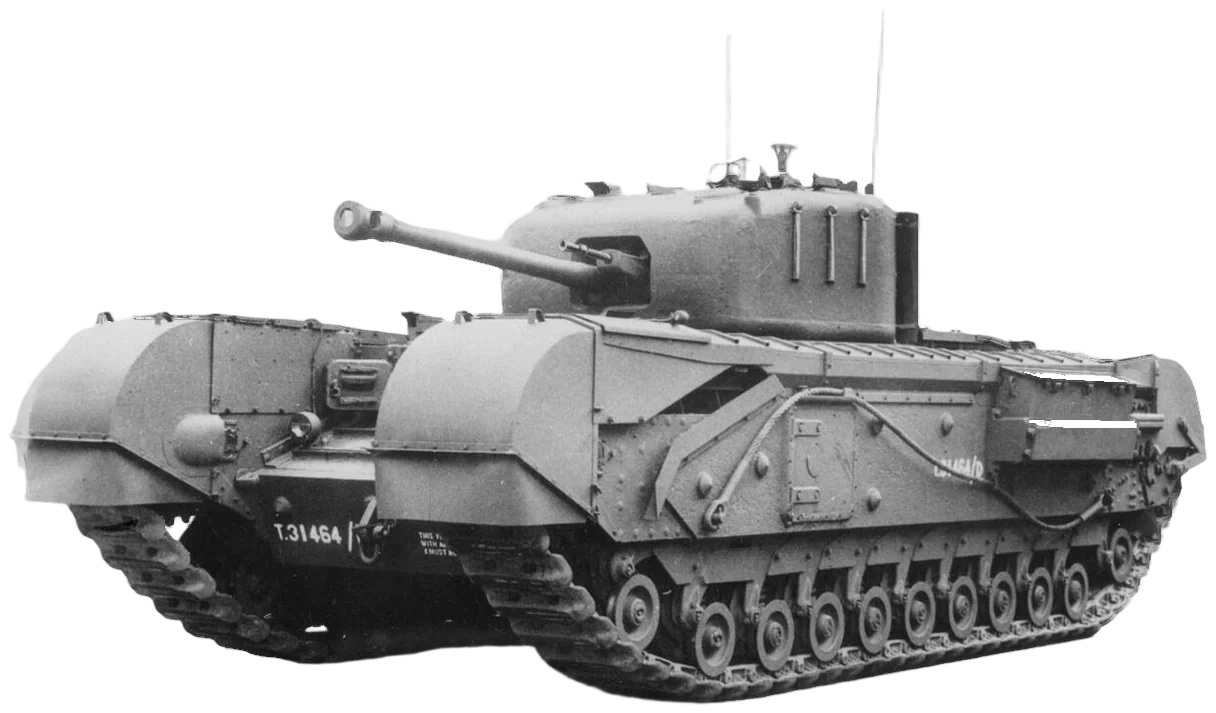 Churchill
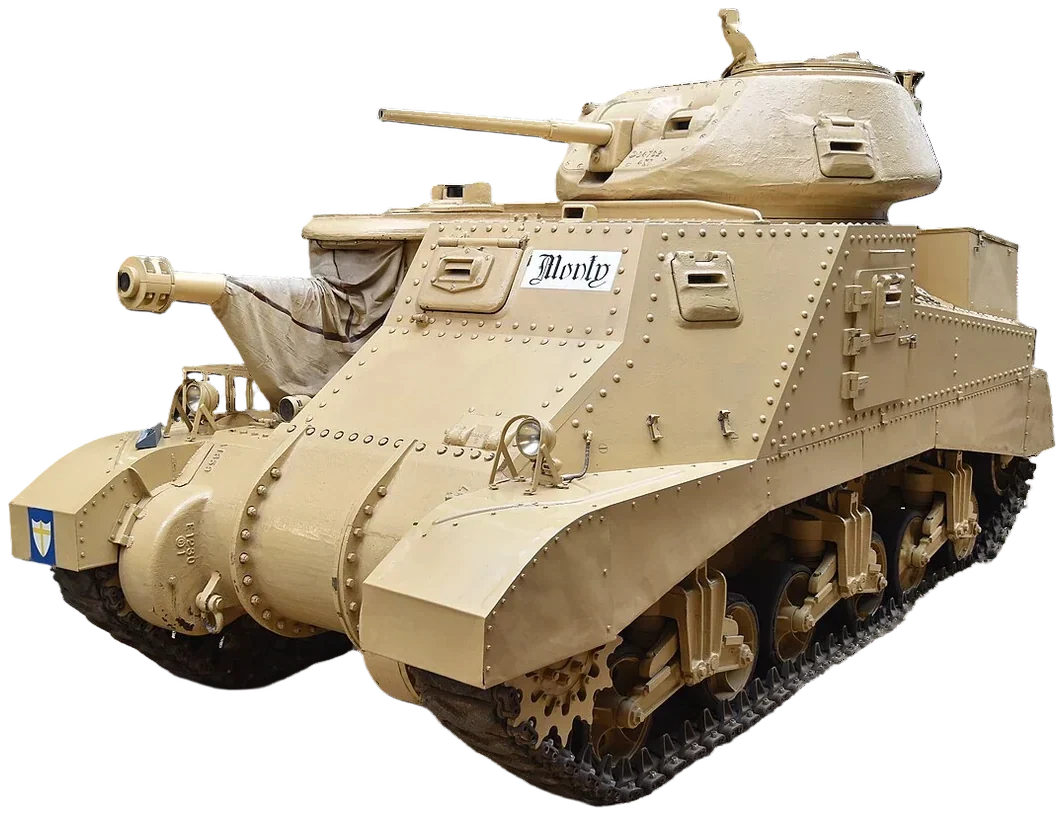 M3 LeeM3 Stuart
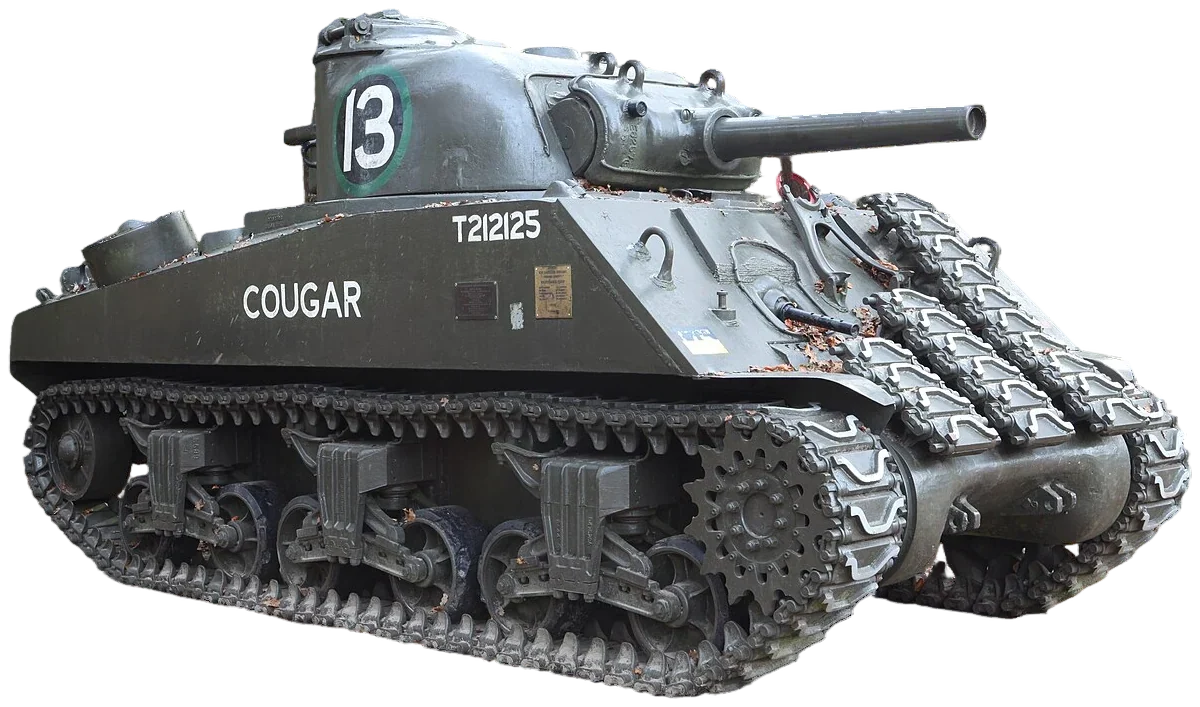 M4 Sherman
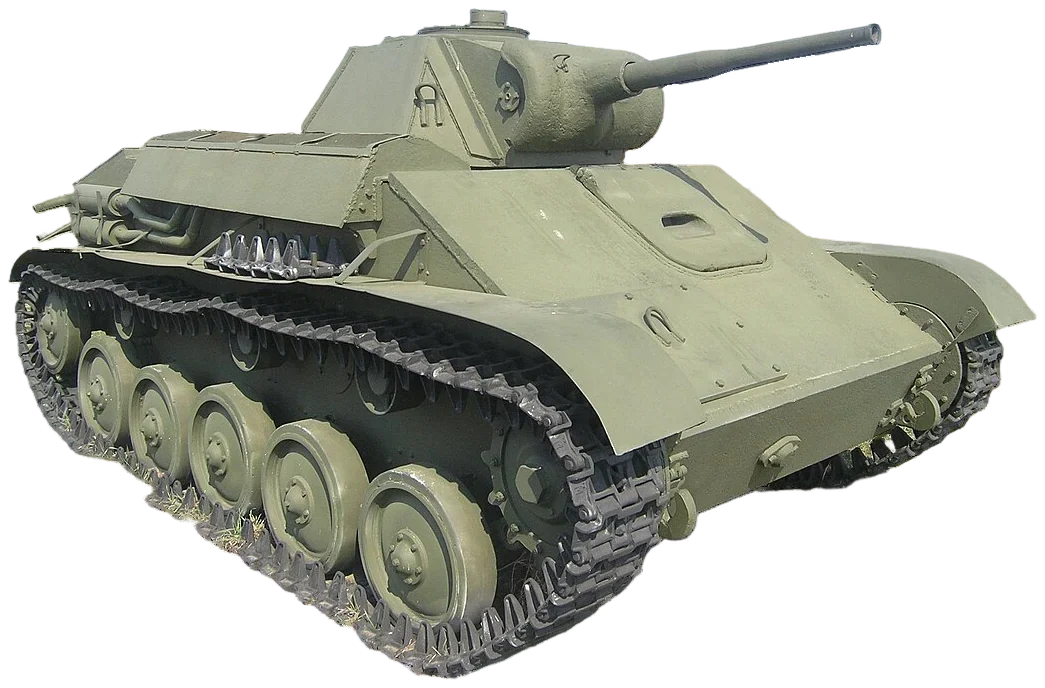 T-70Tiger IPanther
 Comet
 Cromwell
 IS-2M24 Chaffee
 M26 PershingT-44Tiger II
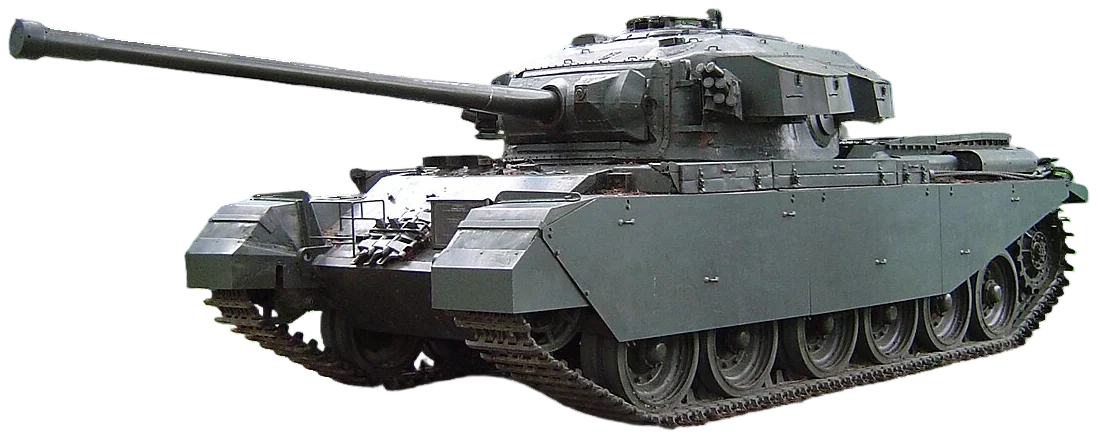 Centurion
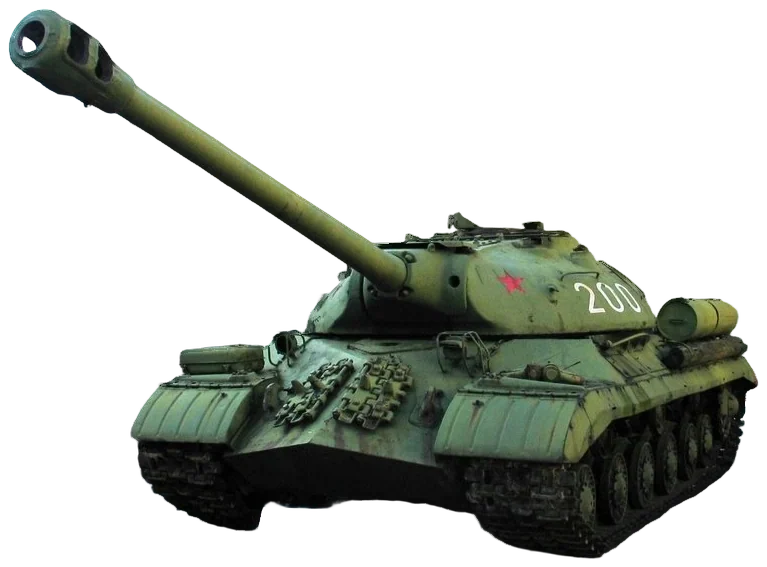 IS-3
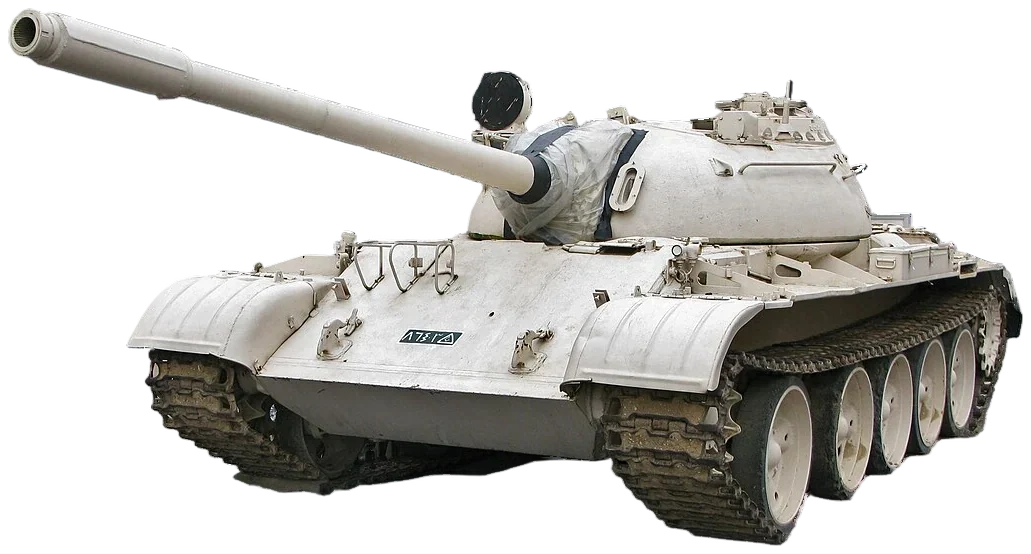 T-54/T-55
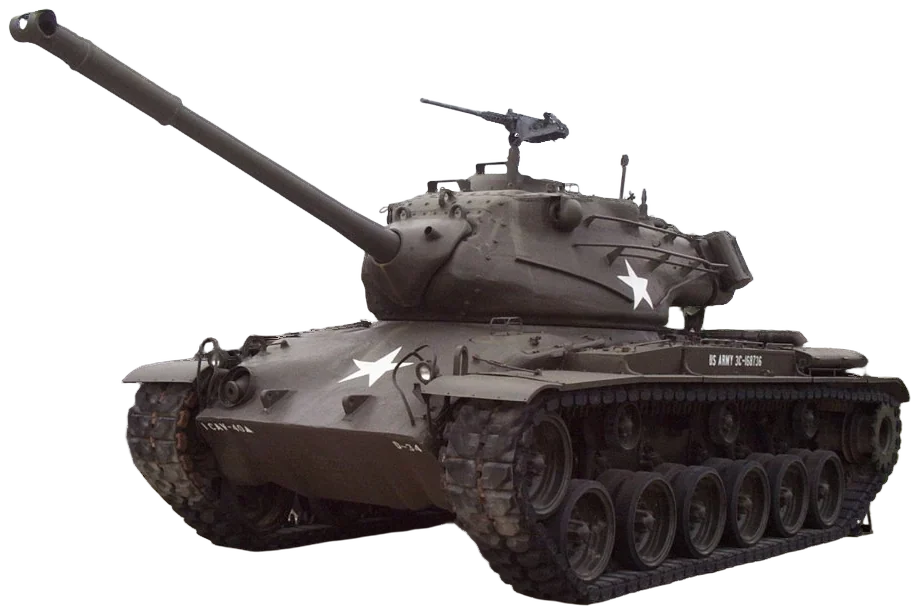 M47 Patton
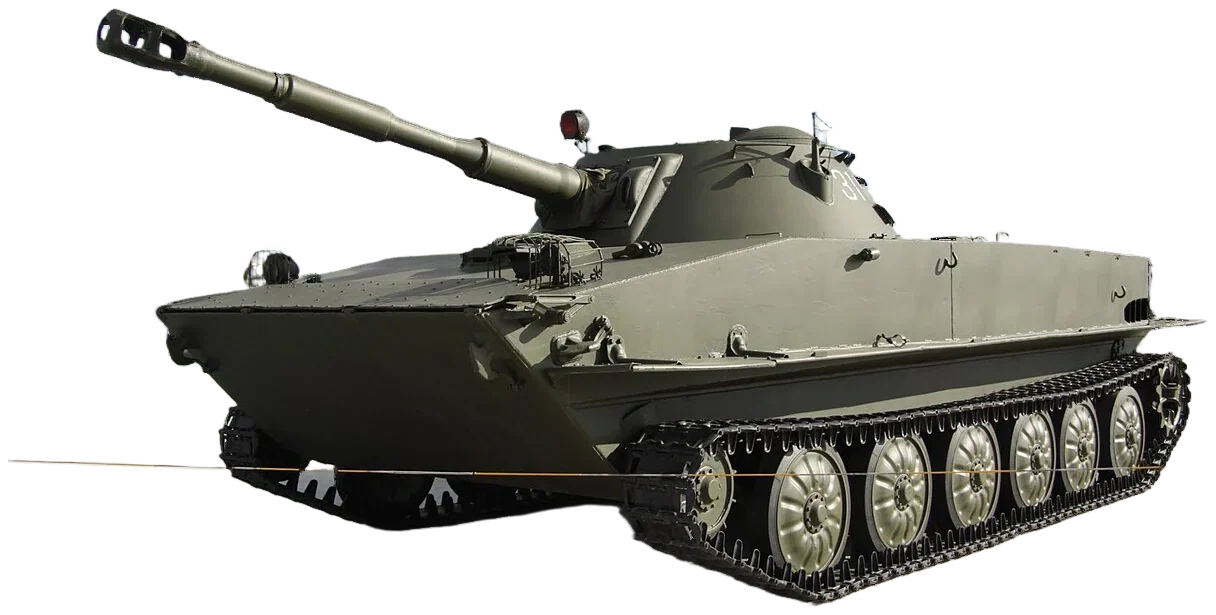 PT-76AMX-13
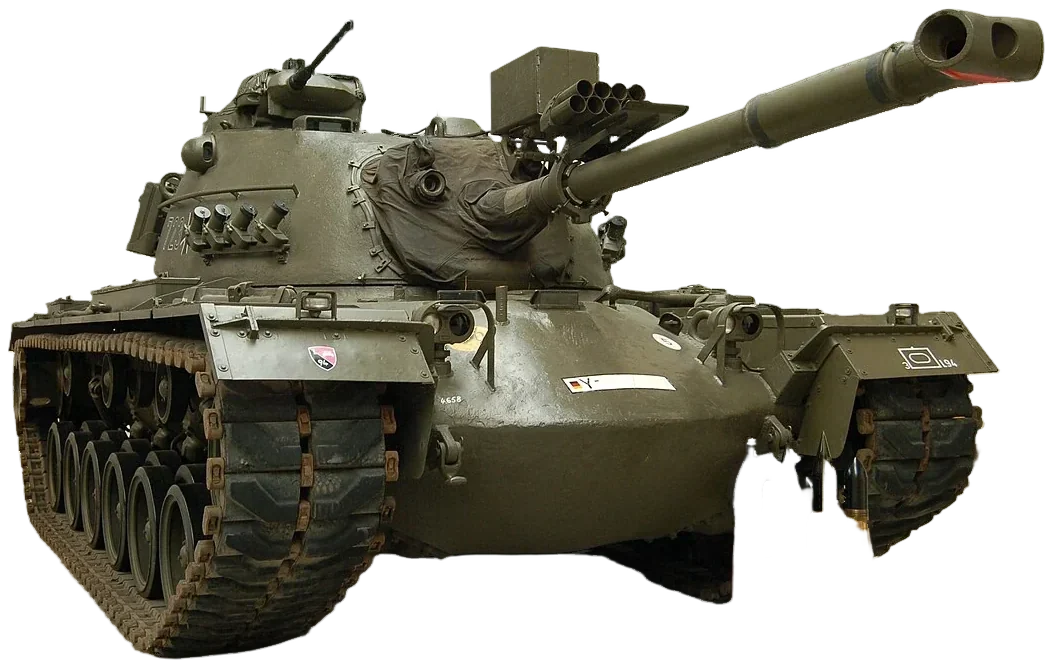 M48 Patton
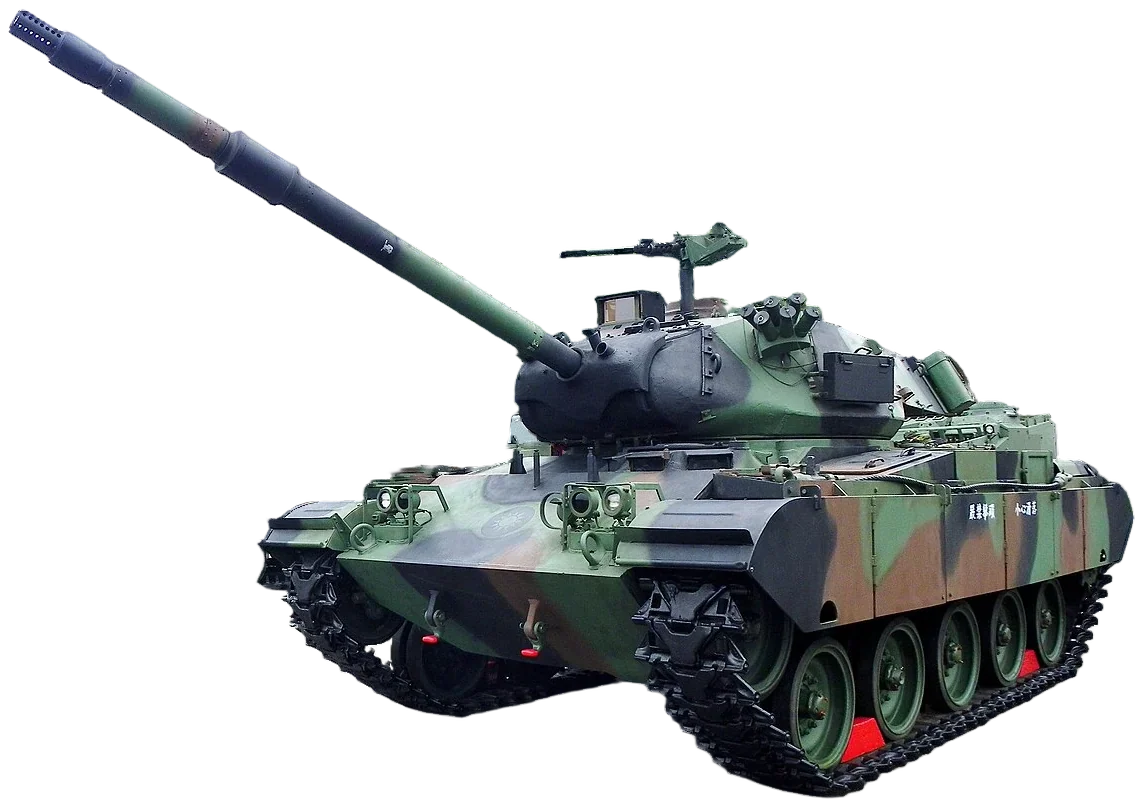 M41 Walker BulldogT-10M103
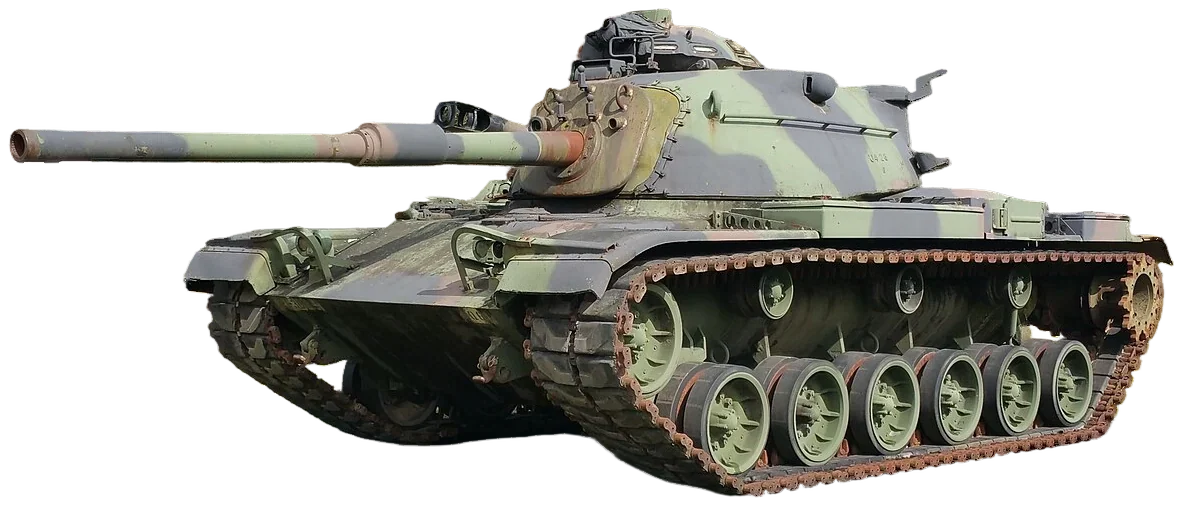 M60 Patton
 Sho'tType 59
 Chieftain
 T-62
 Leopard 1
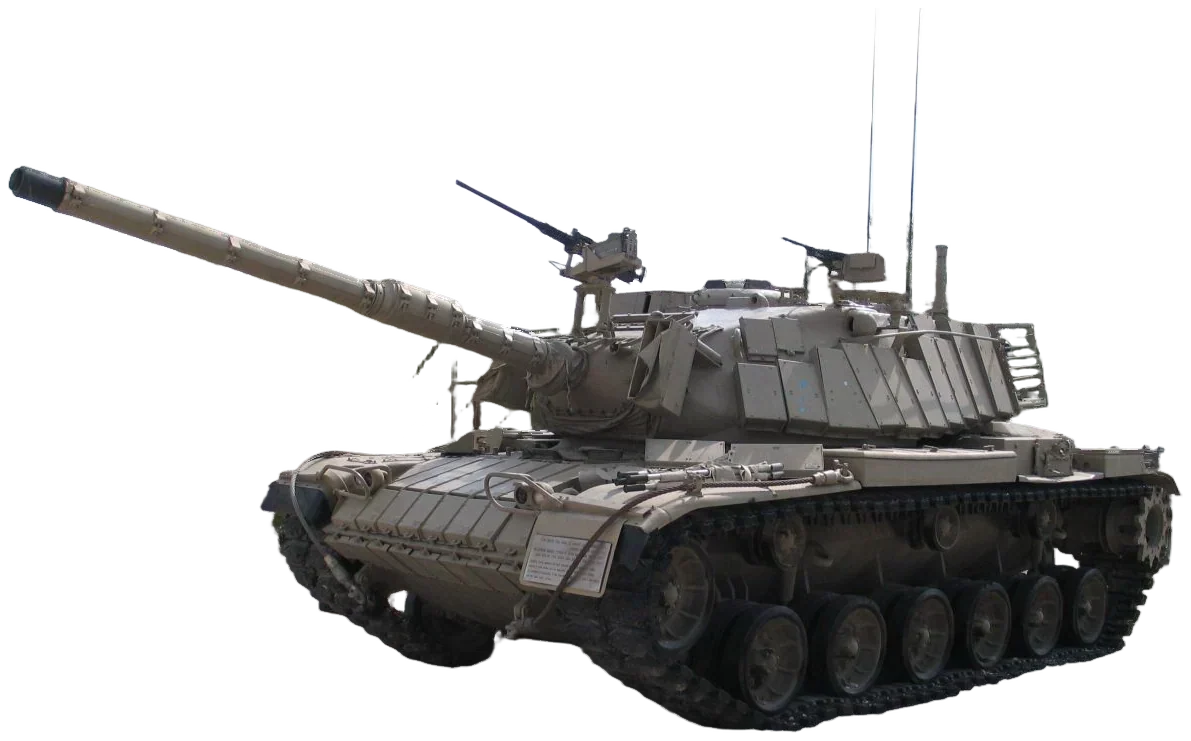 Magach
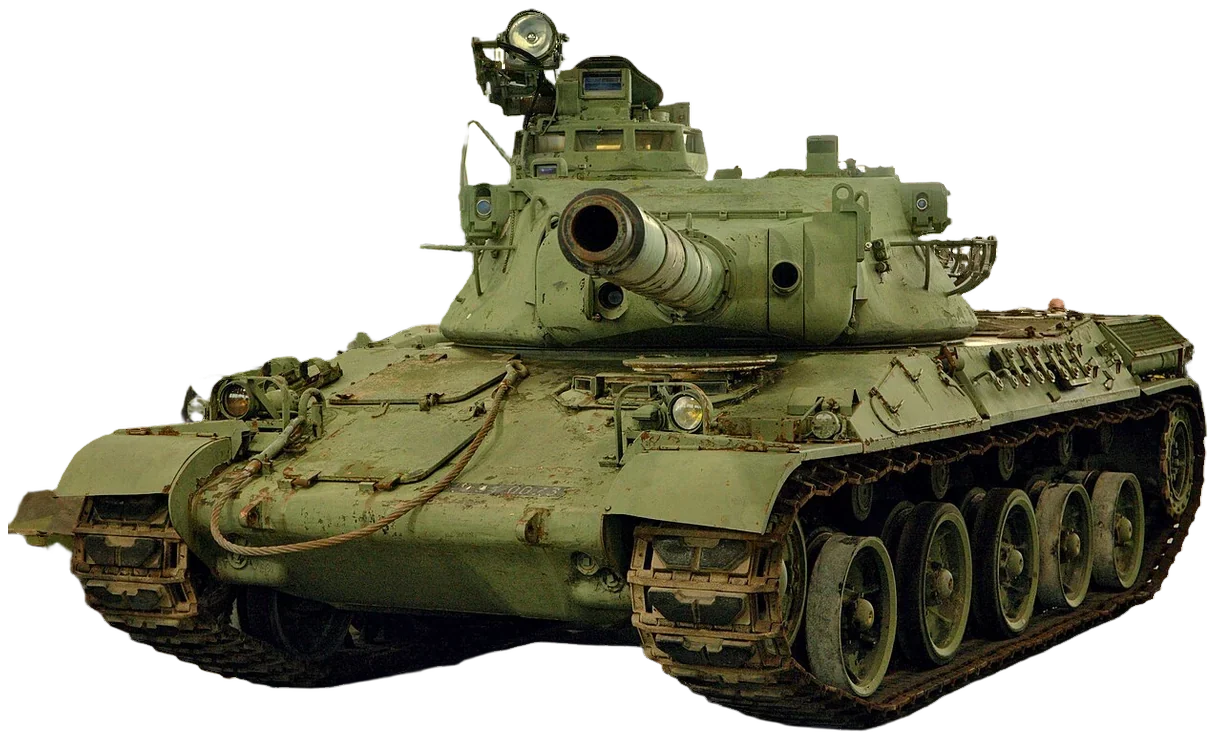 AMX-30T-64
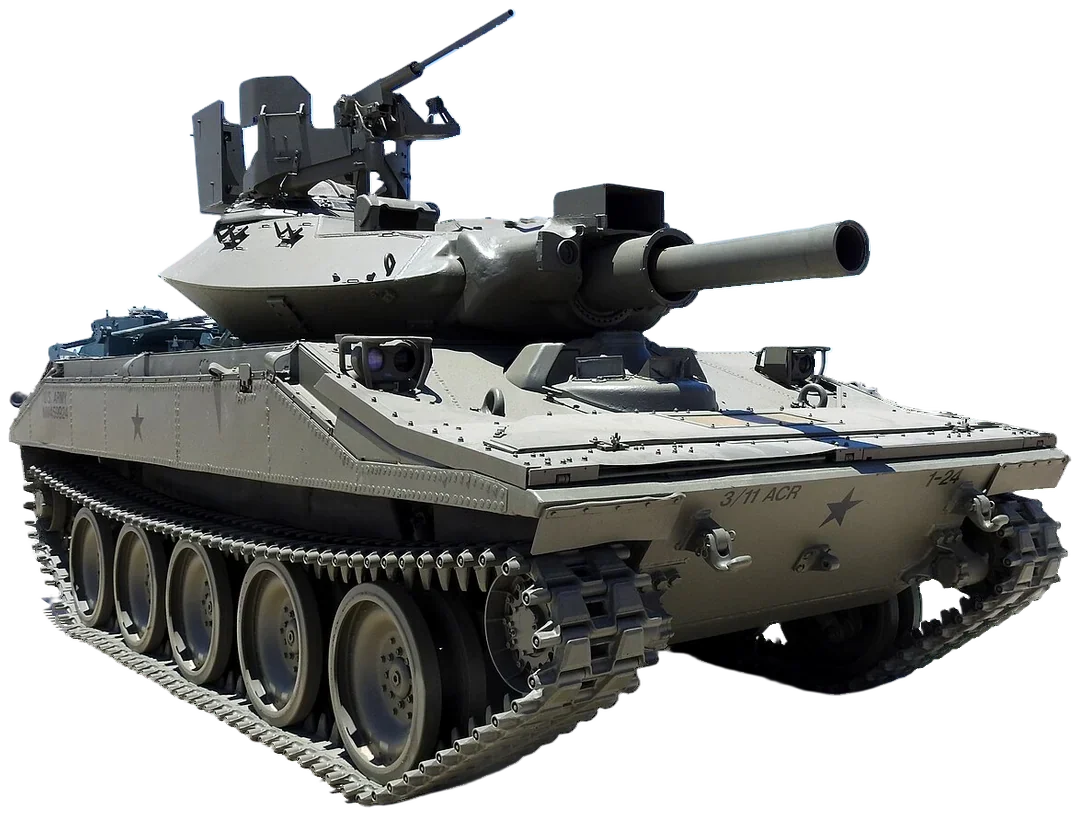 M551 Sheridan
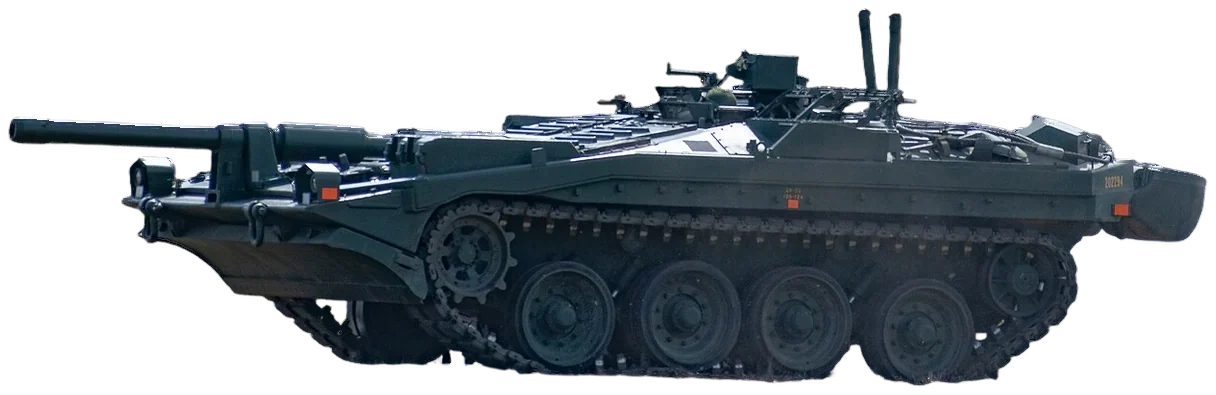 Stridsvagn 103T-72
 Type 69
 FV101 ScorpionType 74OlifantT-80
 Leopard 2
 MerkavaM1 Abrams
 Challenger 1
 TAM
 M-84K1
 Leclerc
 T-90Type 90C1 Ariete
 PT-91 TwardyType 96Zulfiqar
 Challenger 2T-84Al-KhalidType 99
 2S25 Sprut-SDM60T Sabra
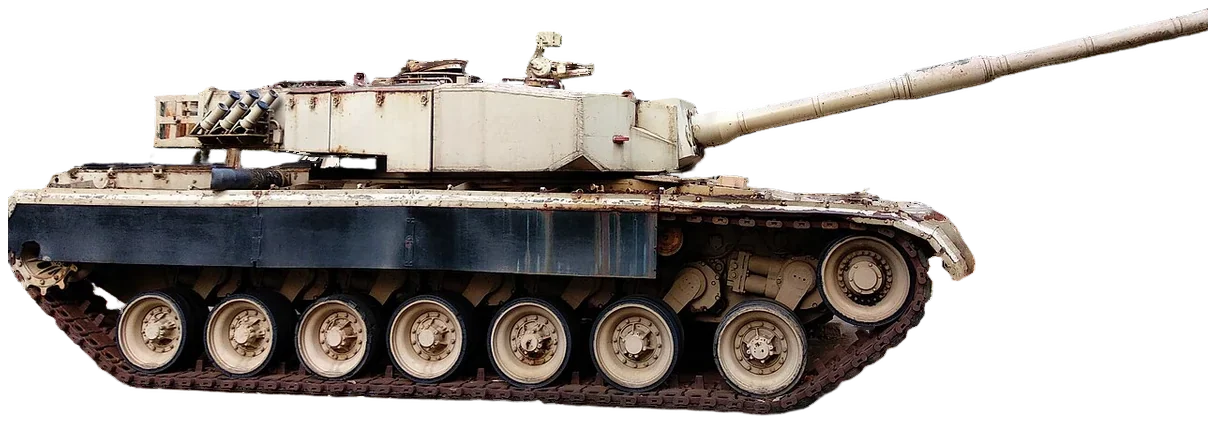 ArjunType 10K2 Black PantherType 15Karrar
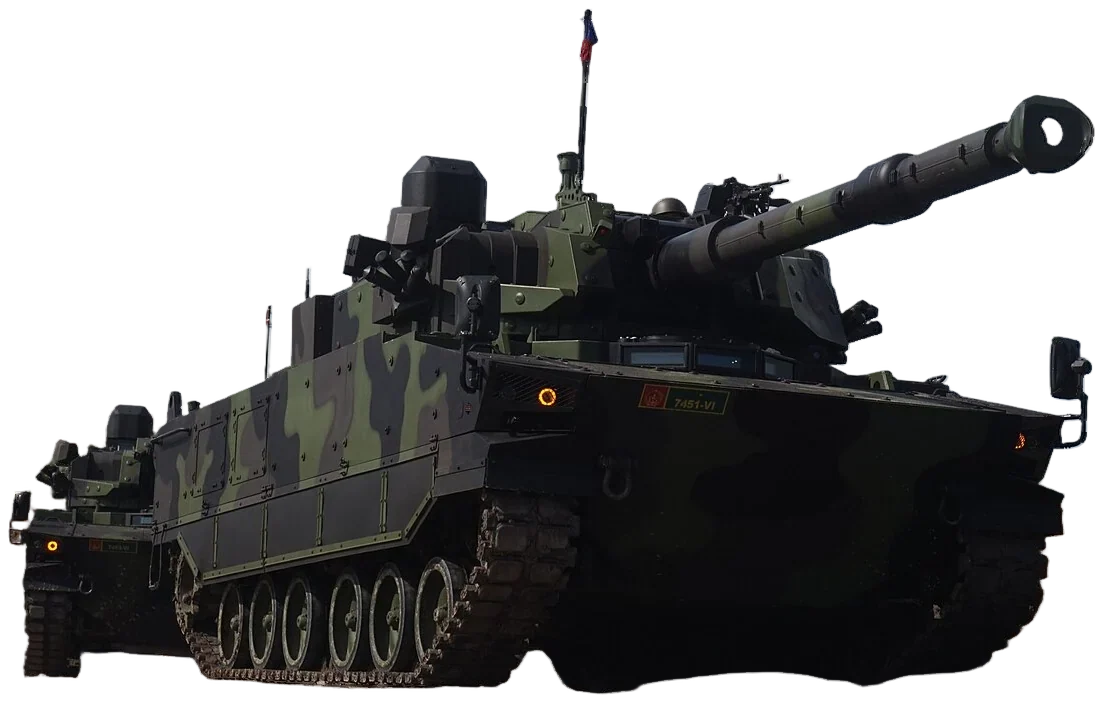 Kaplan MTT-14 Armata
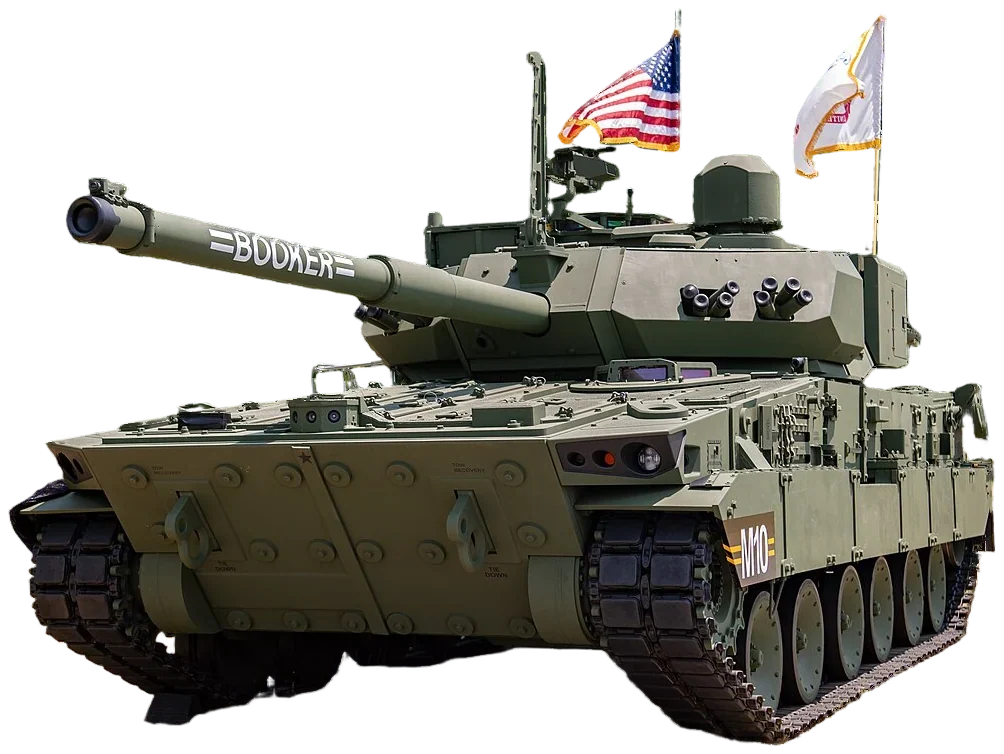 M10 Booker
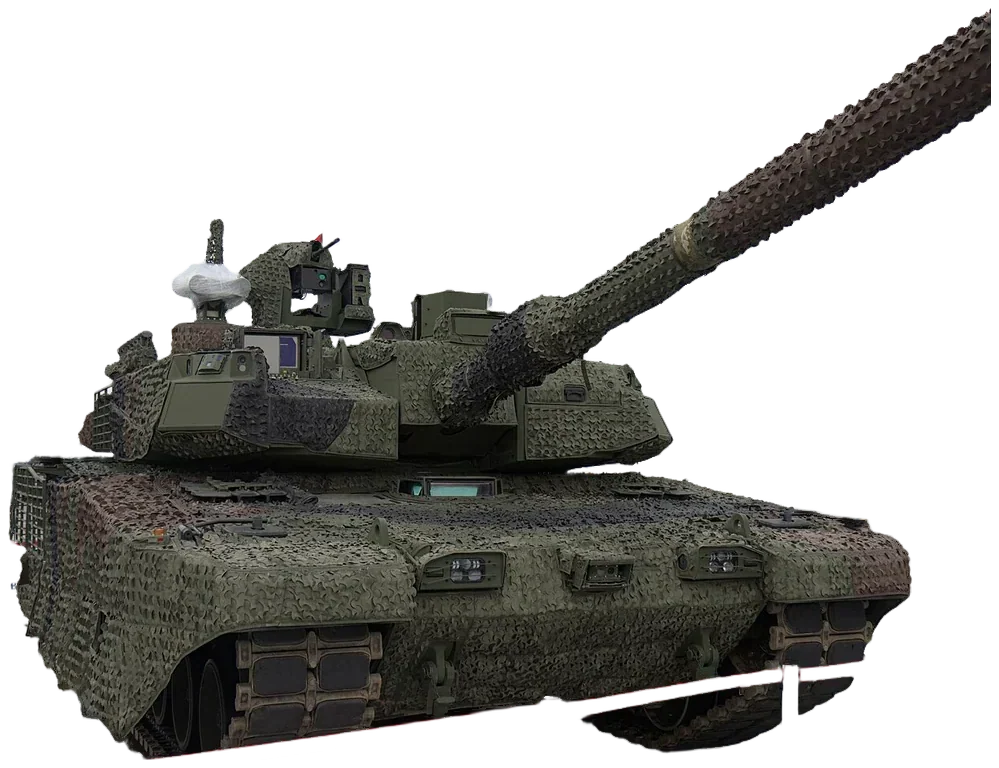 Altay
Overview
Panzer I is a tank from Germany, made by Henschel, MAN, Krupp and Daimler. It entered service in 1934; it was produced from 1934 to 1943; 1,659 were built. Its main weapon has a calibre of 7.9 mm. It is used or was used by Germany, Bulgaria, Taiwan, Hungary and one other country, and saw combat in World War II and the Spanish Civil War.
Specifications
Armament
- Main armament
- 2 × 7.92 mm MG 13 machine guns
- Caliber
- 7.9 mm
Dimensions and weights
- Weight
- 5 t
- Length
- 4.02 m
- Width
- 2.06 m
- Height
- 1.72 m
Mobility and protection
- Engine
- Ausf.A:Krupp M 305 four-cylinder air-cooled gasoline engine Ausf.B:Maybach NL38 TR
- Power
- 44 kW
- Road speed
- 37 km/h
- Off-road speed
- 25 km/h
- Operational range
- 200 km
- Suspension
- Quarter-elliptical leaf spring suspension.
- Armour
- 7–13 mm
Weapons and ammunition on board
Users & conflicts
Conflicts



 Bulgaria
 Taiwan
 Hungary
 Spain
Sources
- Wikipedia: Panzer I, Wikipedia
Figures from the infobox of the English Wikipedia article, completed from Wikidata and the article in other languages where it gives none; where there are several versions, the first one given. Operators include former ones; the side that used a vehicle in a war is derived from its operators.
 EN
 Русский
 Türkçe
 Français
 العربية