
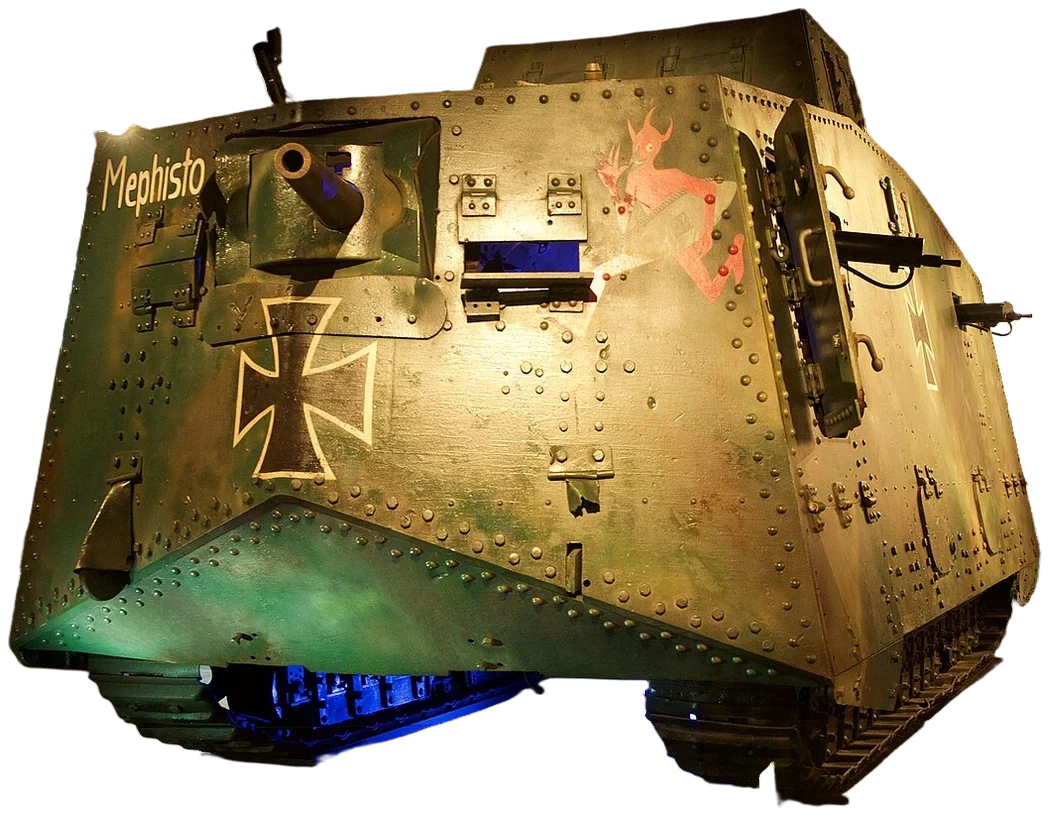
Key specs
- Type
- Tank
- Origin
 Germany
- Manufacturer
- Daimler Motoren Gesellschaft
- Designer
- Joseph Vollmer
- Designed
- 1916
- Entered service
- 1918
- Produced
- 1917–1918
- Units produced
- 20
- Status
- Retired
- Crew
- 18
Tank
3 / 91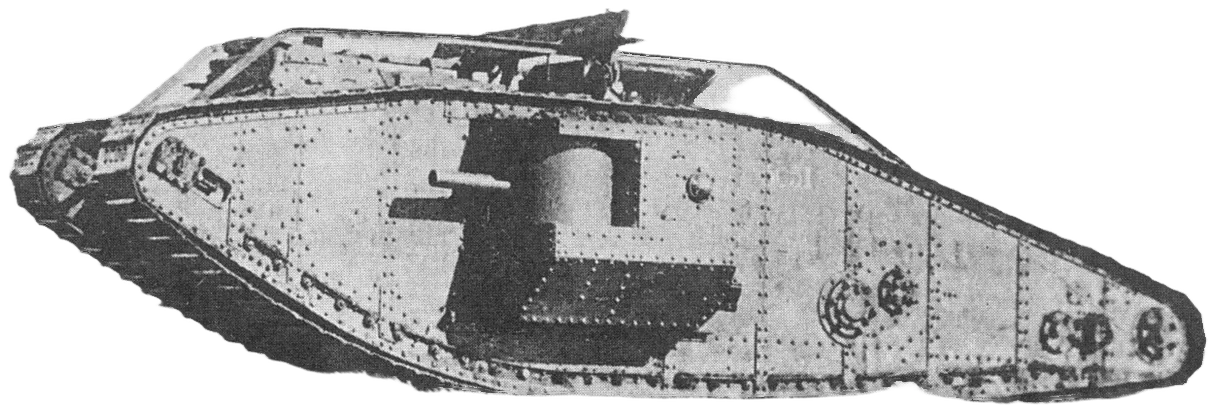 Mark I tank
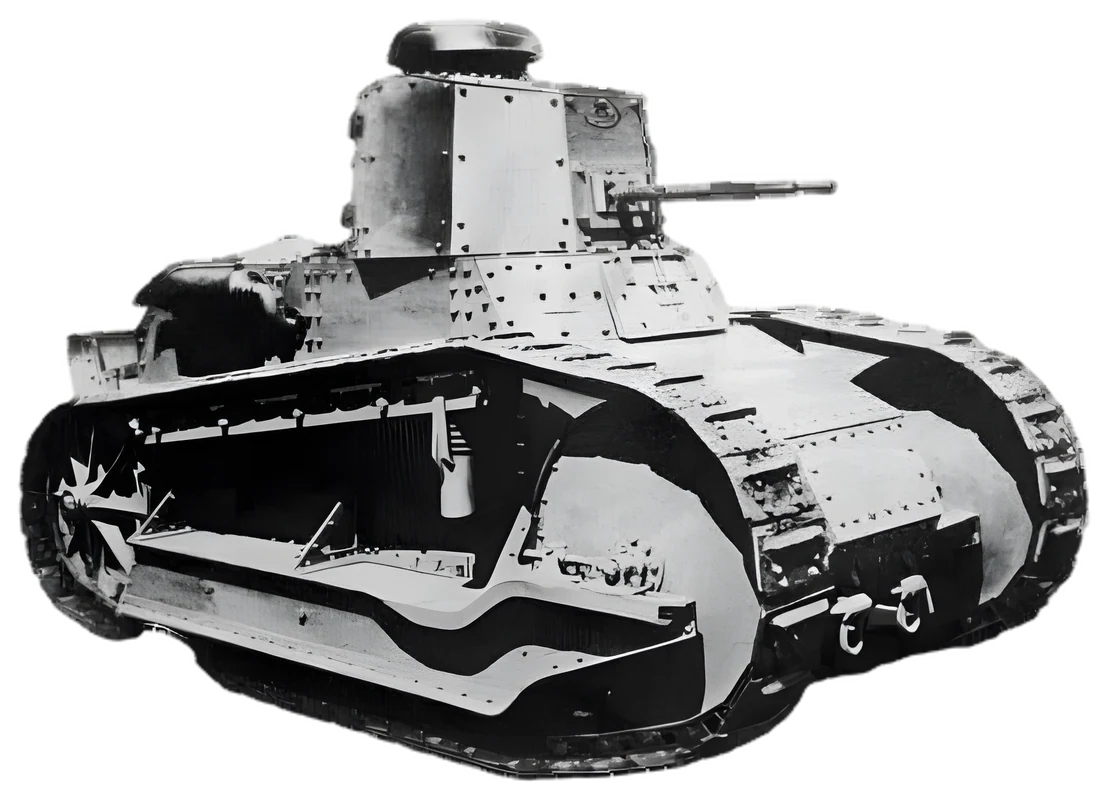 Renault FTA7V
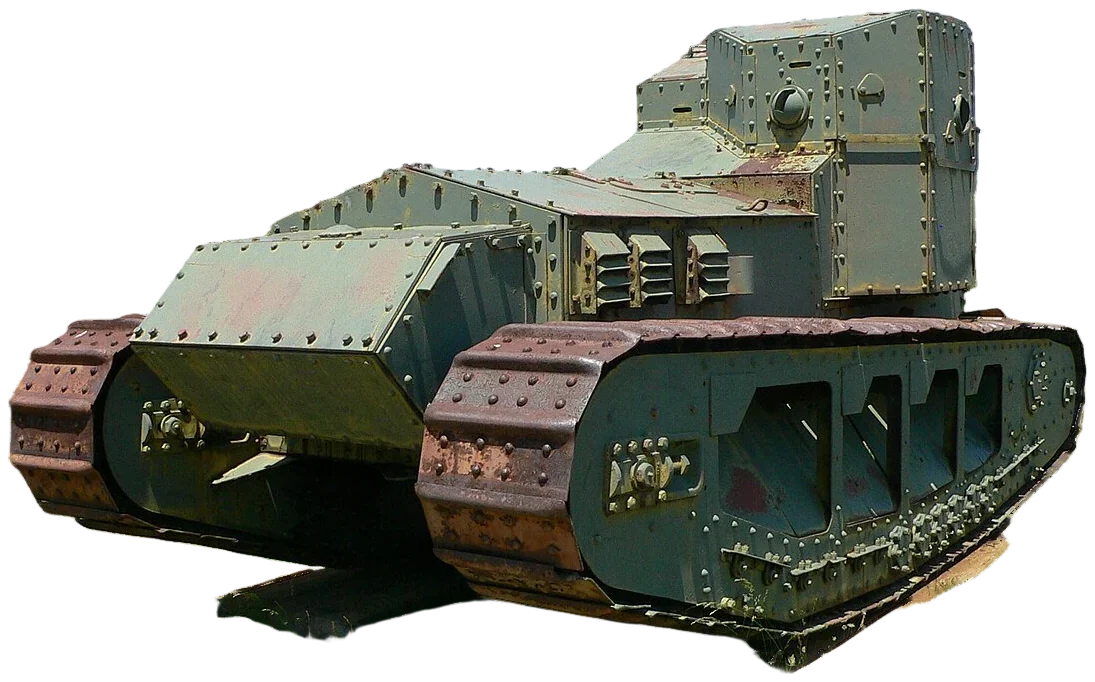 Whippet
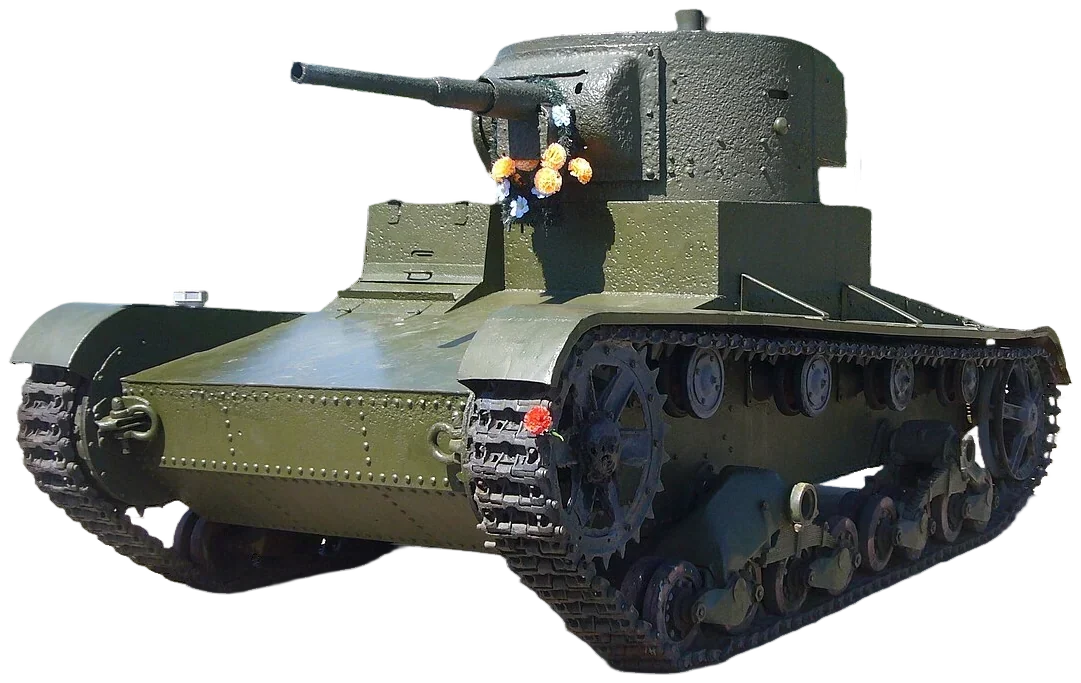 T-26
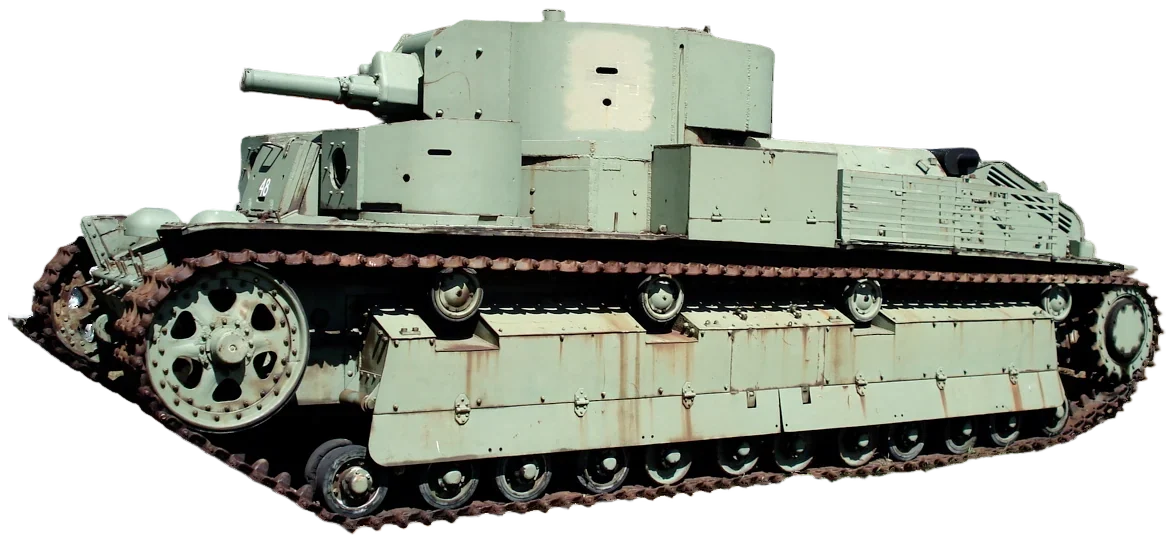 T-28Panzer I
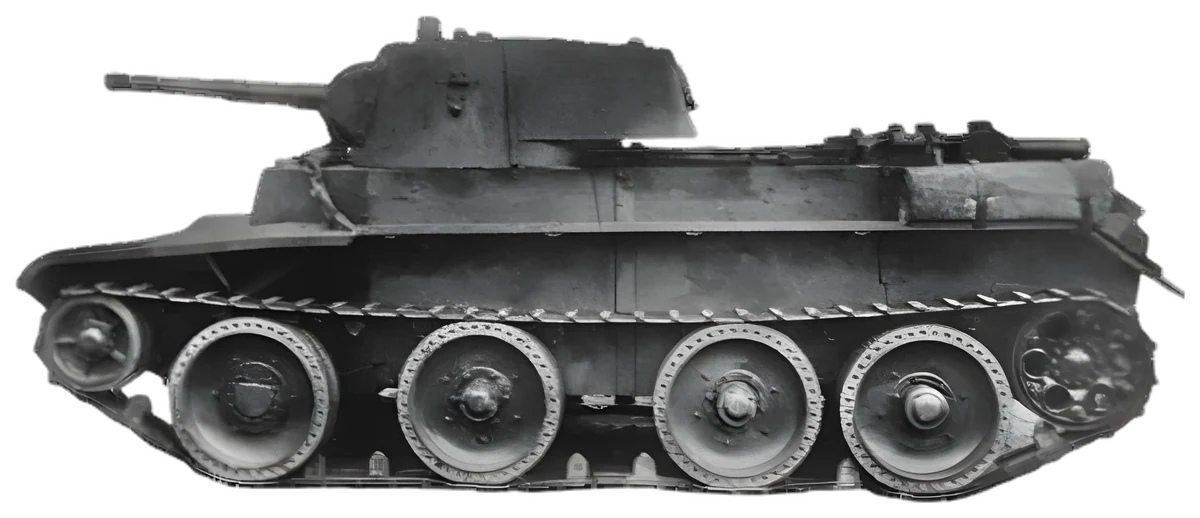 BT-7
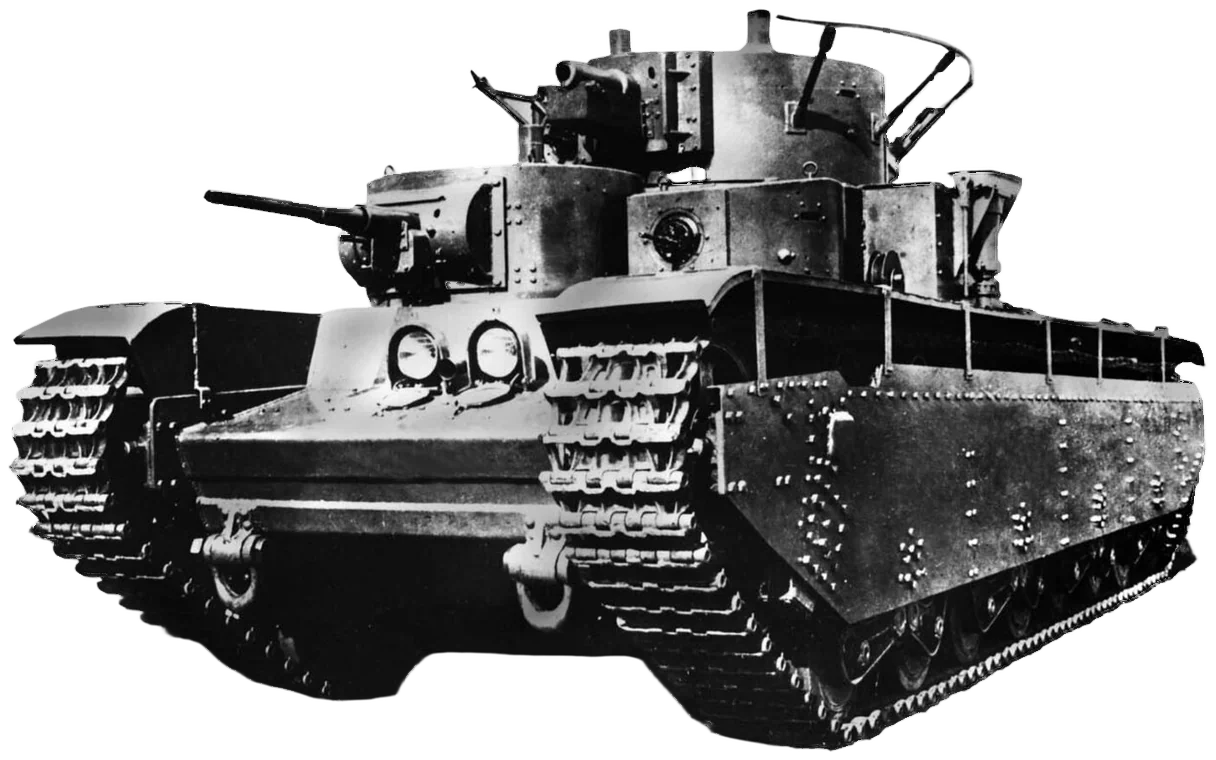 T-35
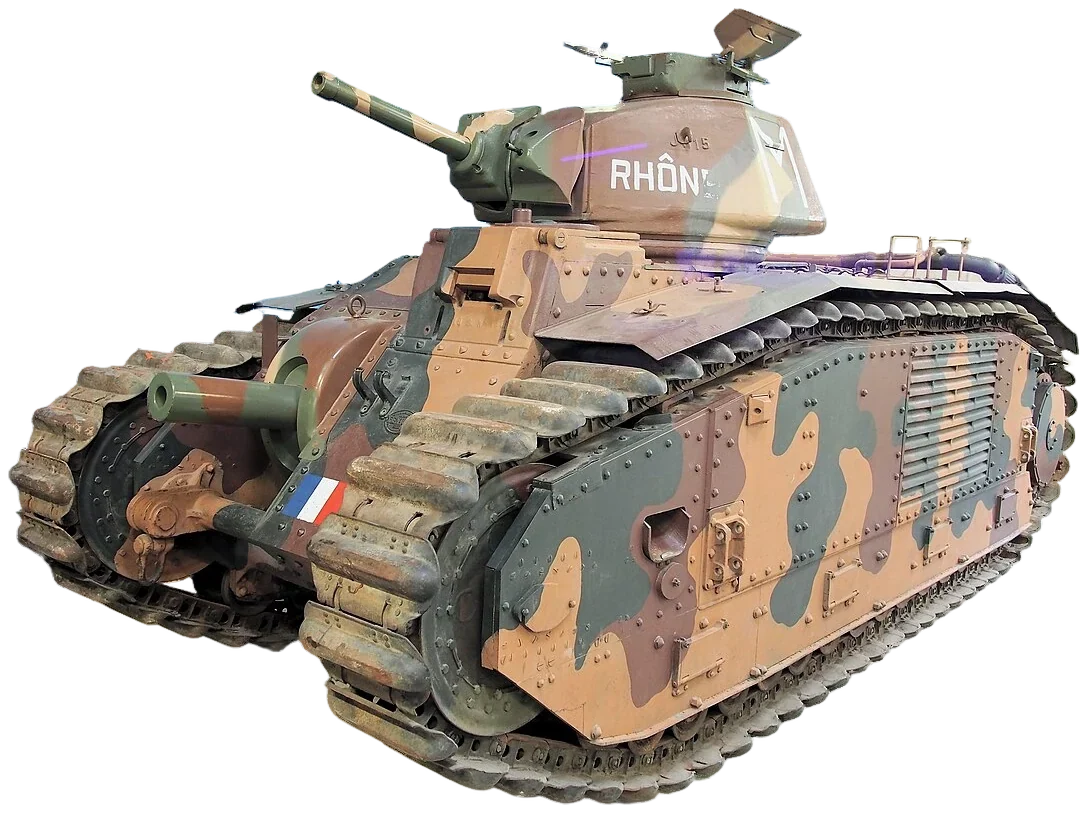 Char B1Panzer IISOMUA S35
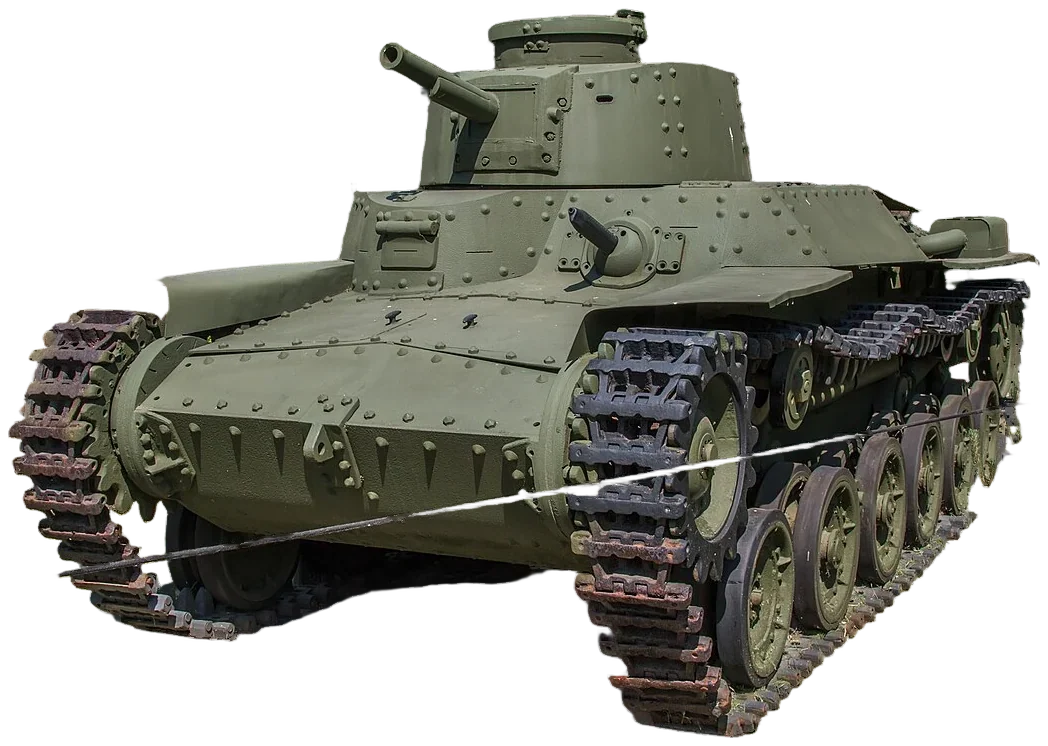 Type 97 Chi-Ha
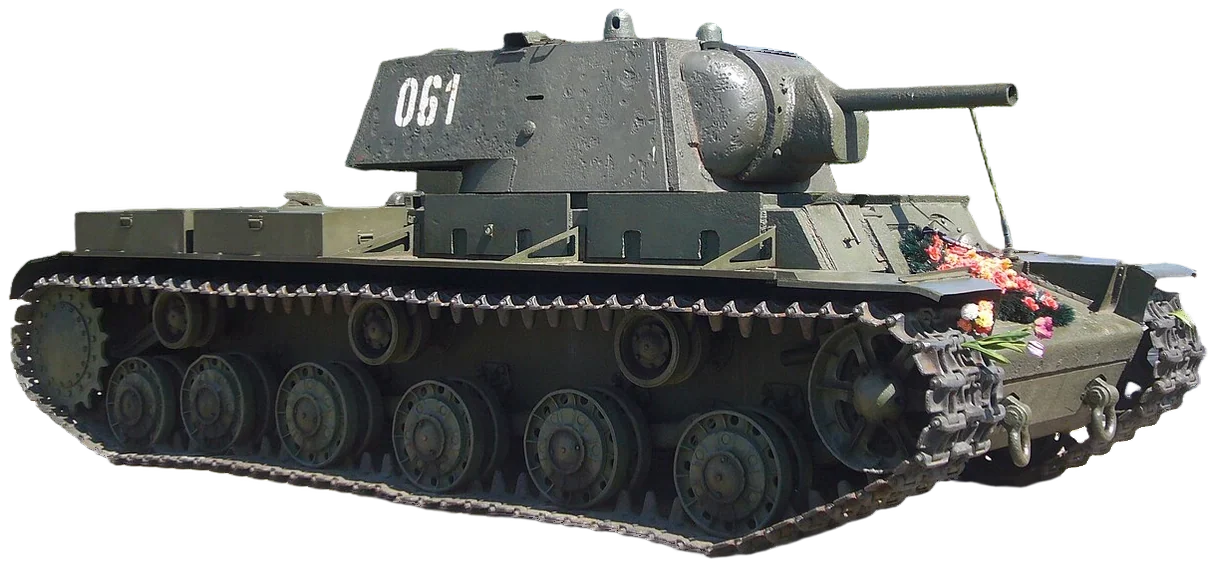 KV-1Matilda II
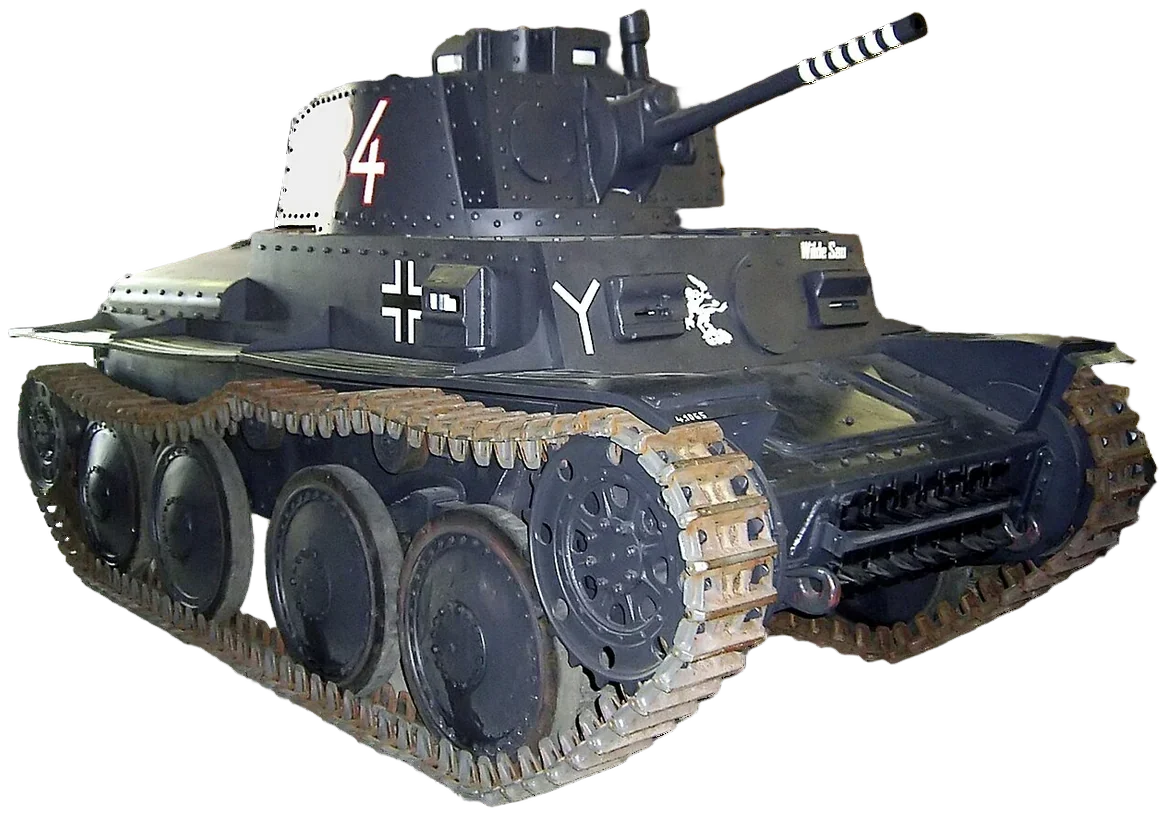 Panzer 38(t)
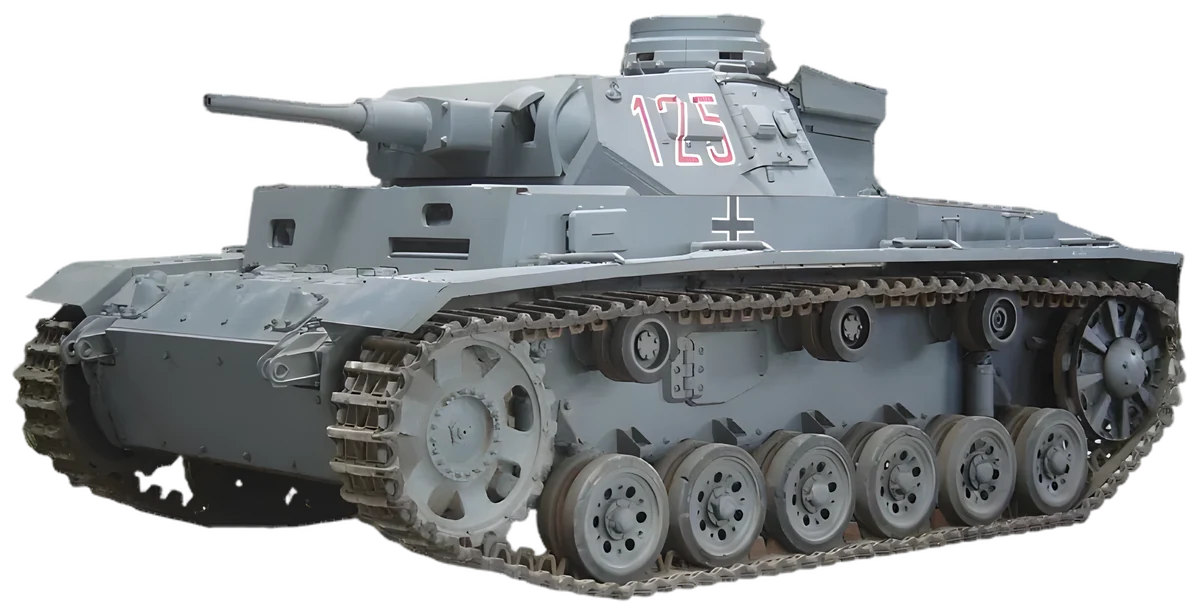 Panzer IIIPanzer IV
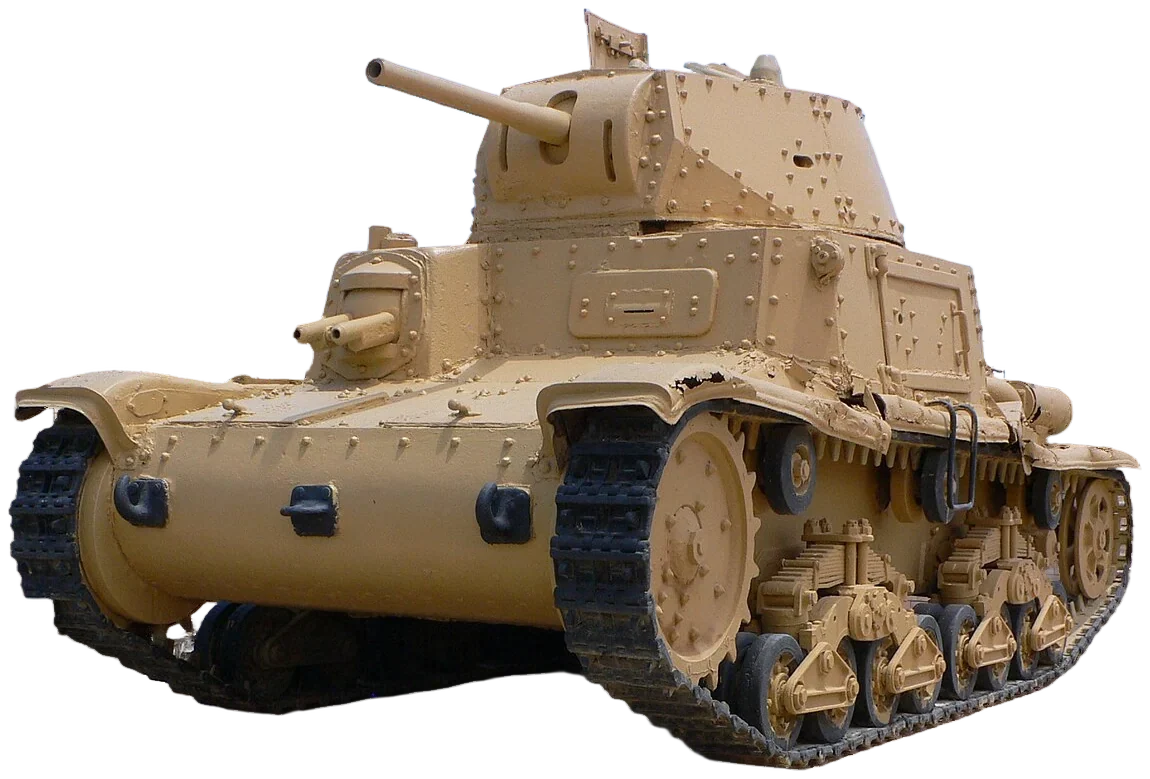 Fiat M13/40
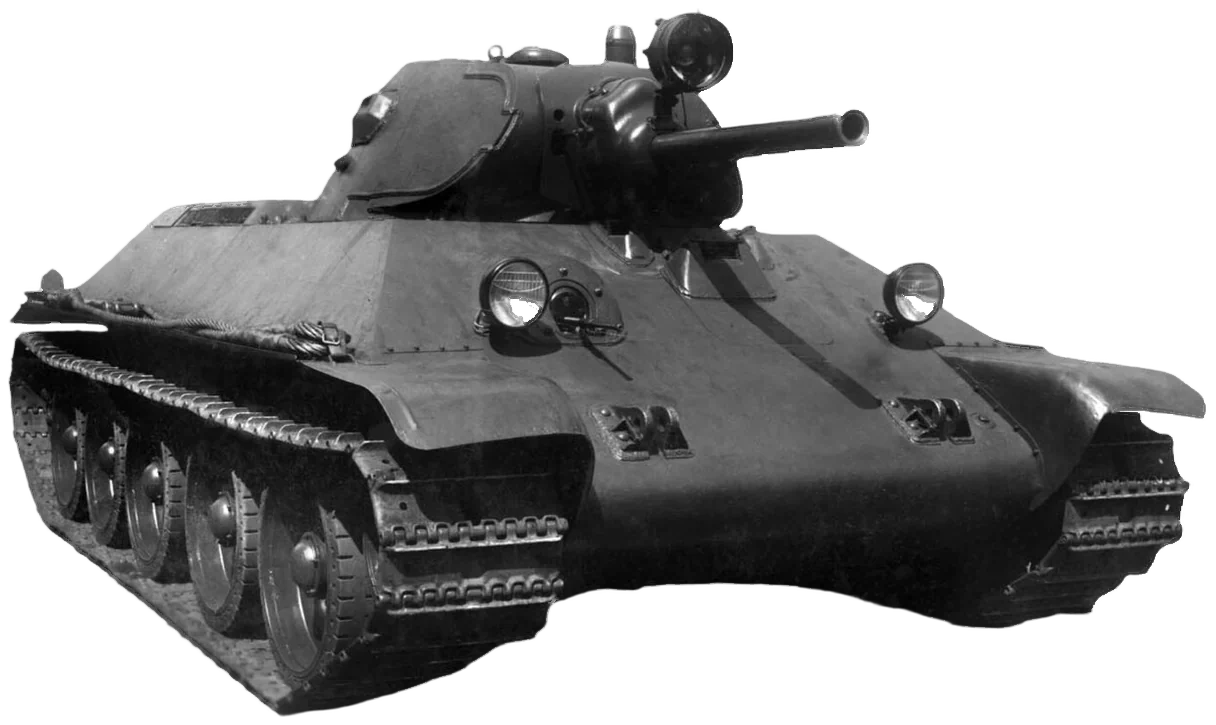 T-34
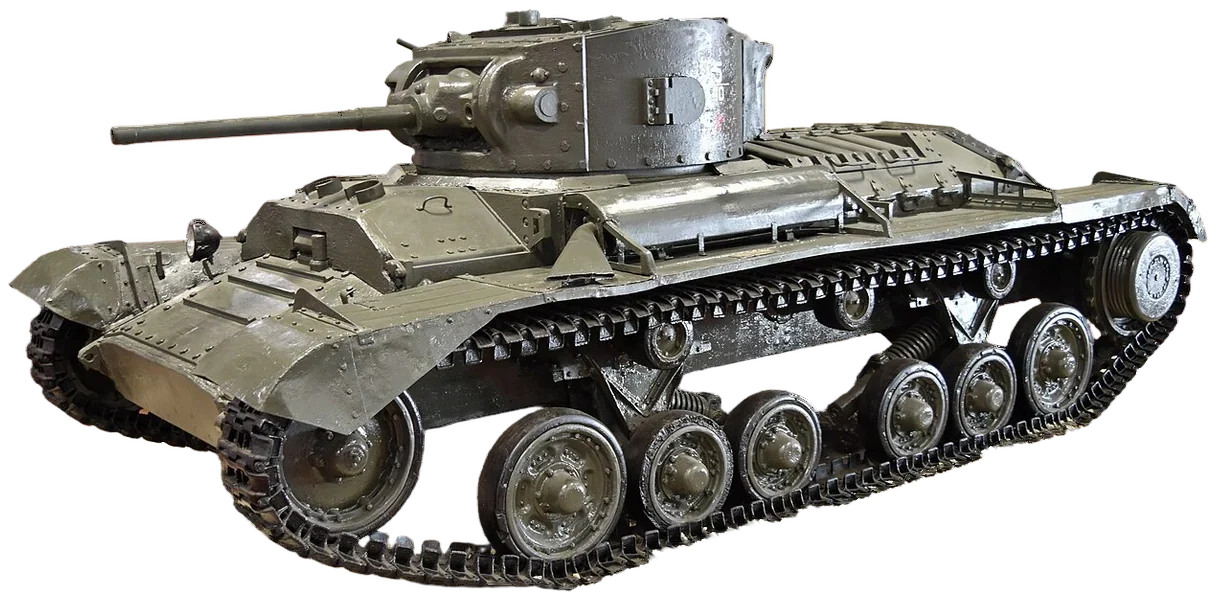 Valentine
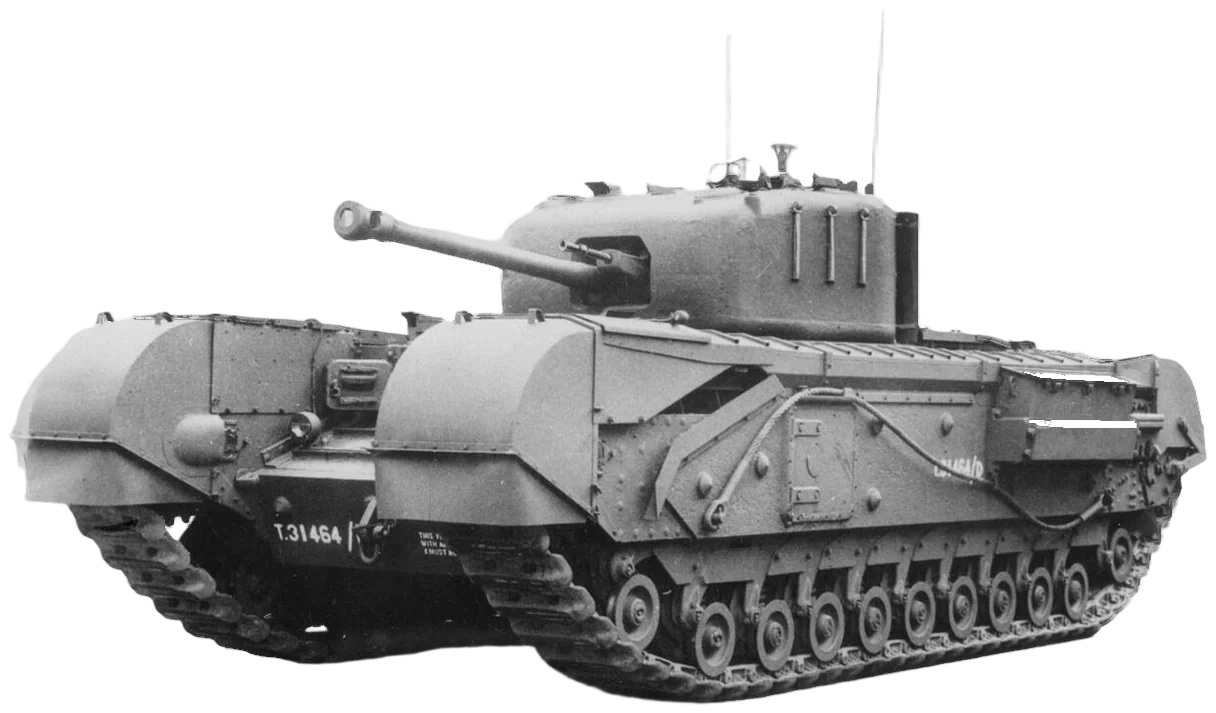 Churchill
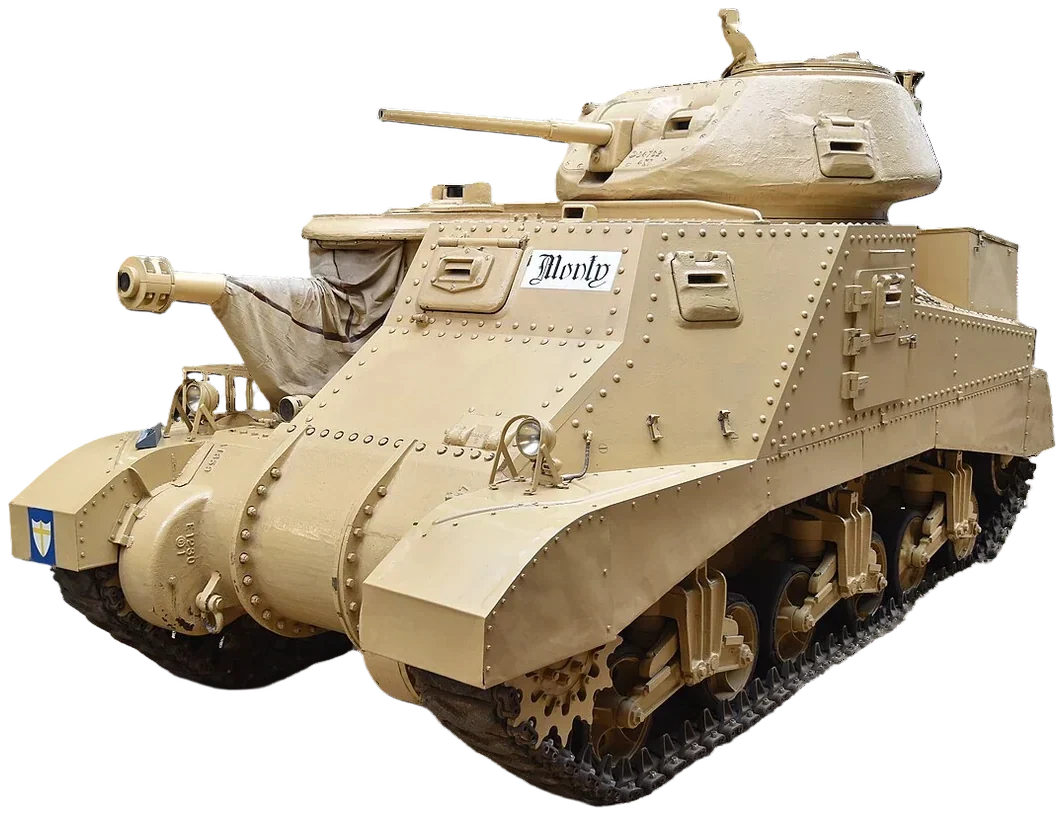 M3 LeeM3 Stuart
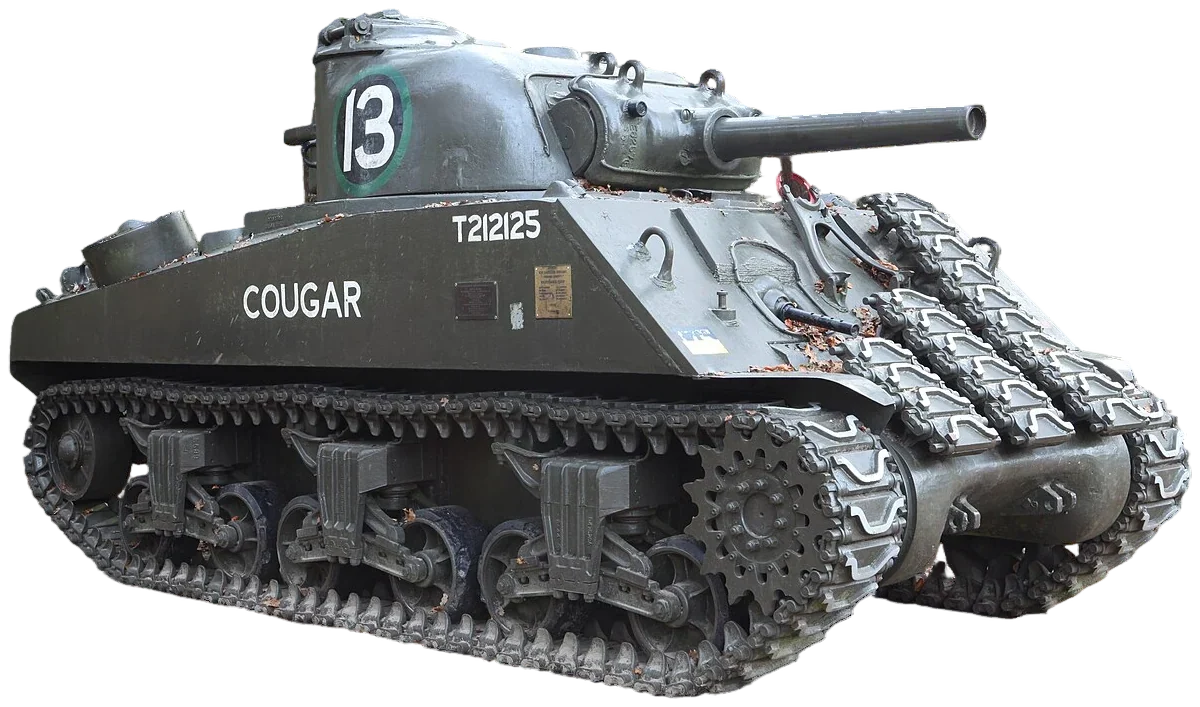 M4 Sherman
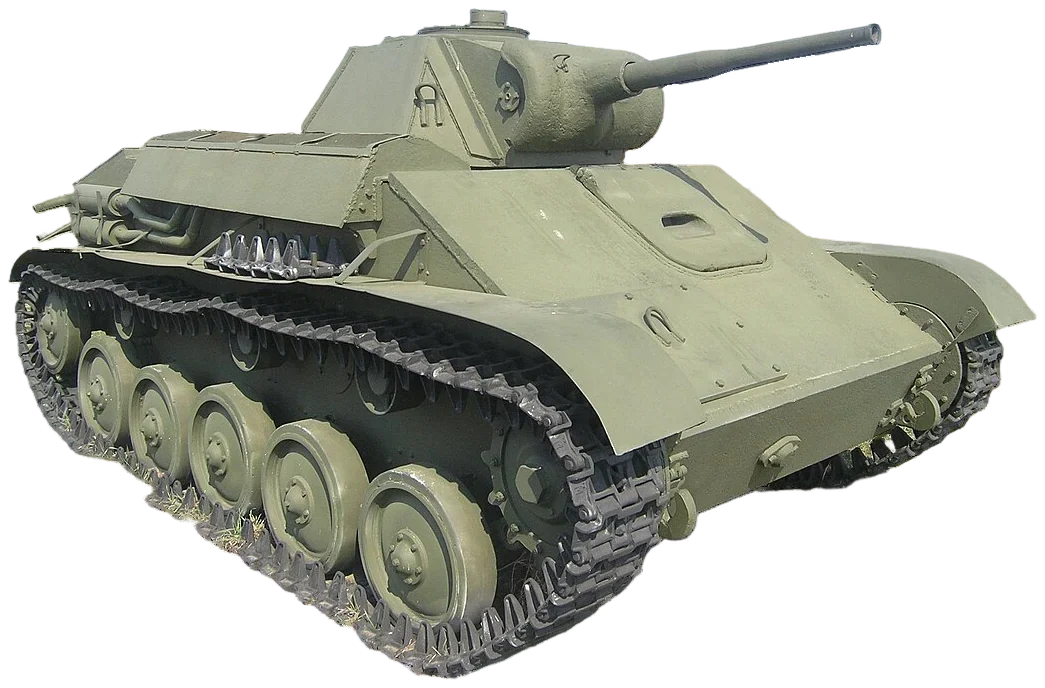 T-70Tiger IPanther
 Comet
 Cromwell
 IS-2M24 Chaffee
 M26 PershingT-44Tiger II
 Centurion
 IS-3
 T-54/T-55
 M47 Patton
 PT-76AMX-13
 M48 Patton
 M41 Walker BulldogT-10M103
 M60 Patton
 Sho'tType 59
 Chieftain
 T-62
 Leopard 1
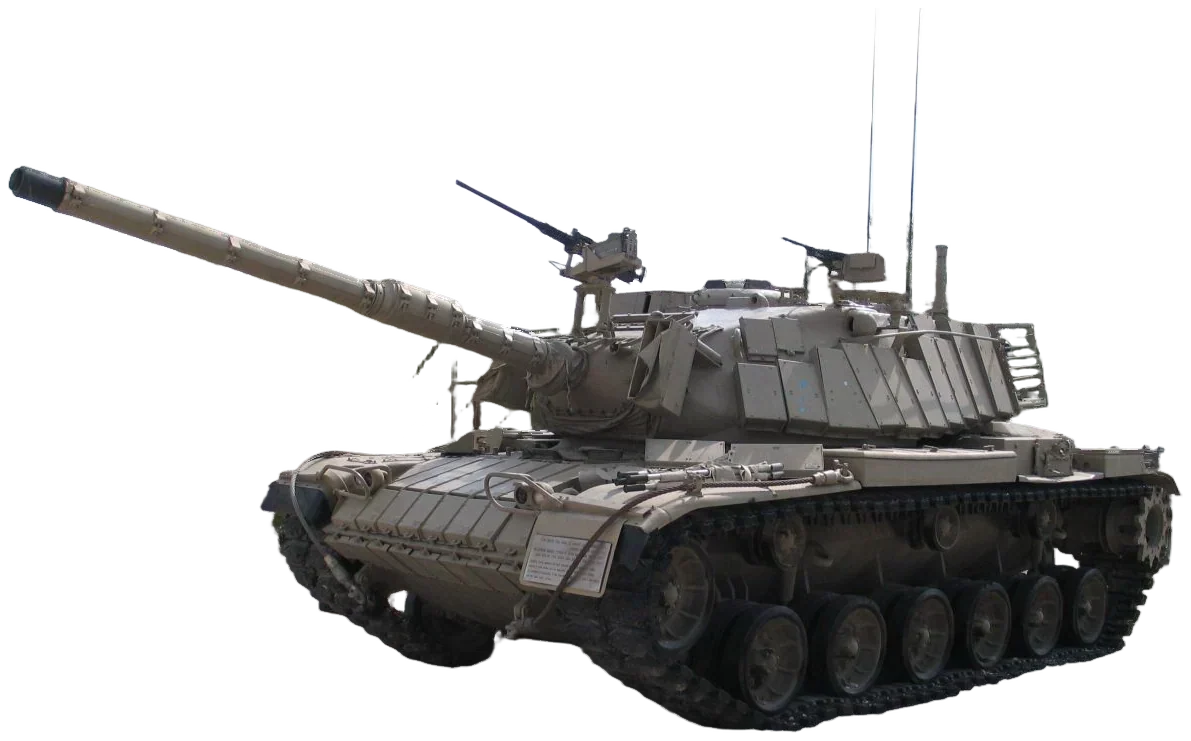 Magach
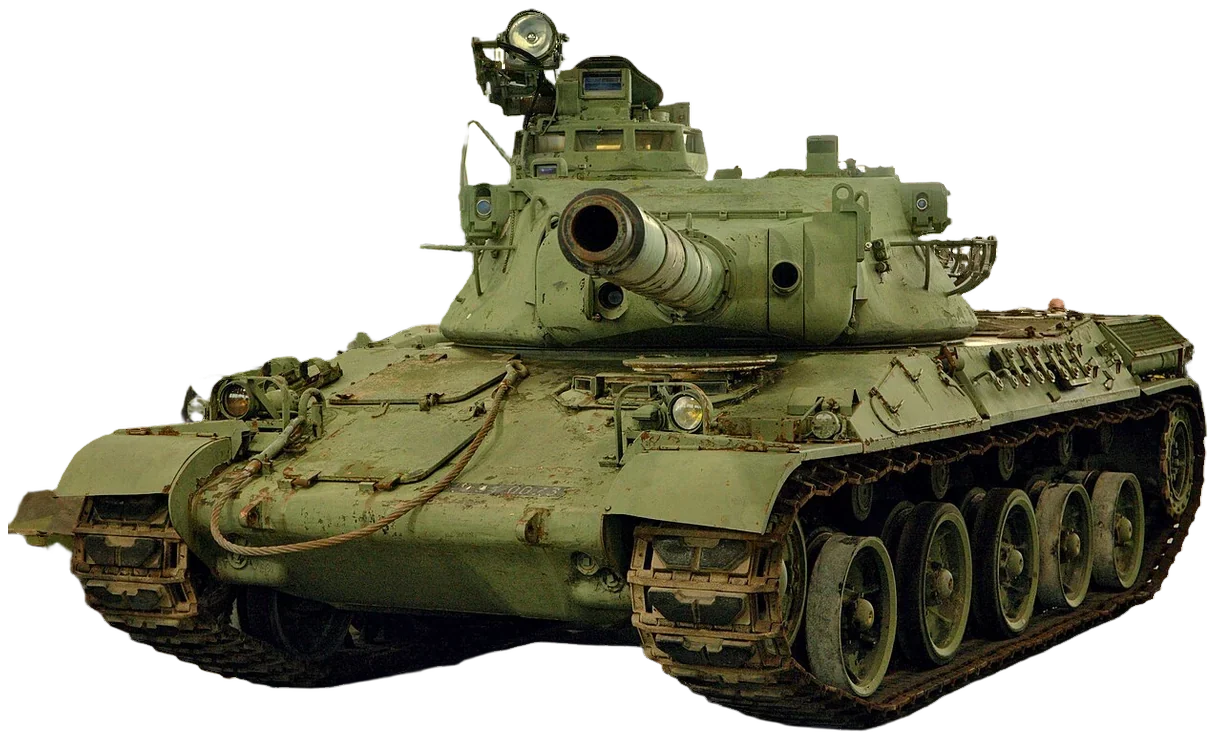 AMX-30T-64
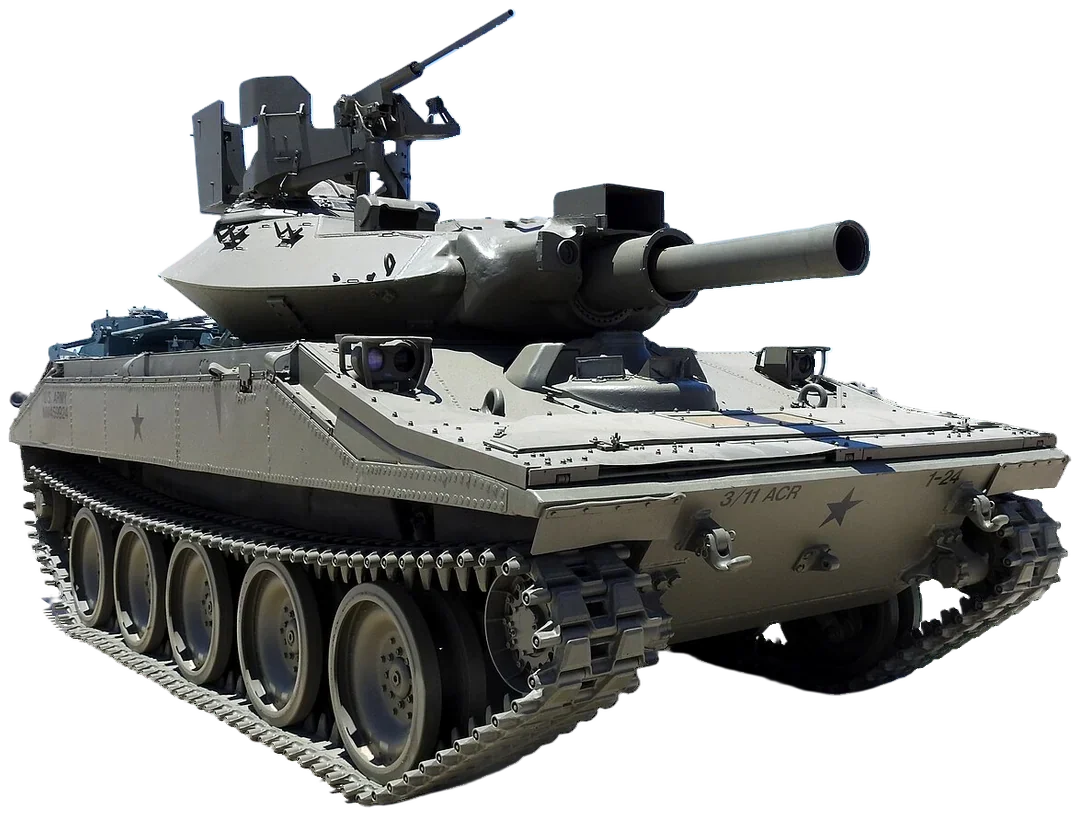 M551 Sheridan
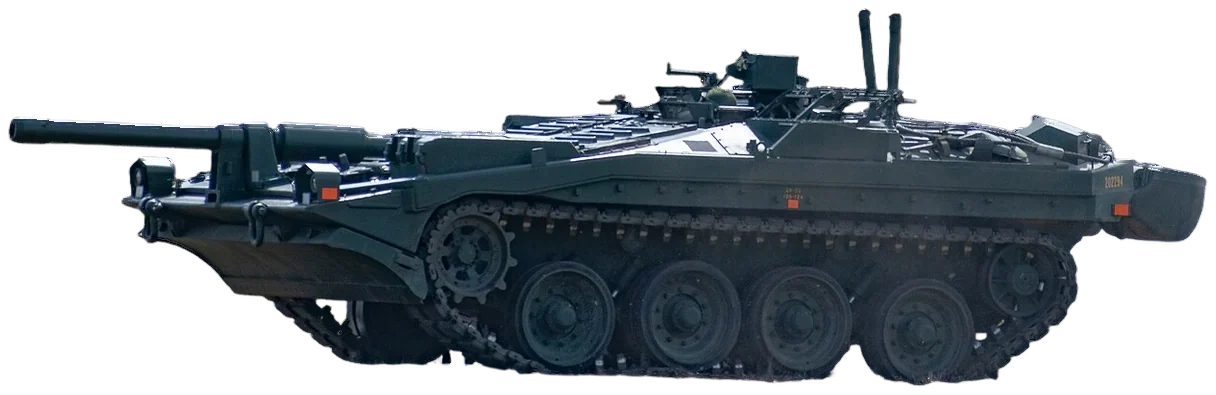 Stridsvagn 103T-72
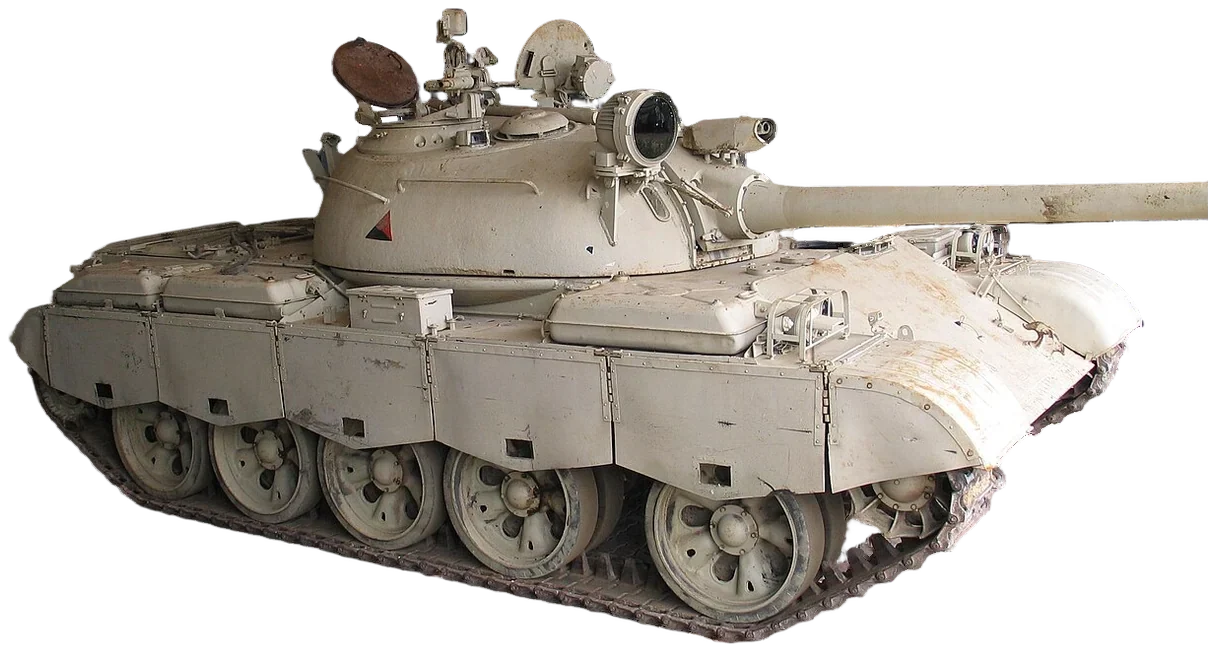 Type 69
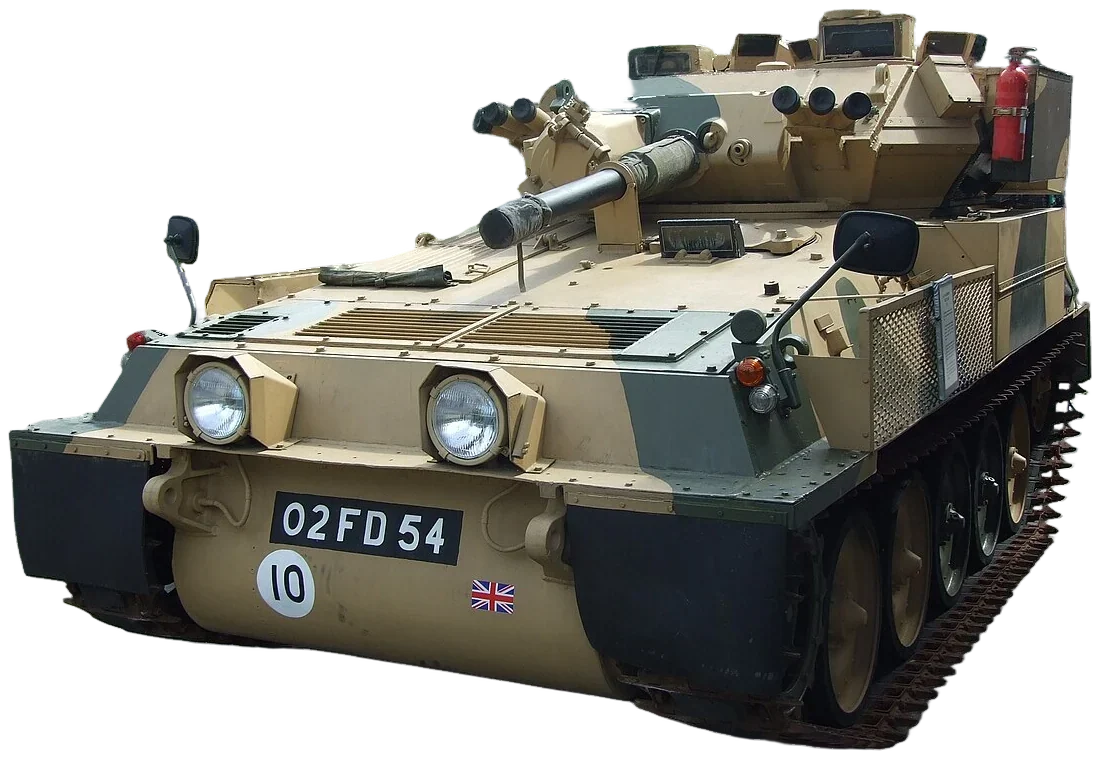 FV101 ScorpionType 74OlifantT-80
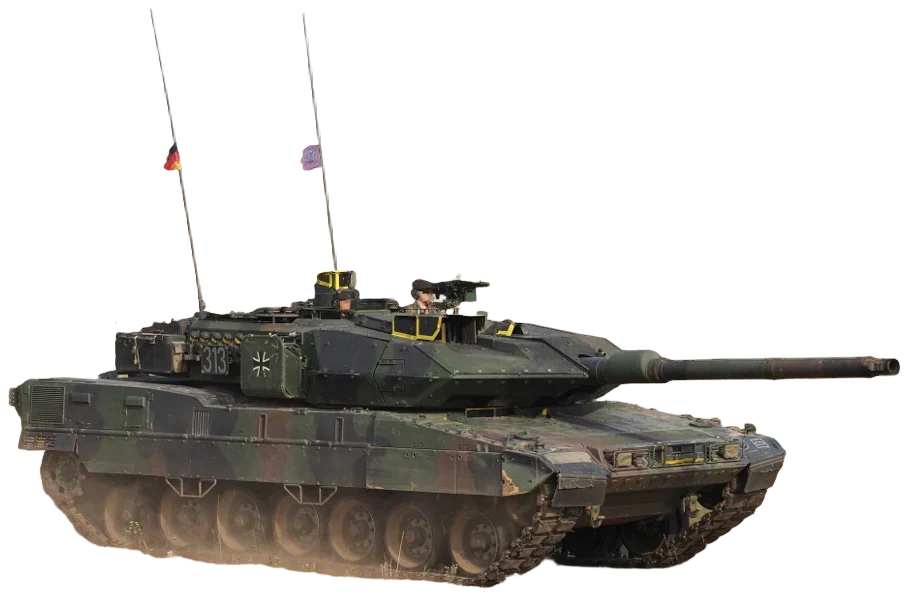 Leopard 2
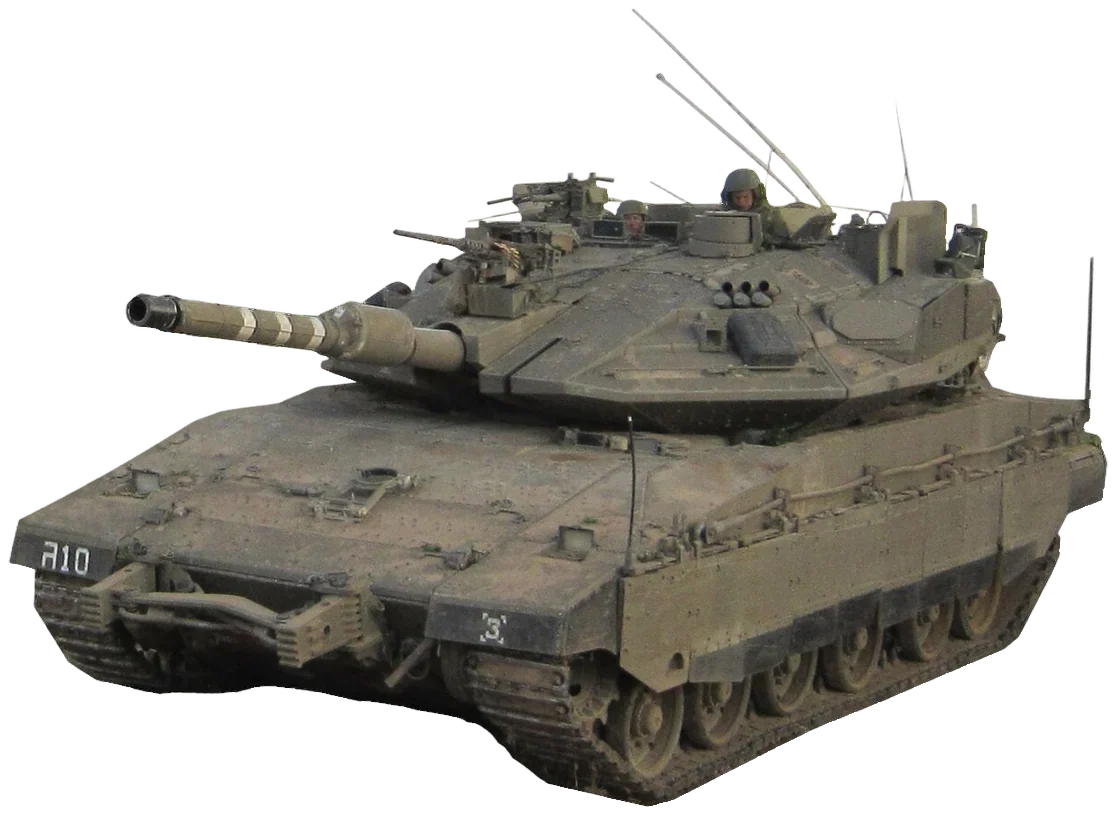 MerkavaM1 Abrams
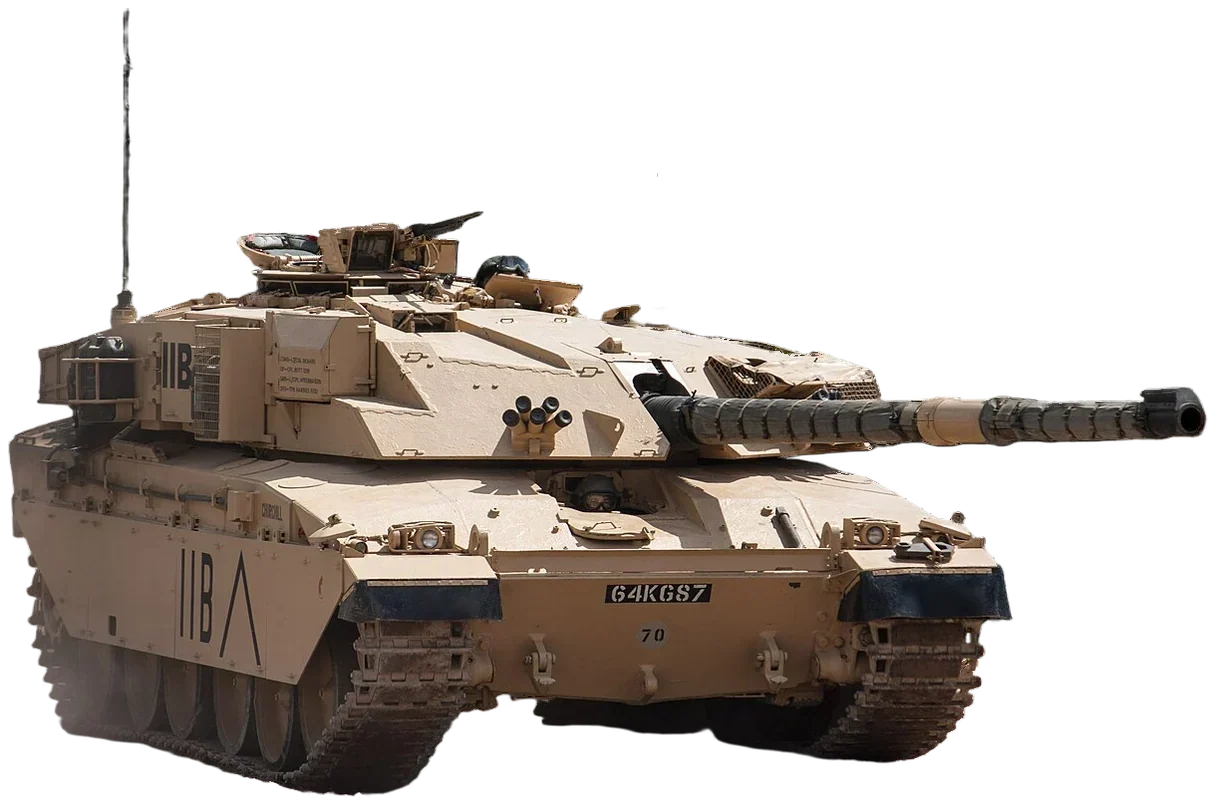 Challenger 1
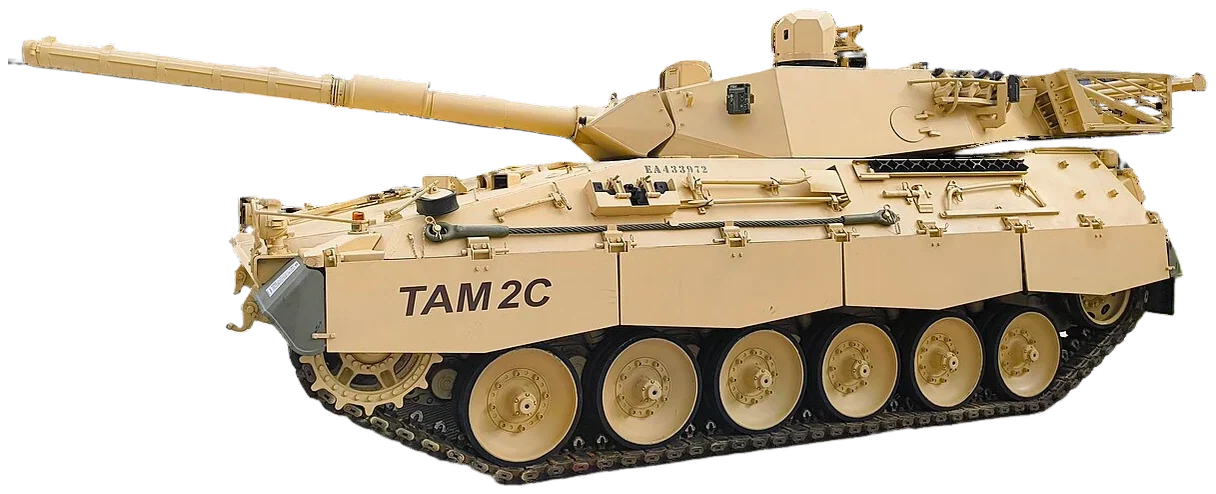 TAM
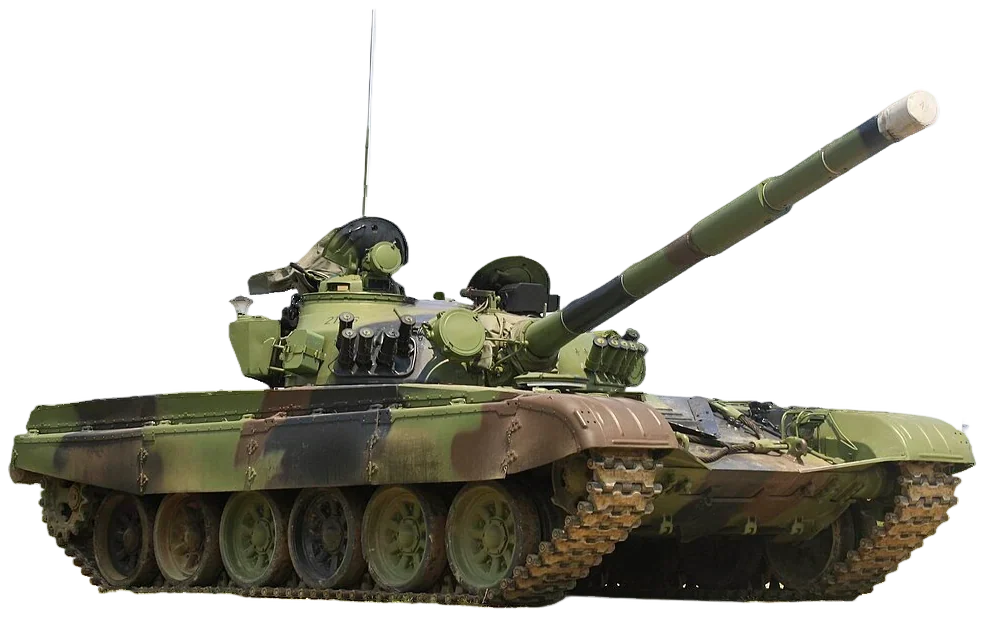 M-84K1
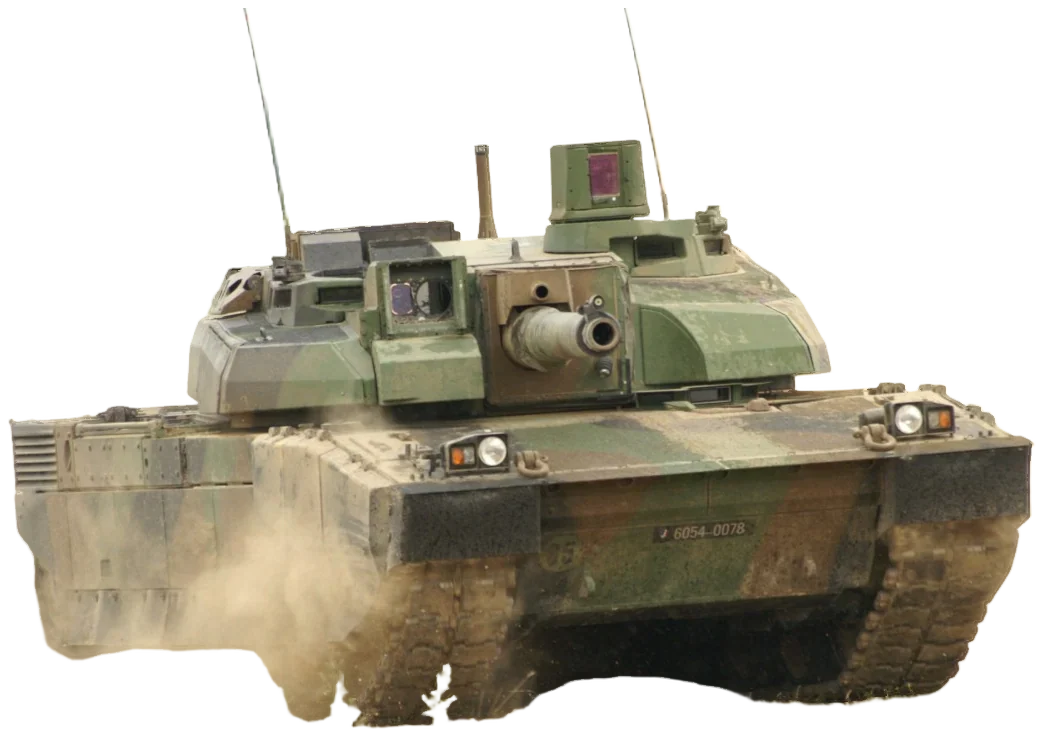 Leclerc
 T-90Type 90C1 Ariete
 PT-91 TwardyType 96Zulfiqar
 Challenger 2T-84Al-KhalidType 99
 2S25 Sprut-SDM60T Sabra
 ArjunType 10K2 Black PantherType 15Karrar
 Kaplan MTT-14 Armata
 M10 Booker
 Altay
Overview
A7V is a tank from Germany, made by Daimler Motoren Gesellschaft. It entered service in 1918; it was produced from 1917 to 1918; 20 were built. Its main weapon has a calibre of 57 mm. It is used or was used by Germany, and saw combat in World War I.
Specifications
Armament
- Main armament
- 5.7 cm Maxim-Nordenfelt(initially with 180 rounds
- Caliber
- 57 mm
- Secondary armament
- 6 × 7.9 mm machine guns36,000 rounds
Dimensions and weights
- Weight
- 32 t
- Length
- 7.34 m
- Width
- 3.10 m
- Height
- 3.30 m
Mobility and protection
- Engine
- 2 × Daimler-Mercedes 4-cylinder
- Power
- 149 kW
- Road speed
- 15 km/h
- Off-road speed
- 6 km/h
- Operational range
- 80 km
- Fuel capacity
- 500 l
- Suspension
- Holt track, vertical springs
- Armour
- 5 to 30 mm (0.20 to 1.18 in)
Users & conflicts
Conflicts



Operators
Sources
- Wikipedia (pl): A7V, Wikipedia
- Wikipedia (ru): A7V, Wikipedia
- Wikipedia: A7V, Wikipedia
Figures from the infobox of the English Wikipedia article, completed from Wikidata and the article in other languages where it gives none; where there are several versions, the first one given. Operators include former ones; the side that used a vehicle in a war is derived from its operators.
 EN
 Русский
 Français
 Español
 العربية