
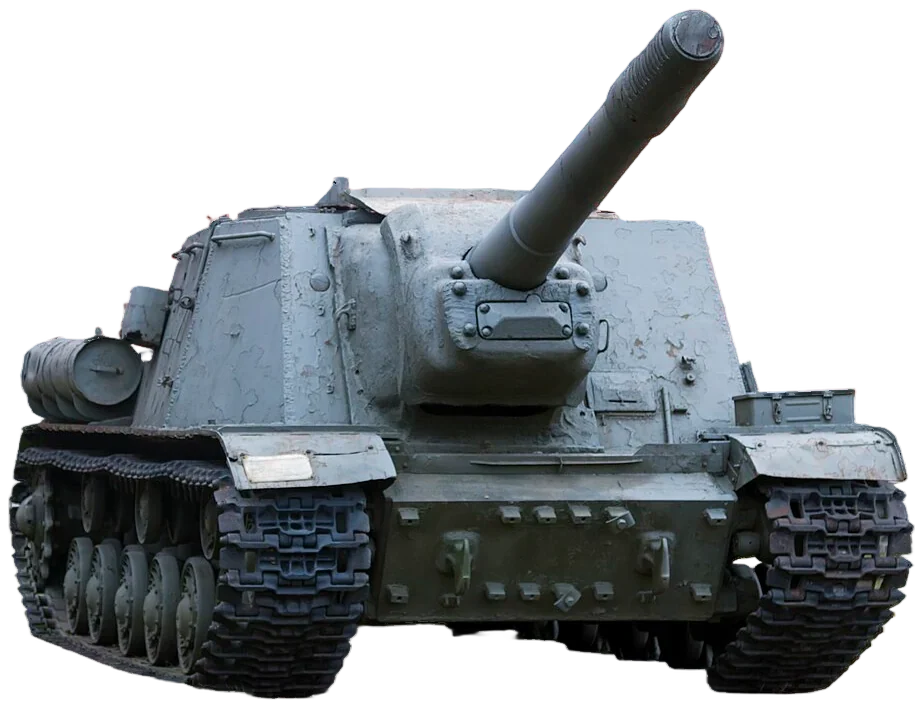
ISU-152
Key specs
- Type
- Self-propelled artillery
- Origin
 Soviet Union
- Manufacturer
- Leningrad Kirov Plant
- Designer
- Design Bureau of Factory No. 100
- Designed
- 1943
- Entered service
- 1943
- Produced
- 1943–1959
- Units produced
- 4,635
- Status
- Retired
- Crew
- 4
Self-propelled artillery
3 / 30
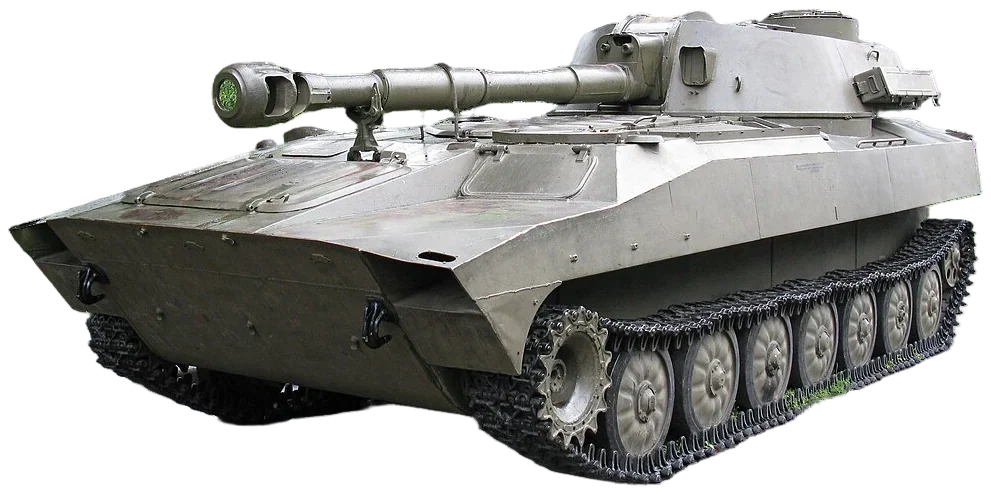
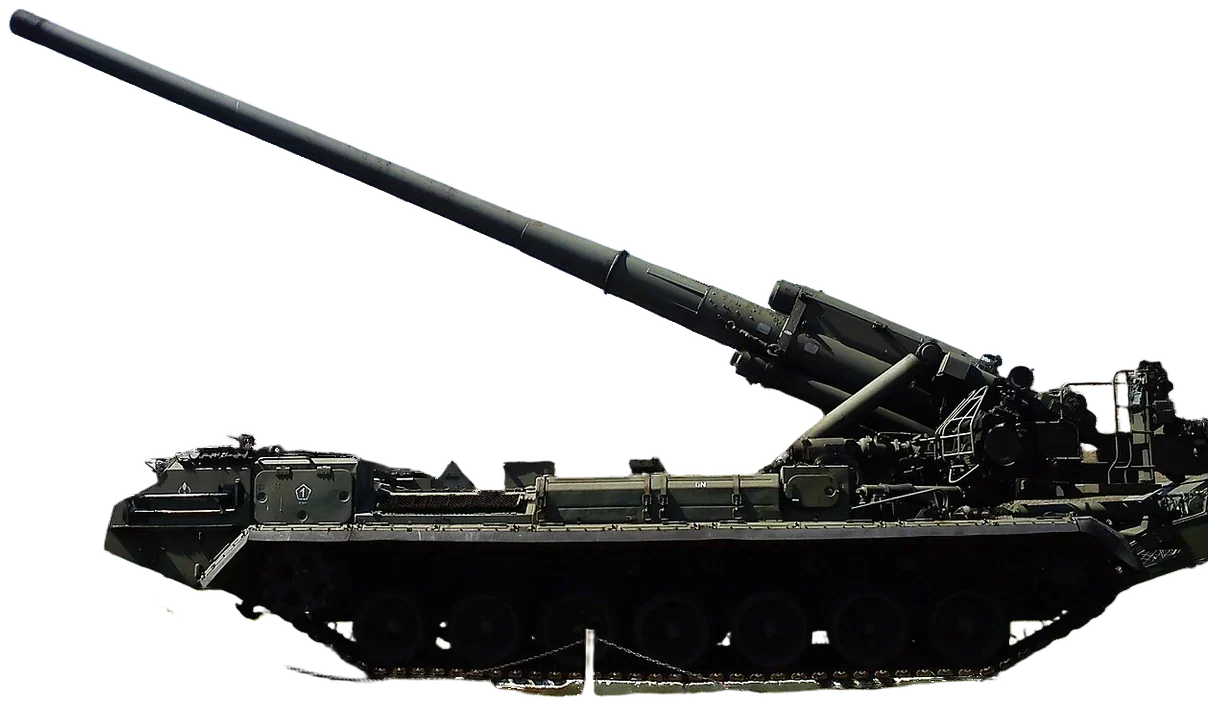
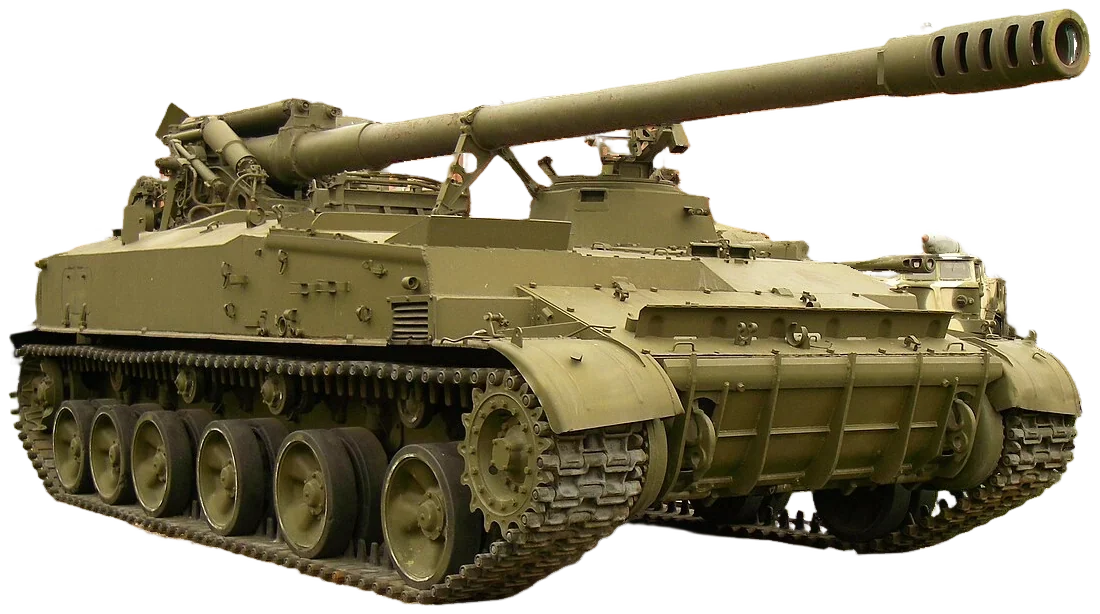
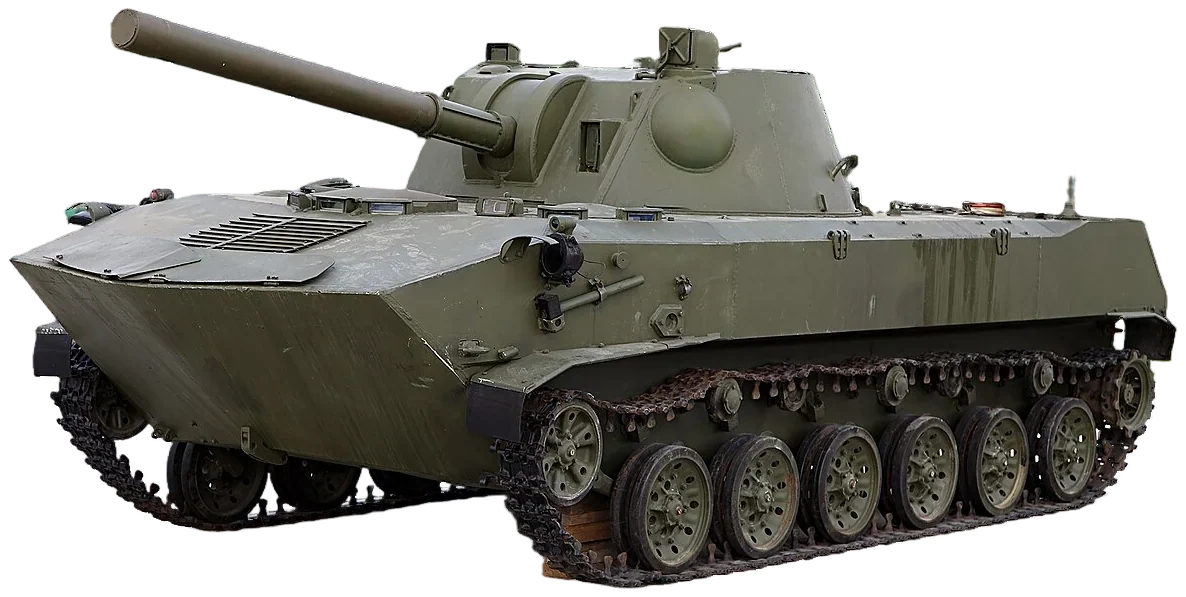
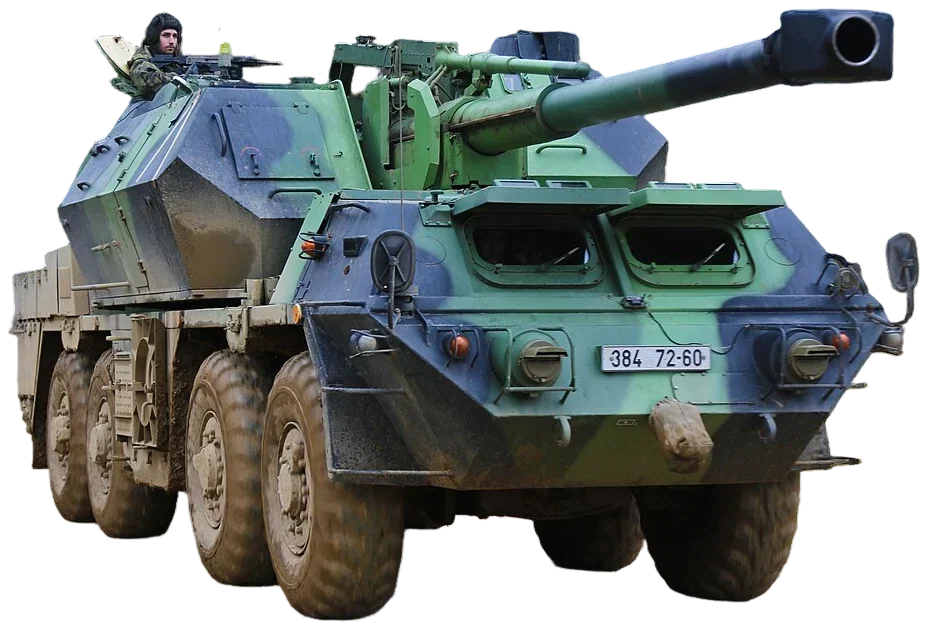
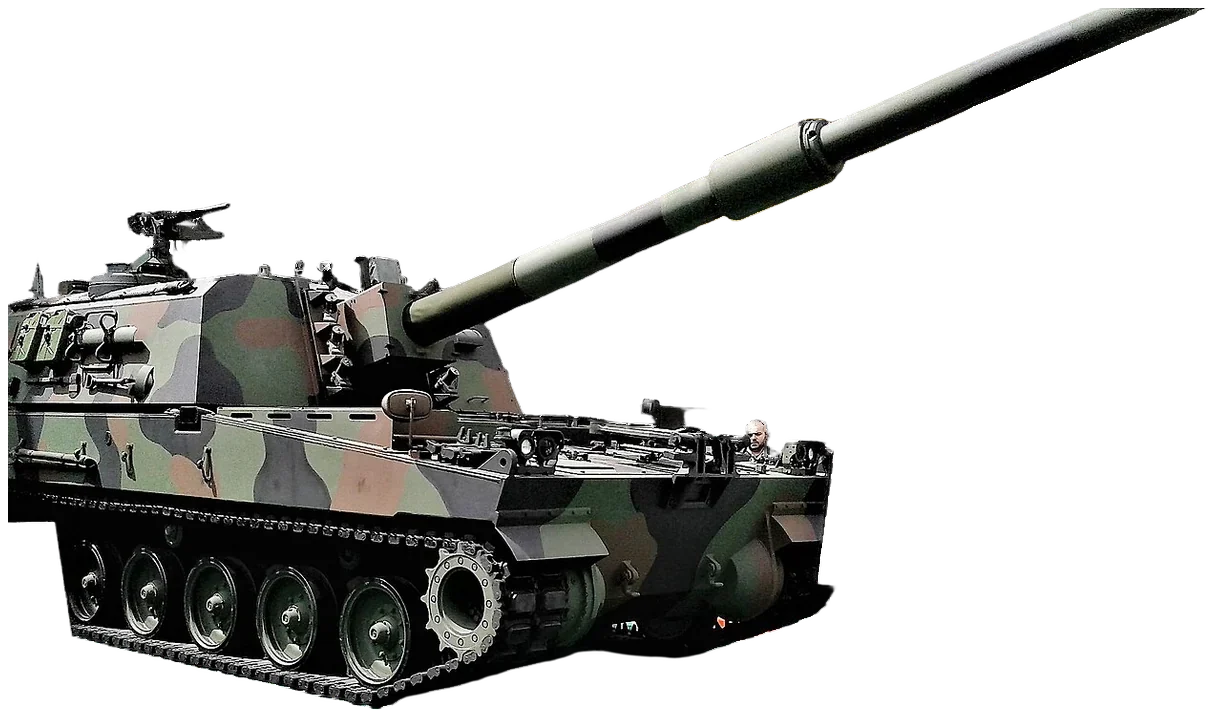
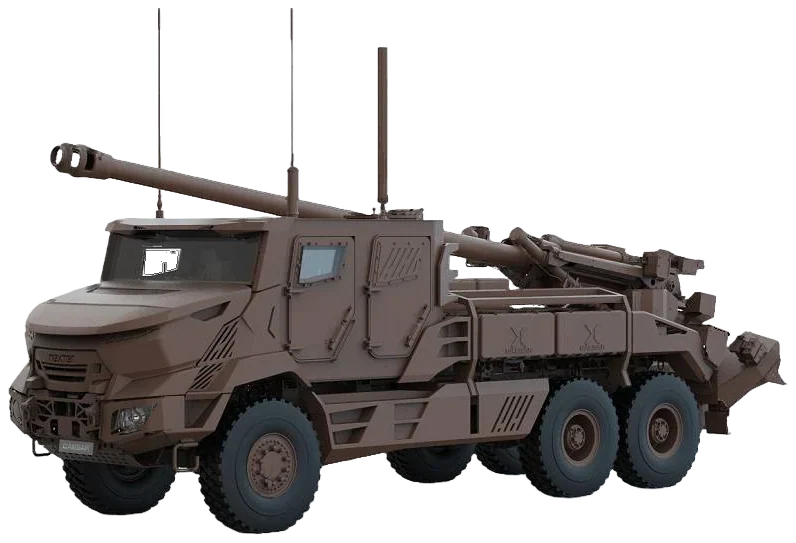
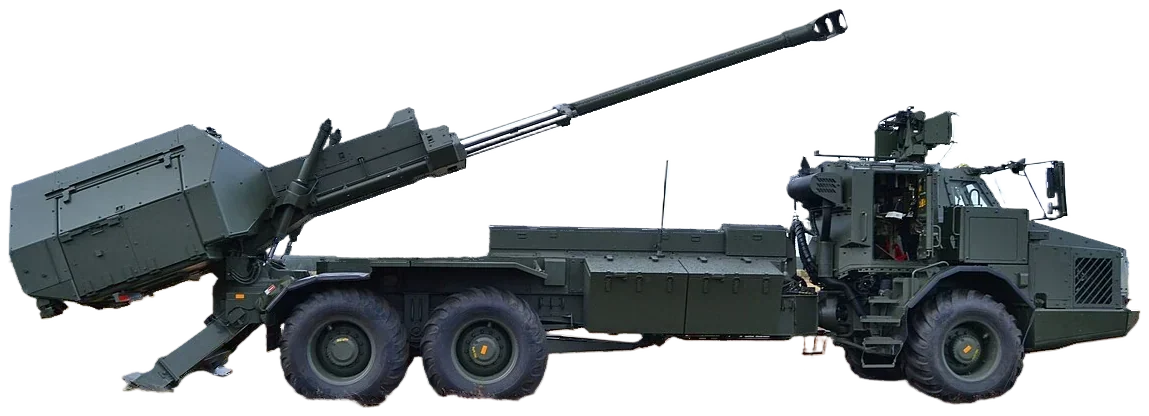
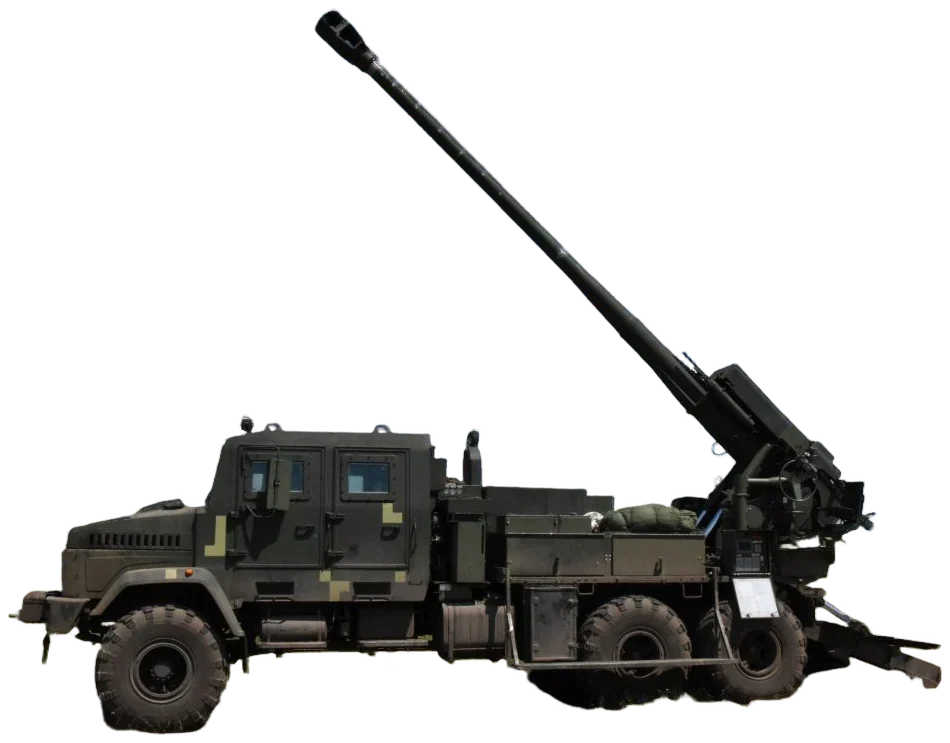
Overview
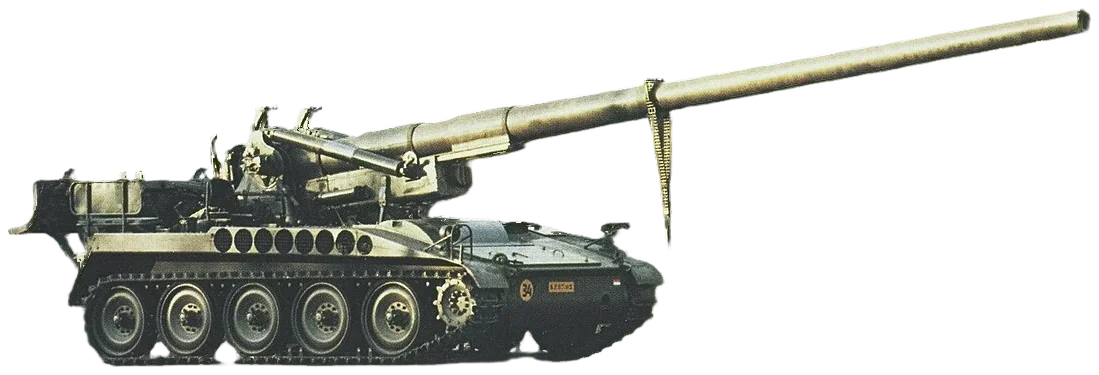
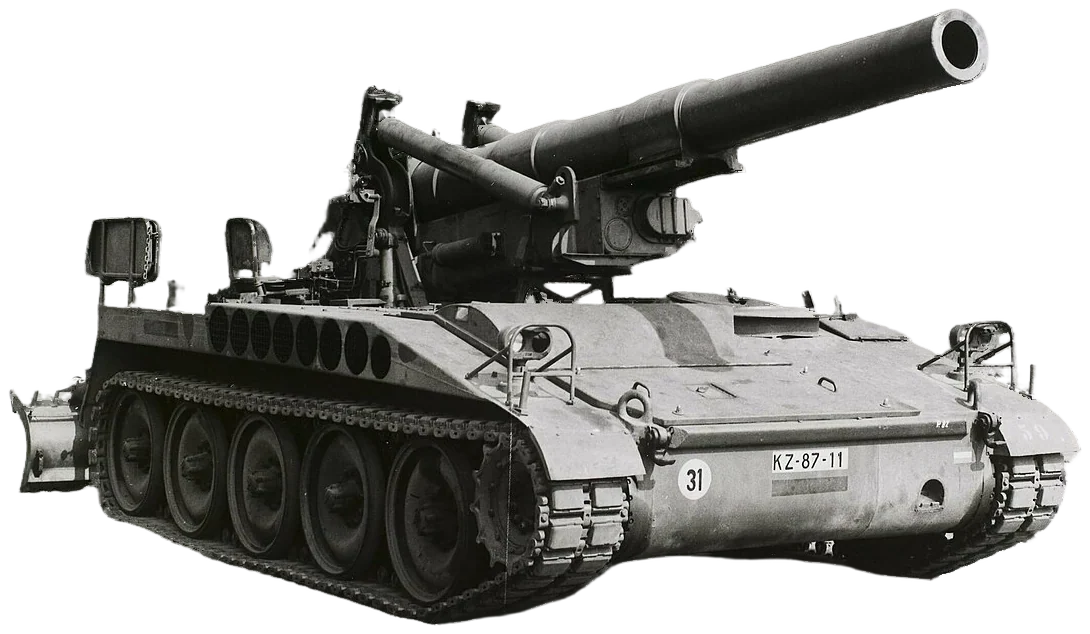
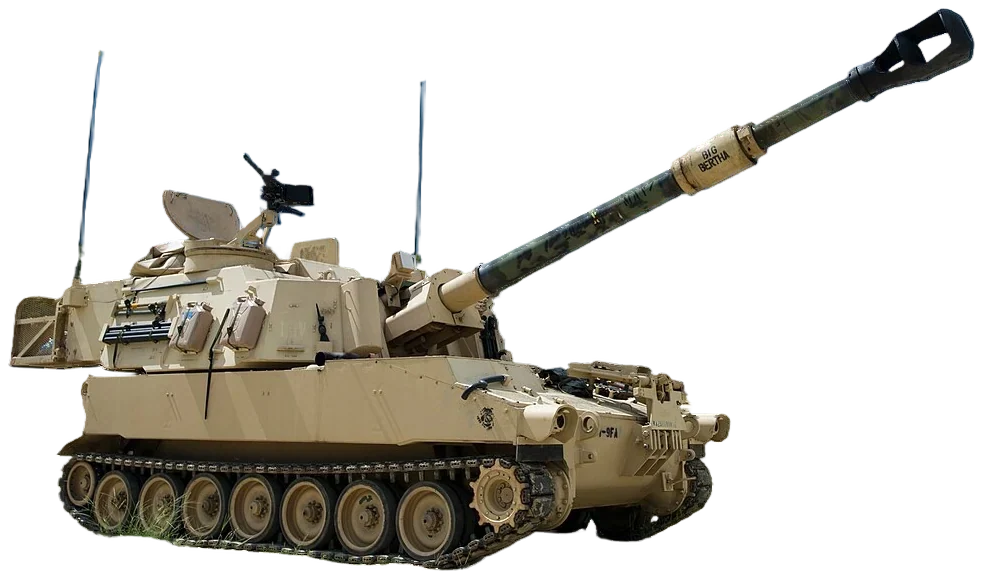
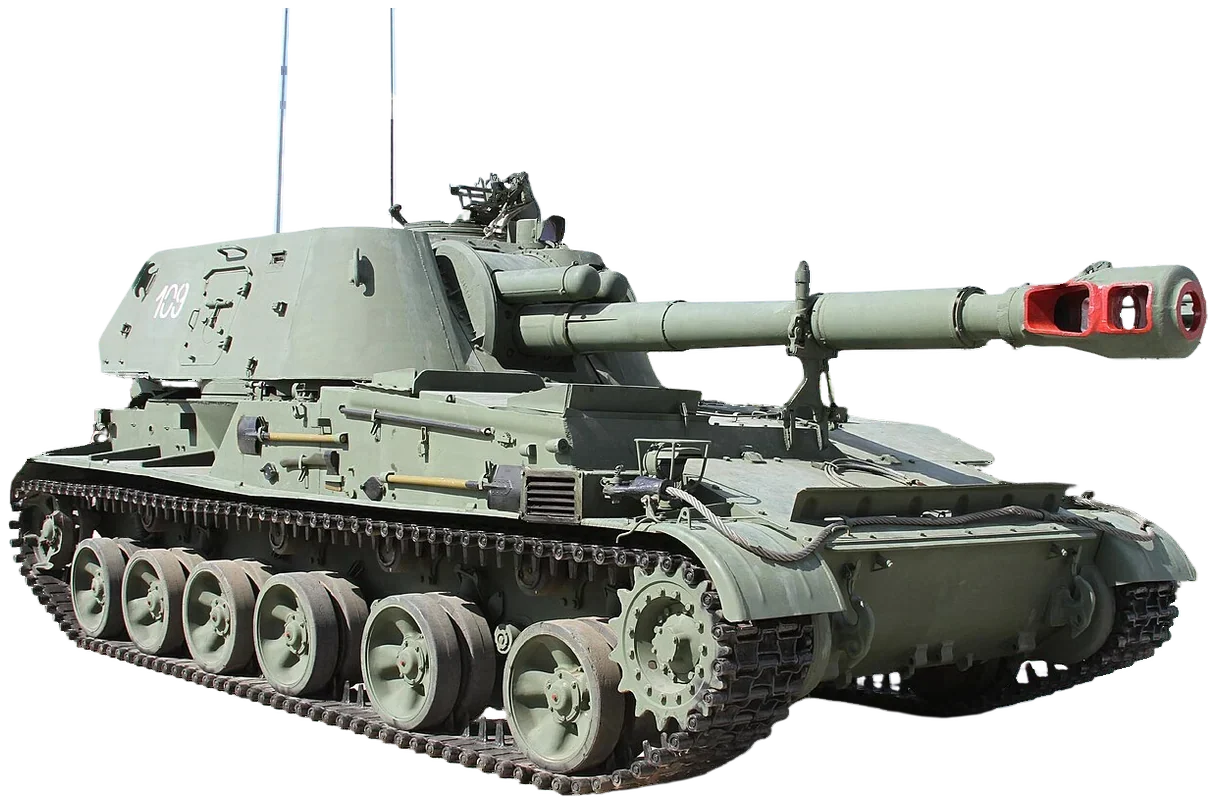
ISU-152 is a self-propelled artillery system from the Soviet Union, made by Leningrad Kirov Plant. It entered service in 1943; it was produced from 1943 to 1959; 4,635 were built. It fires 152.4 mm shells up to 3.8 km. It is used or was used by the Soviet Union, Finland, Poland, China and 3 other countries, and saw combat in the Iraq War, the Iran–Iraq War, the Korean War, among others.
Specifications
Armament
- Main armament
- 152.4 mm ML-20S gun-howitzer(18 rounds) (ISU-152)
- Caliber
- 152.4 mm
- Maximum range of fire
- 4 km
- Secondary armament
- ISU-152, ISU-152-2, ISU-152K12.7×108 mm DShK anti-aircraft machine gun(200 rounds) (ISU-152, ISU-152-2)(300 rounds) (ISU-152K)ISU-152M12.7mm DshKM anti-aircraft machine gun(300 rounds)ISU-152 model 194512.7×108 mm DShK anti-aircraft machine gun(300 rounds)
Dimensions and weights
- Weight
- 47 t
- Length
- 9.18 m
- Width
- 3.07 m
- Height
- 2.48 m
Mobility and protection
- Engine
- 12-cyl. V-2IS diesel engine
- Power
- 382 kW
- Road speed
- 30 km/h
- Off-road speed
- 20 km/h
- Operational range
- 120 km
- Fuel capacity
- 560 l
- Suspension
- torsion bar
- Armour
- ISU-152, ISU-152-2; 120 mm (mantlet (maximum)); 90 mm (lower hull front, lower hull side and superstructure front); 75 mm (upper hull side); 60 mm (upper hull…
Variants
ISU-152 (ML-20)ISU-152-2 (BL-10)ISU-152 model 1945ISU-152K (ML-20)ISU-152M (ML-20)
Weapons and ammunition on board
Users & conflicts




 Finland
 Poland
 South Korea
 Egypt
 Romania
Sources
- Wikipedia (uk): ІСУ-152, Wikipedia
- Wikipedia: ISU-152, Wikipedia
Figures from the infobox of the English Wikipedia article, completed from Wikidata and the article in other languages where it gives none; where there are several versions, the first one given. Operators include former ones; the side that used a vehicle in a war is derived from its operators.
 Русский
 Türkçe
 Deutsch
 Español
 العربية