
ML-20
Key specs
- Type
- Towed artillery
- Origin
 Soviet Union
- Manufacturer
- Motovilikha Plants
- Designer
- No. 172 Plant, F. F. Petrov
- Entered service
- 1937
- Produced
- 1937–1947
- Units produced
- 6,884
- Status
- Retired
- Crew
- 9
Towed artillery
2 / 19
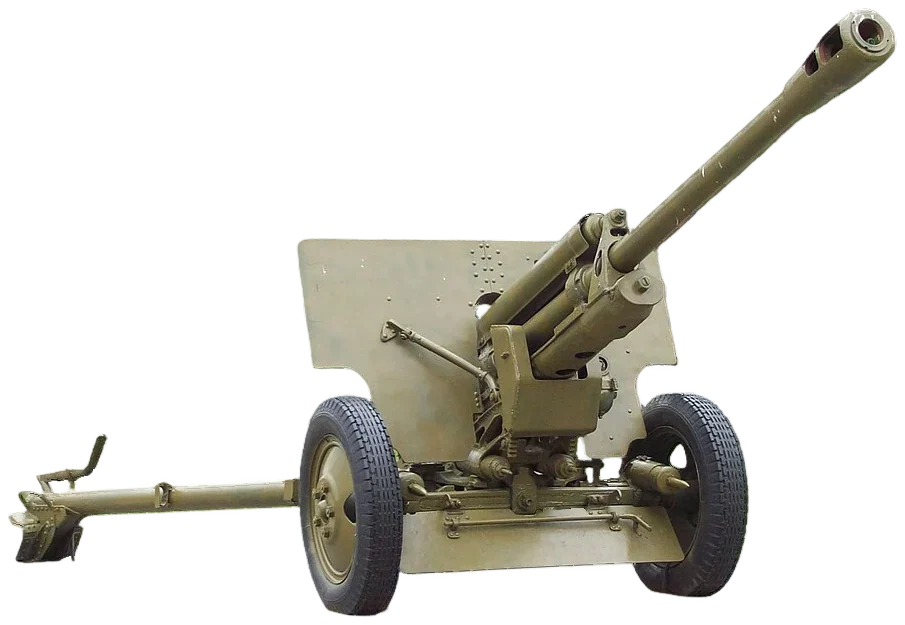
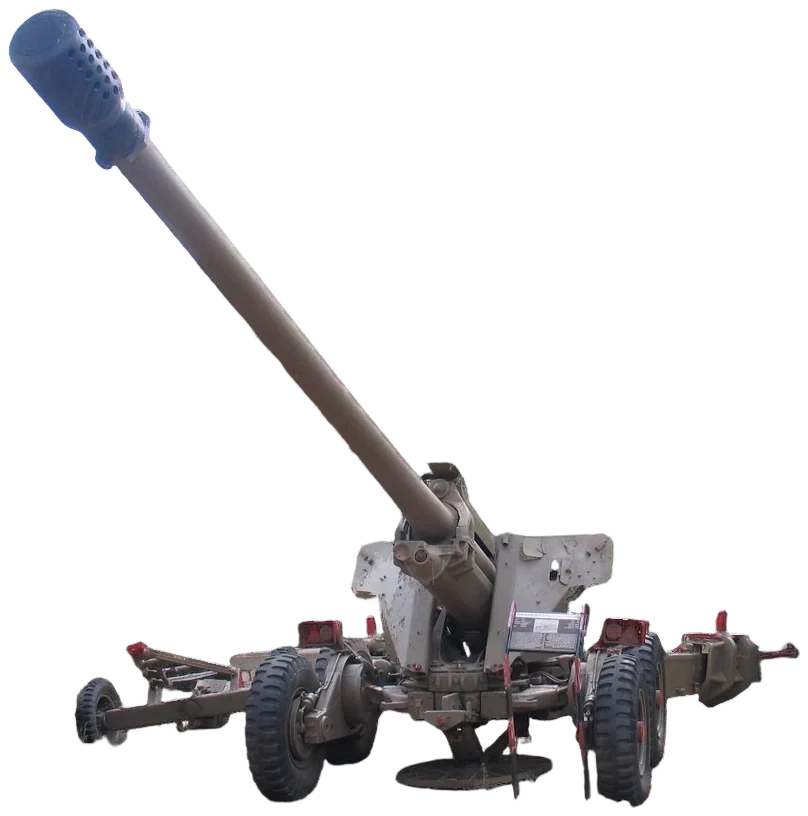
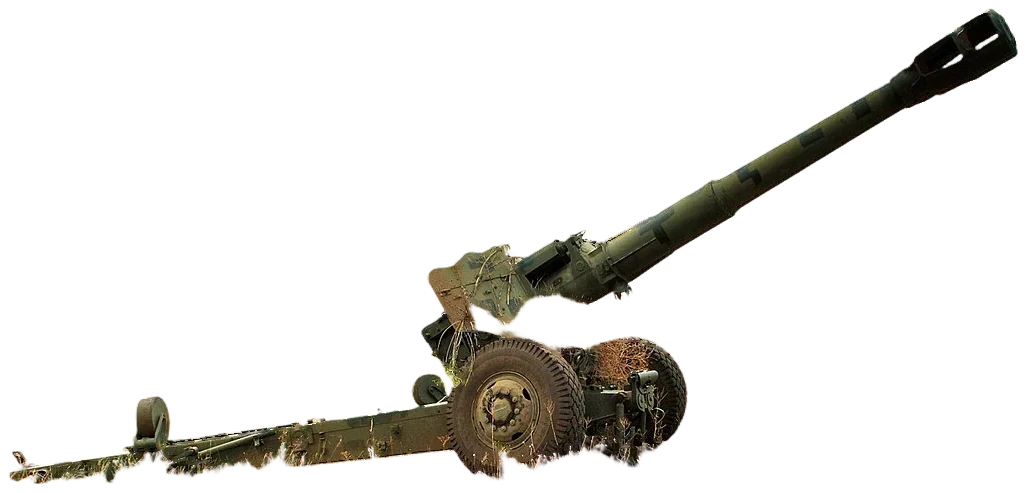
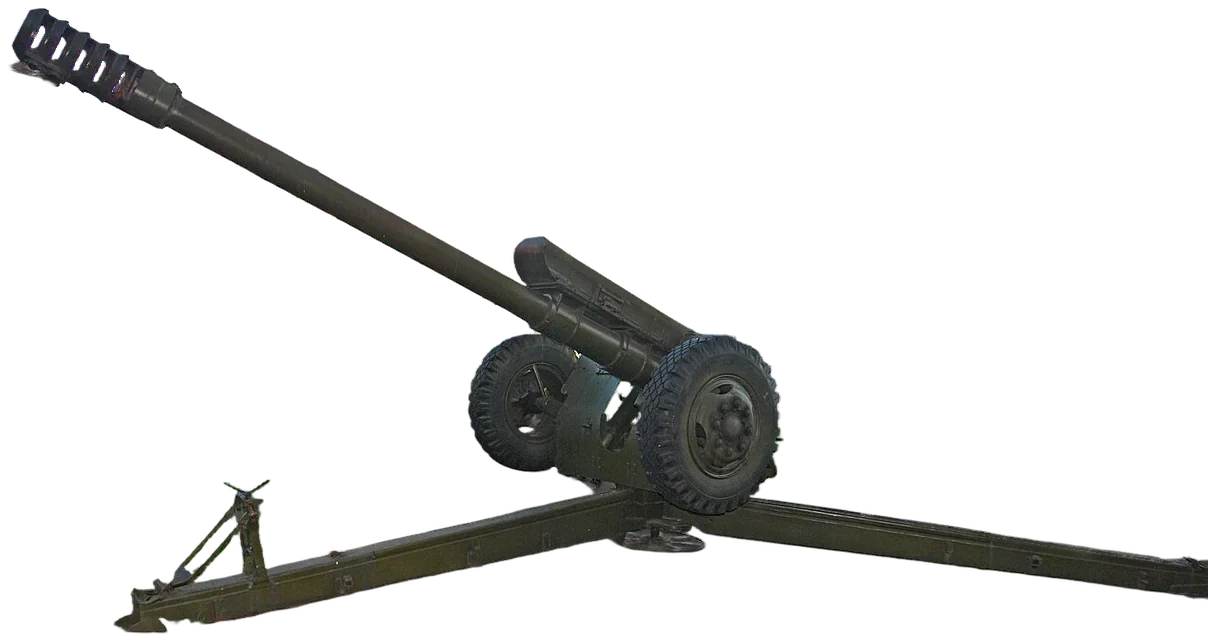
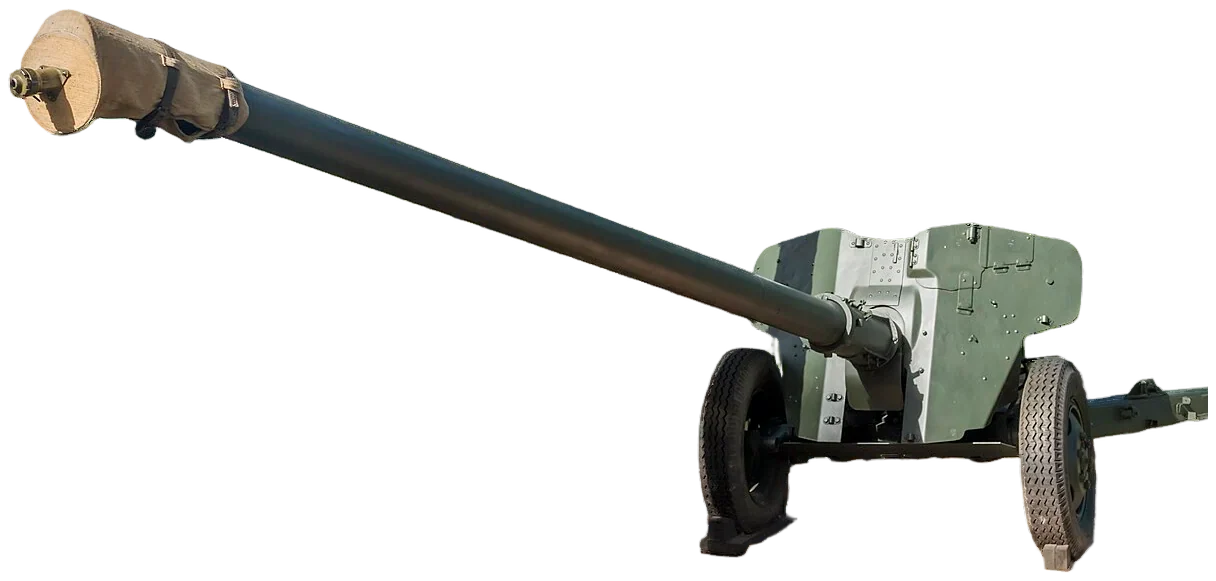
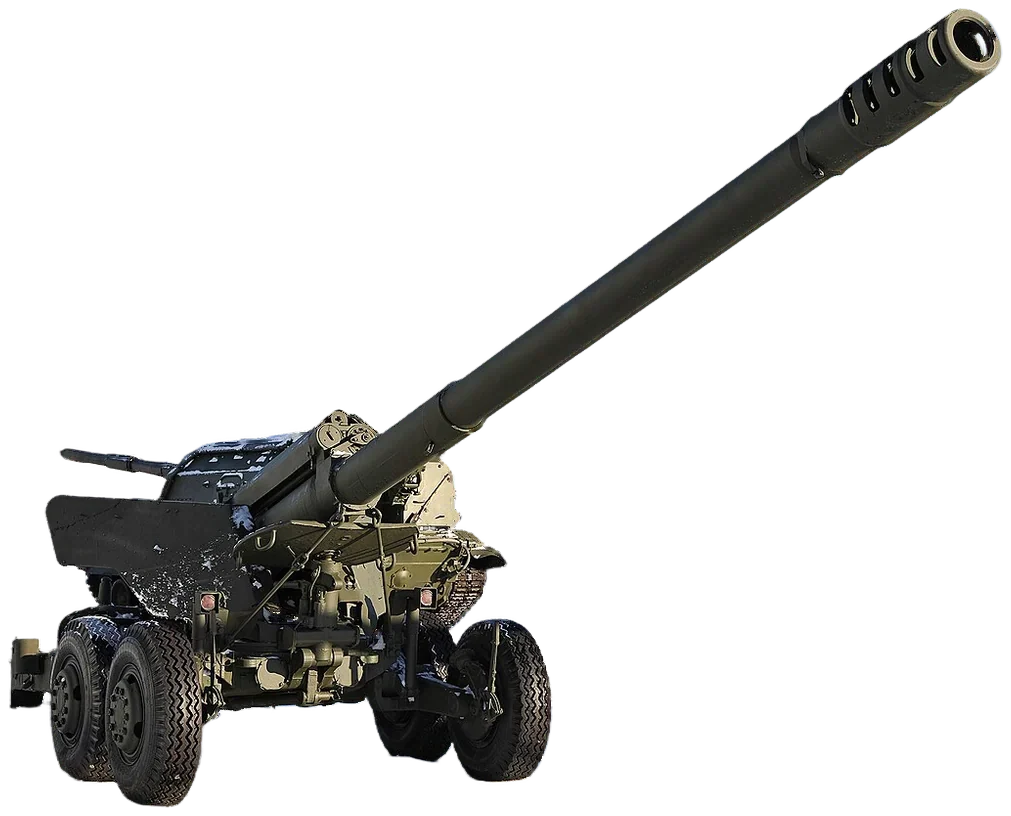
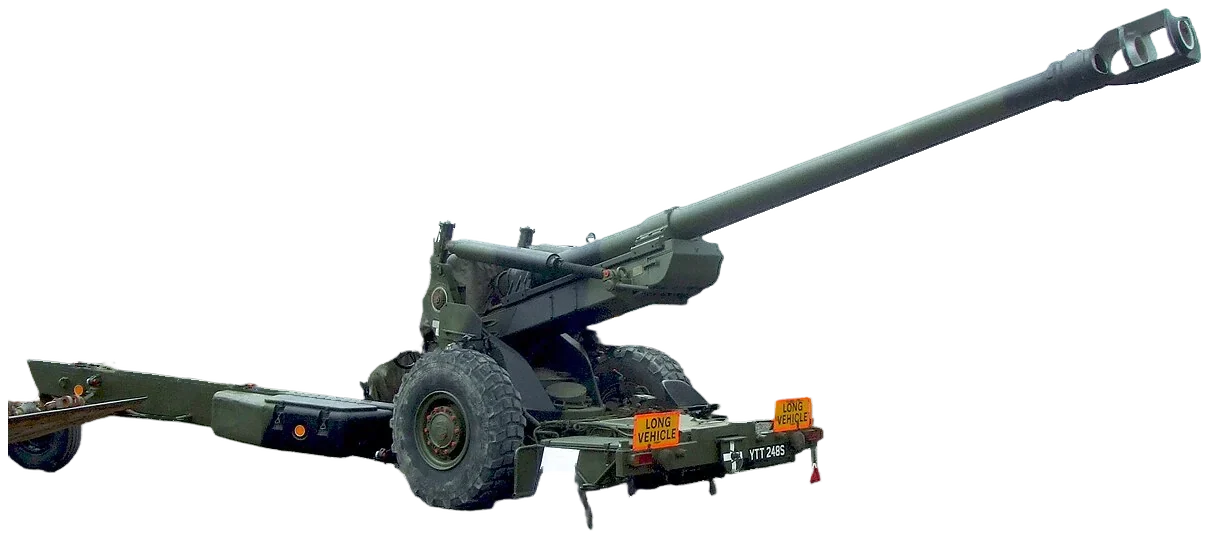
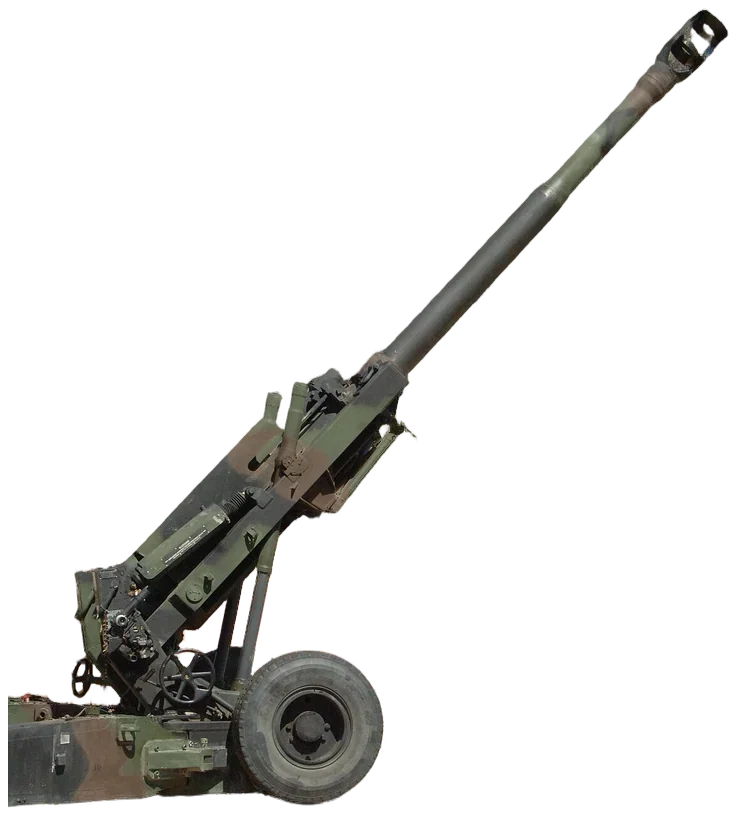
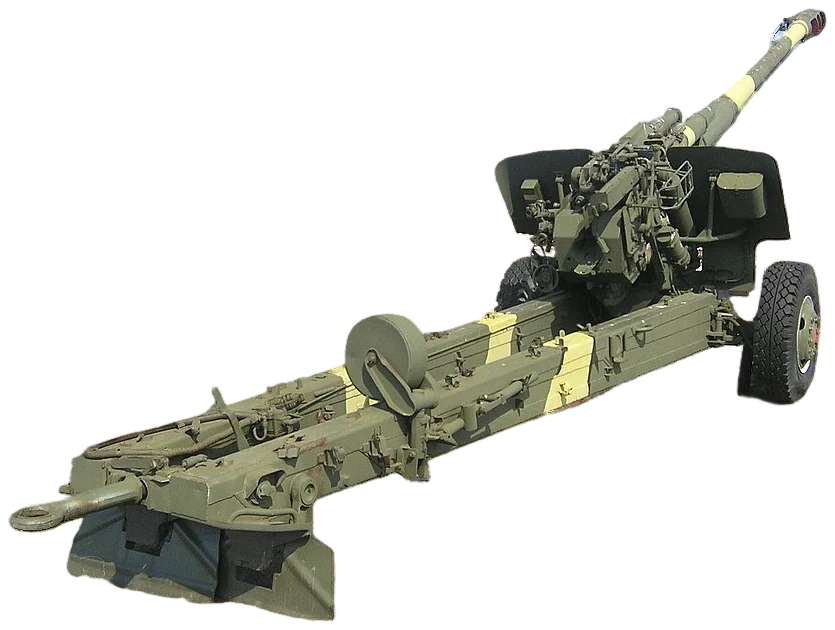
Overview
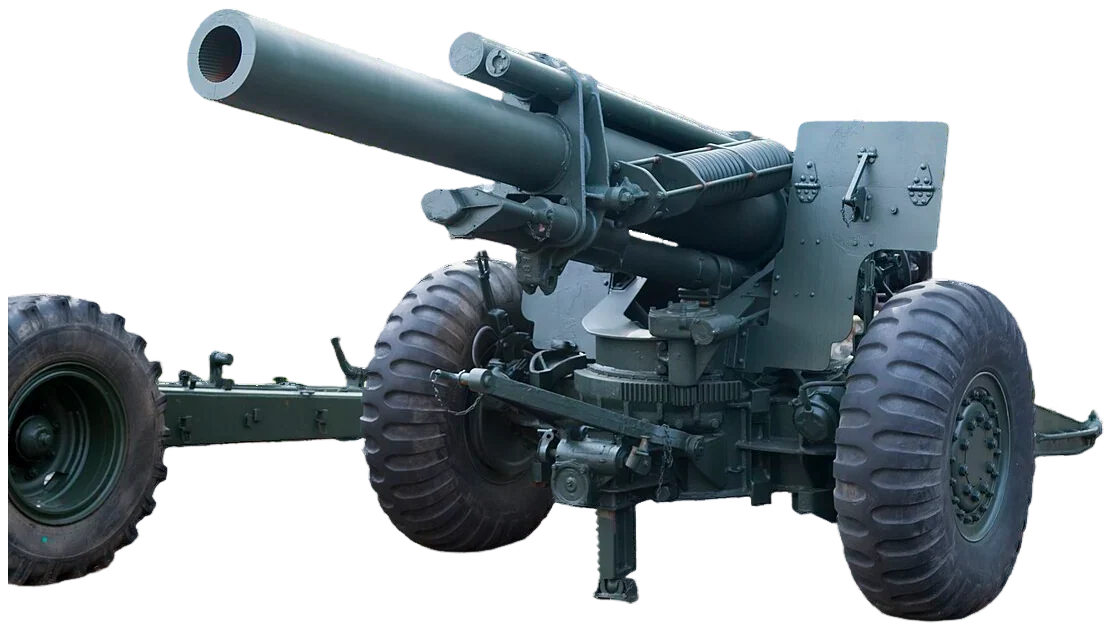
ML-20 is a towed artillery piece from the Soviet Union, made by Motovilikha Plants. It entered service in 1937; it was produced from 1937 to 1947; 6,884 were built. It fires 152.4 mm shells up to 17.2 km. It is used or was used by the Soviet Union, Germany, Finland, Afghanistan and 20 other countries, and saw combat in the Yom Kippur War, the Six-Day War, World War II, among others.
Specifications
Armament
- Caliber
- 152.4 mm
- Maximum range of fire
- 17 km
- Rate of fire
- 4 rds/min
Dimensions and weights
- Weight
- 7 t
- Length
- 8.18 m
- Width
- 2.35 m
- Height
- 2.27 m
Mobility and protection
- Road speed
- 20 km/h
Users & conflicts




 Germany
 Finland
 Afghanistan
 Albania
 Algeria
 Bulgaria
 Cuba
 Czechoslovakia
 Egypt
 Georgia
 Iraq
 North Korea
 Libya
 Mongolia
 Poland
 Romania
 Russia
 Somalia
 Syria
 Ukraine
 Vietnam
Sources
- Wikidata: Q192221, Wikidata
- Wikipedia (fr): Obusier-canon de 152 mm M1937 (ML-20), Wikipedia
- Wikipedia (pl): 152 mm haubicoarmata wz. 1937 (MŁ-20), Wikipedia
- Wikipedia (ru): 152-мм гаубица-пушка образца 1937 года (МЛ-20), Wikipedia
- Wikipedia: 152 mm howitzer-gun M1937 (ML-20), Wikipedia
Figures from the infobox of the English Wikipedia article, completed from Wikidata and the article in other languages where it gives none; where there are several versions, the first one given. Operators include former ones; the side that used a vehicle in a war is derived from its operators.
 Türkçe
 Español
 العربية