
S-125 Neva/Pechora
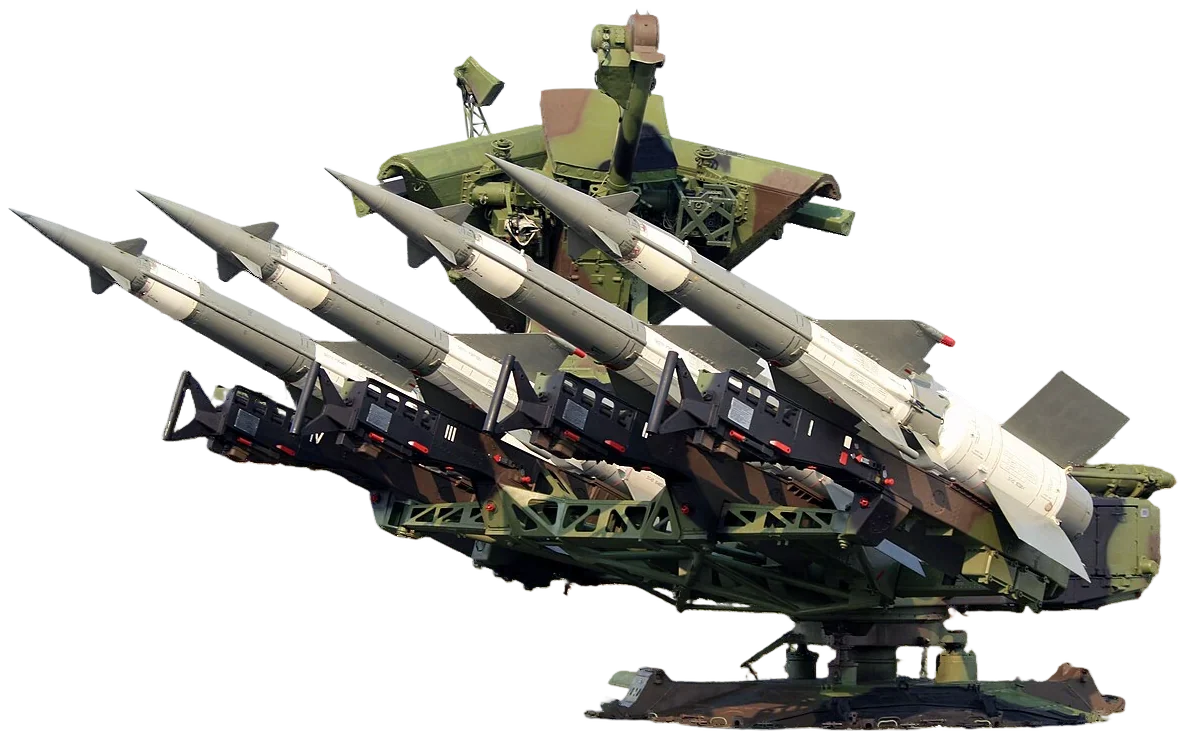
Key specs
- Type
- Air defence system
- Origin
 Soviet Union
- Manufacturer
- JSC Defense Systems
- Designer
- Almaz Central Design Bureau
- Entered service
- 1961
- Production start
- 1961
- Status
- In service
Air defence system
10 / 49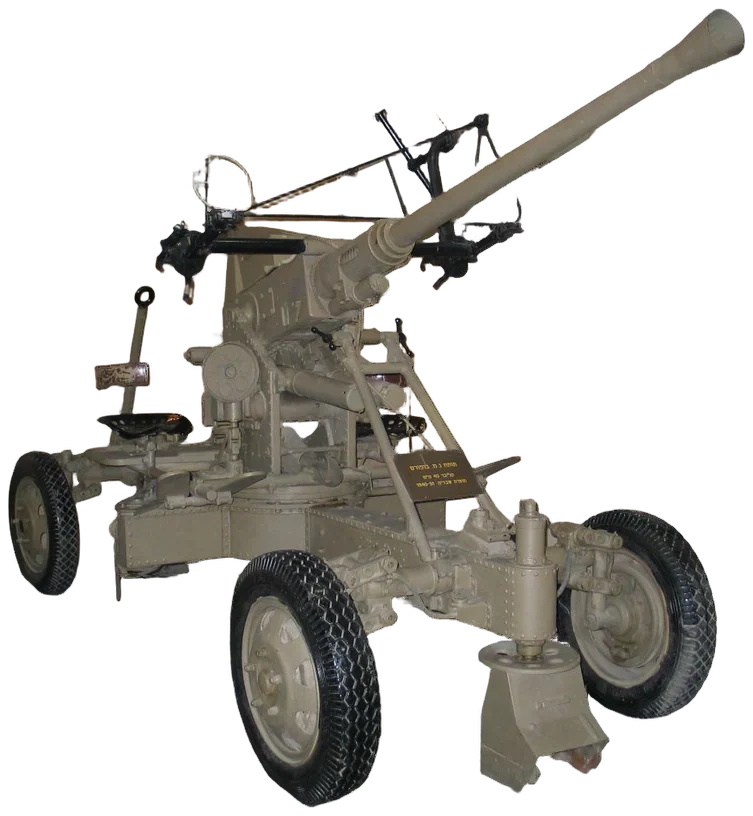 Bofors 40 mm
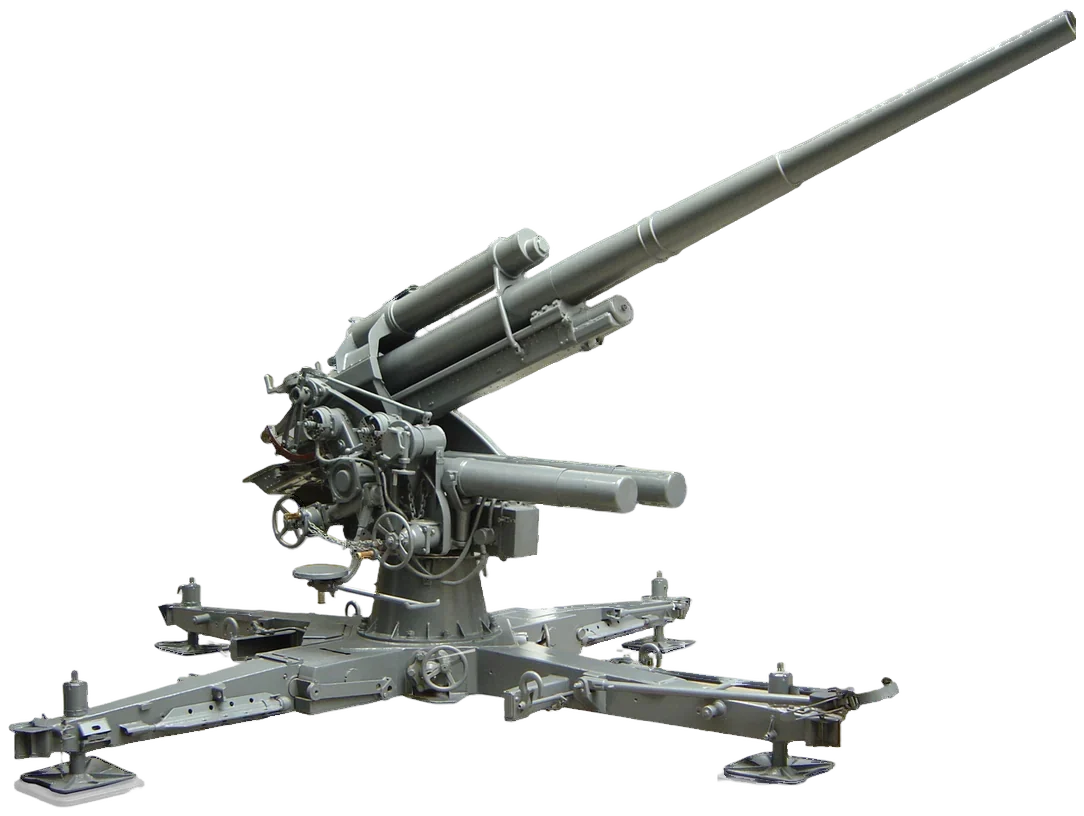 8.8 cm Flak
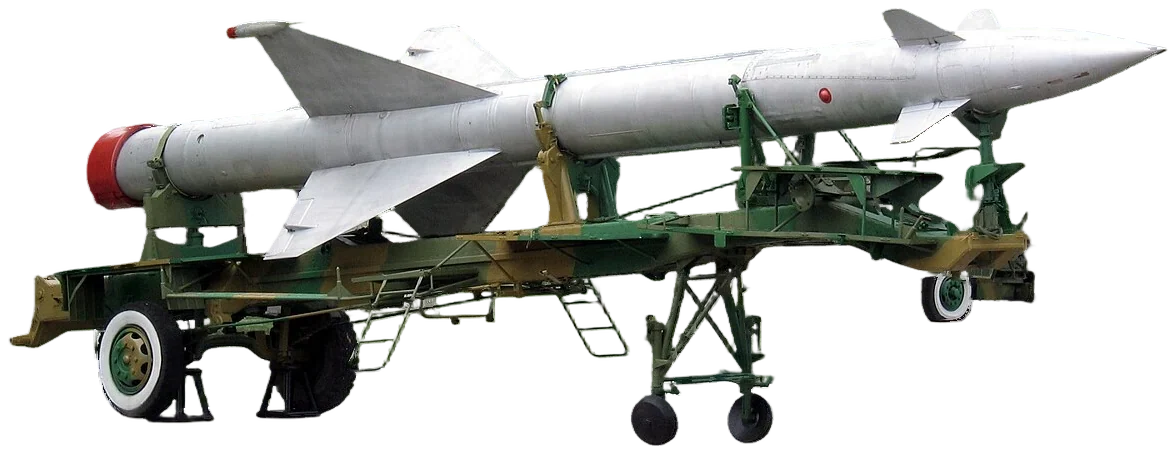 S-25 Berkut
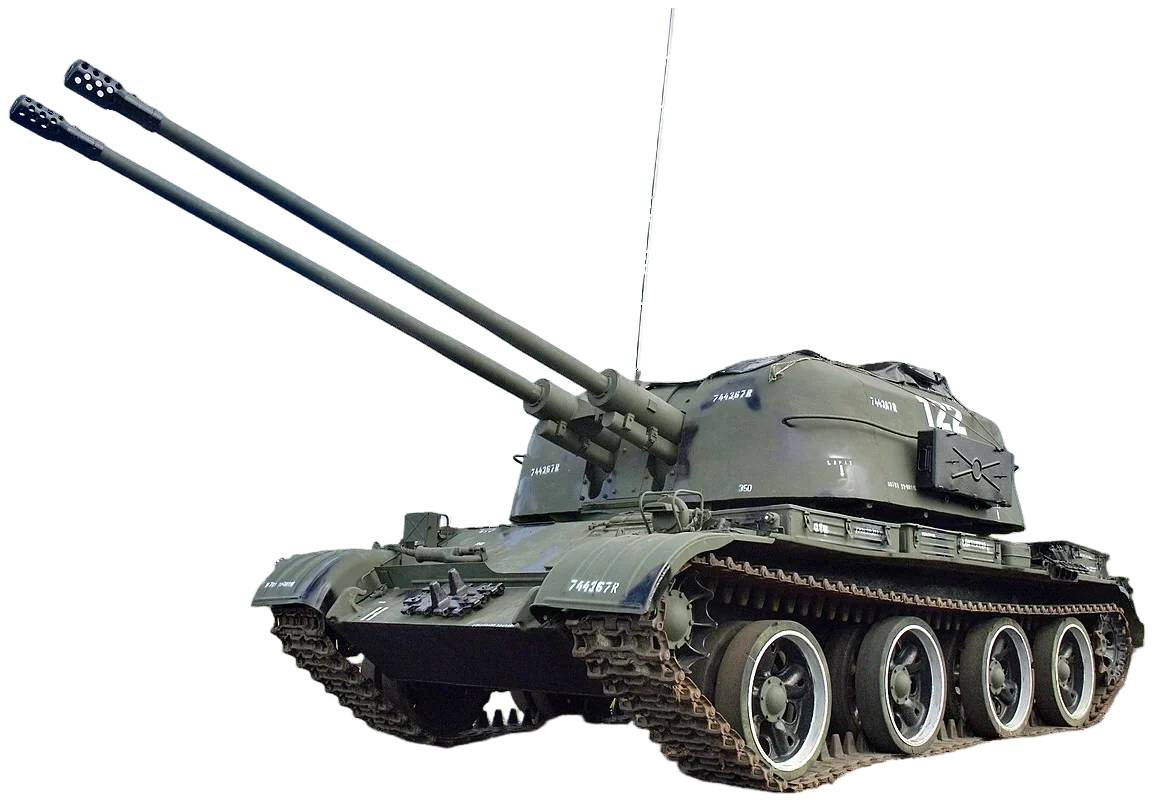 ZSU-57-2
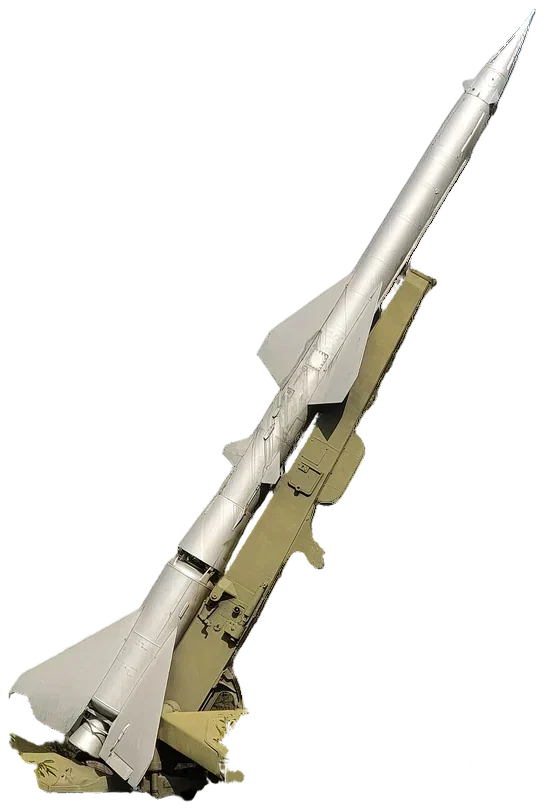 S-75 DvinaNike Hercules
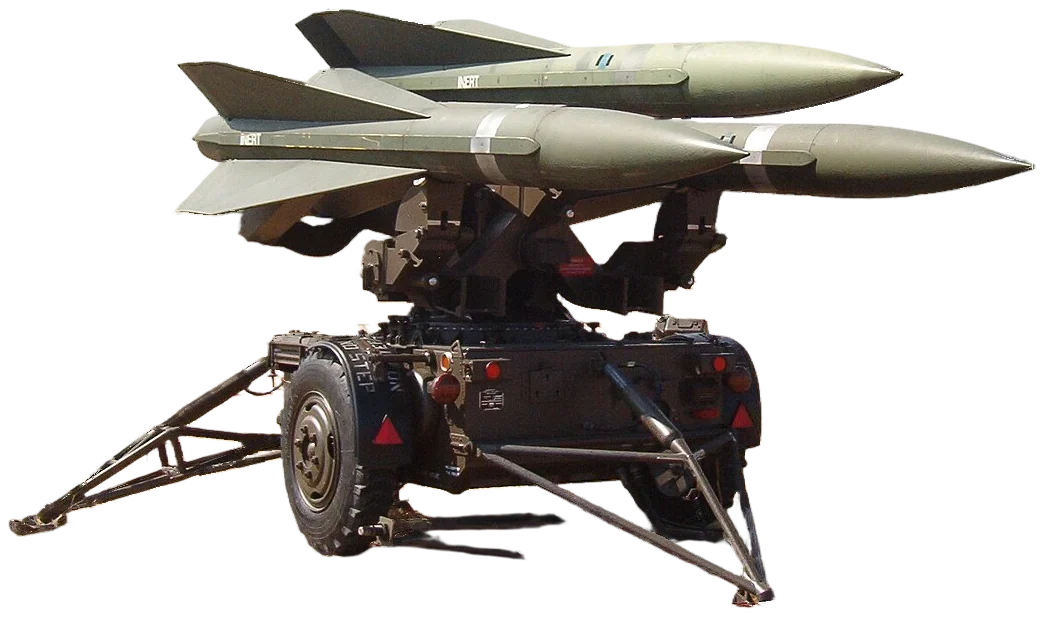 Hawk
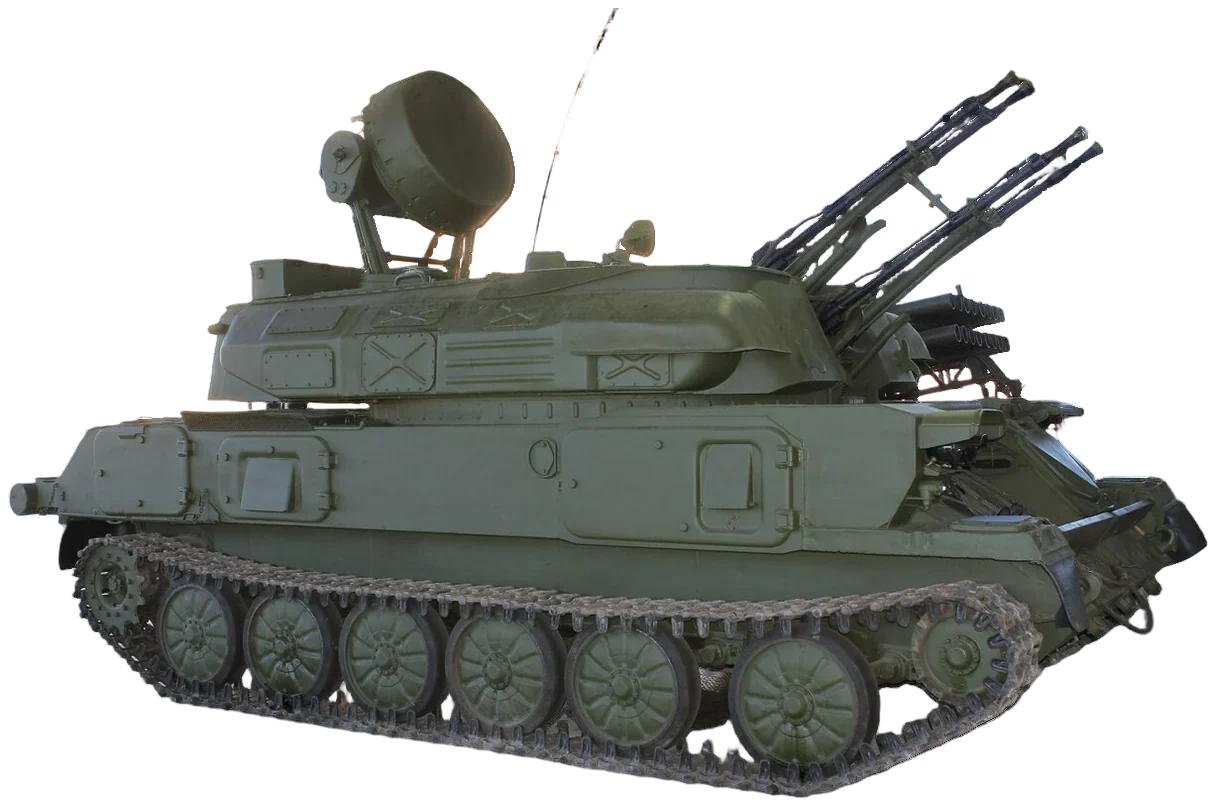 ZSU-23-4 Shilka
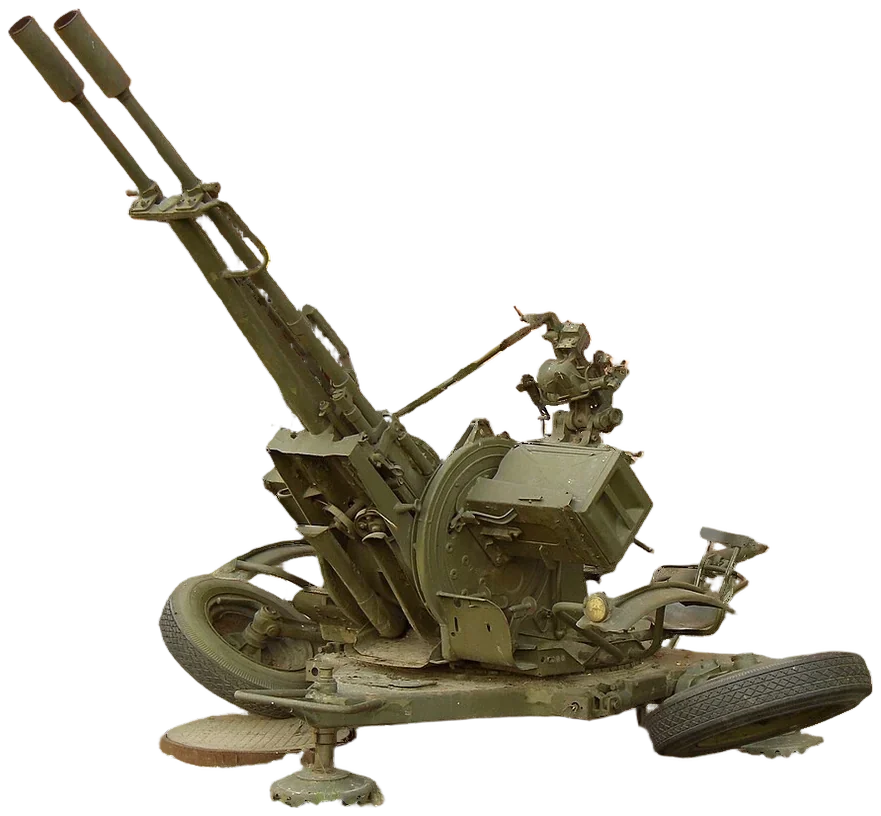 ZU-23-2S-125 Neva/Pechora
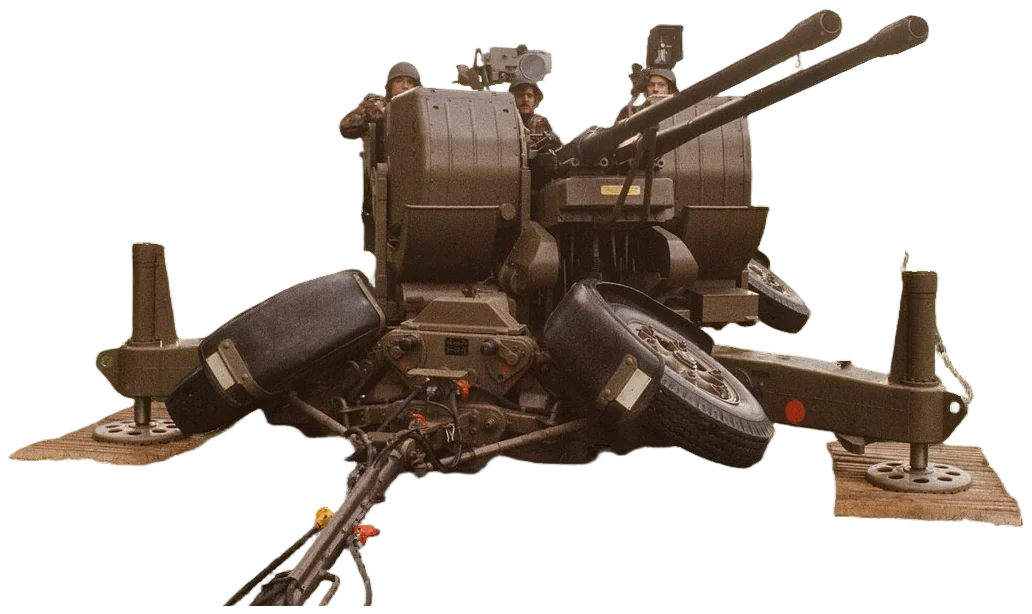 Oerlikon GDF
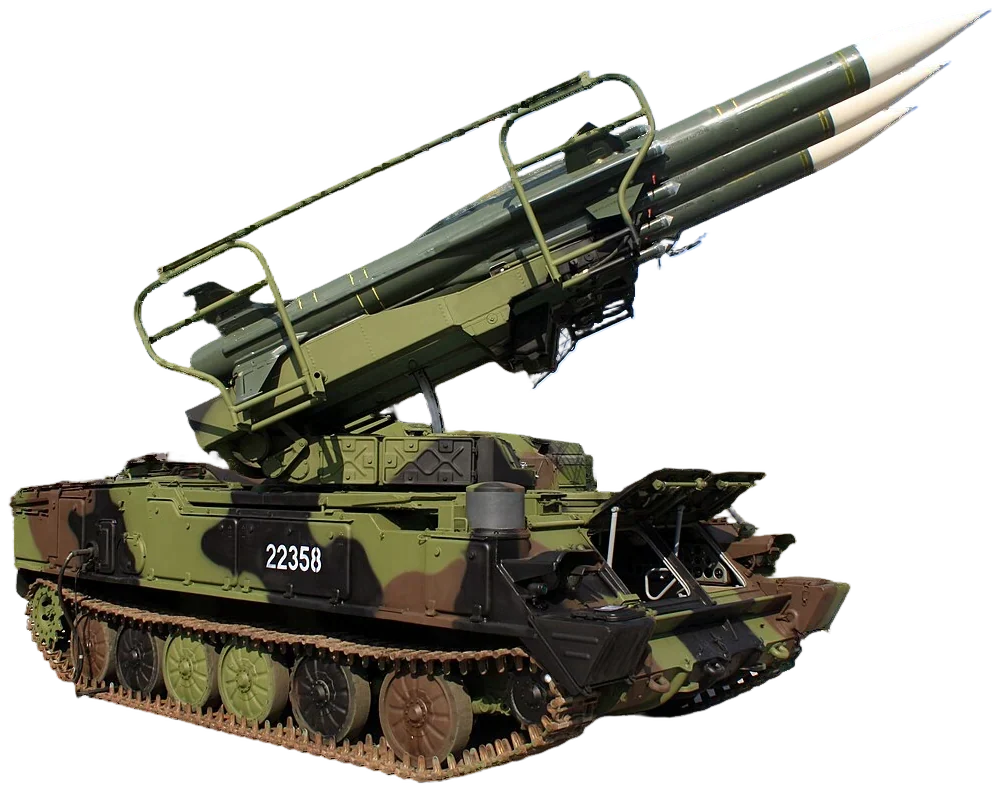 2K12 Kub
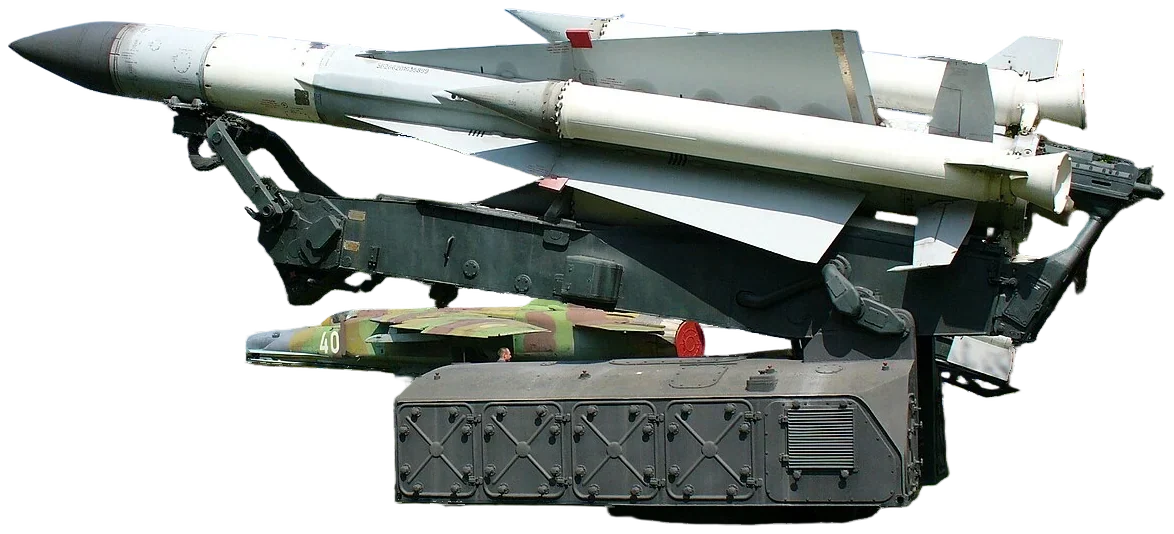 S-200M163 VADS
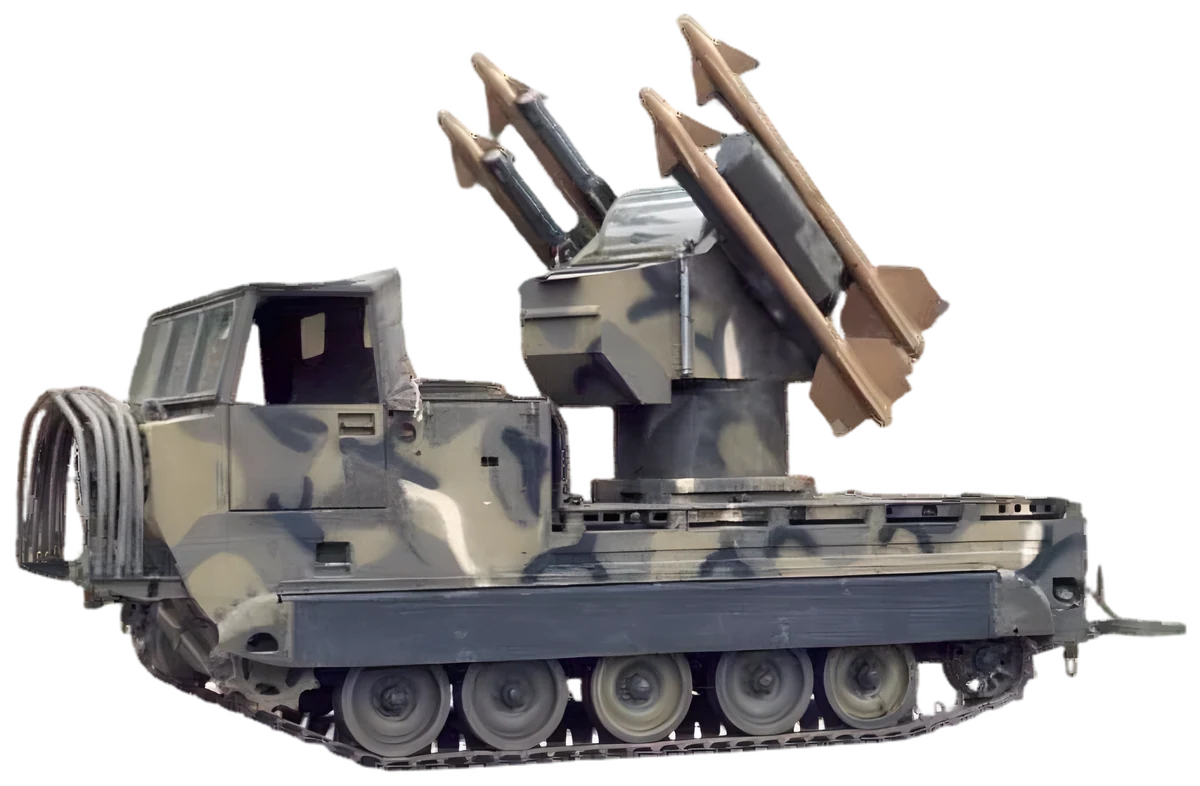 Chaparral
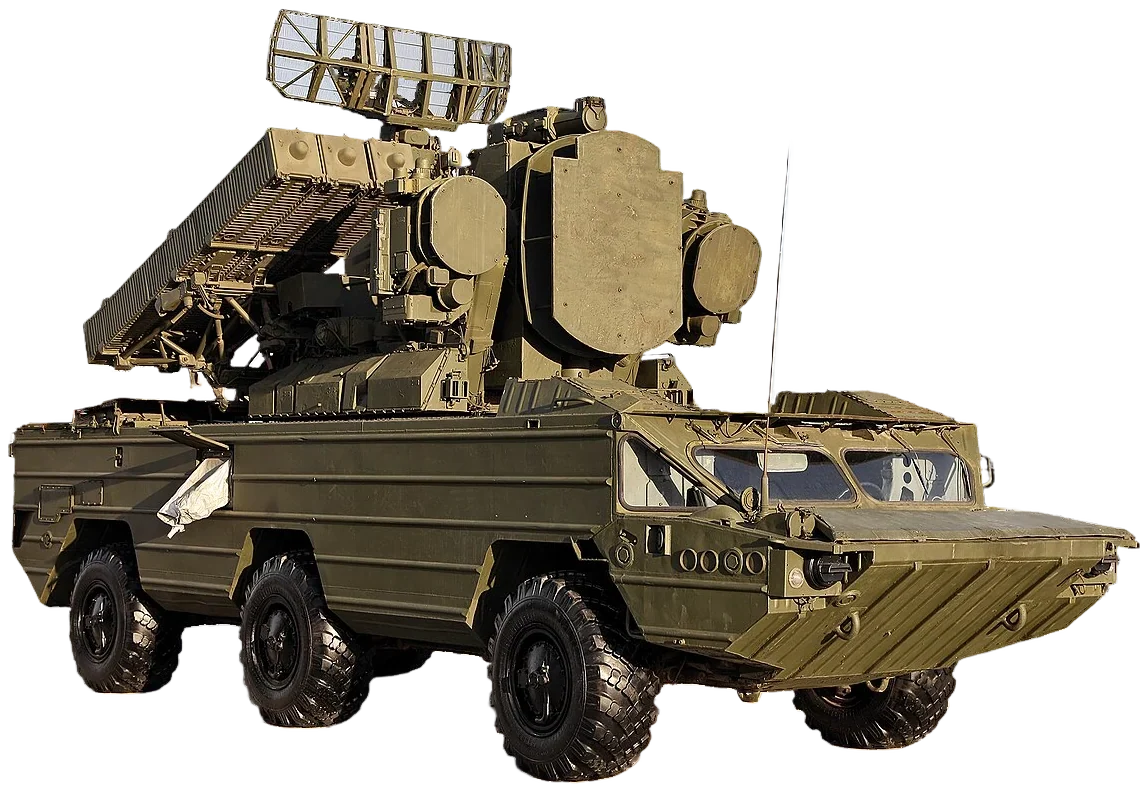 9K33 Osa
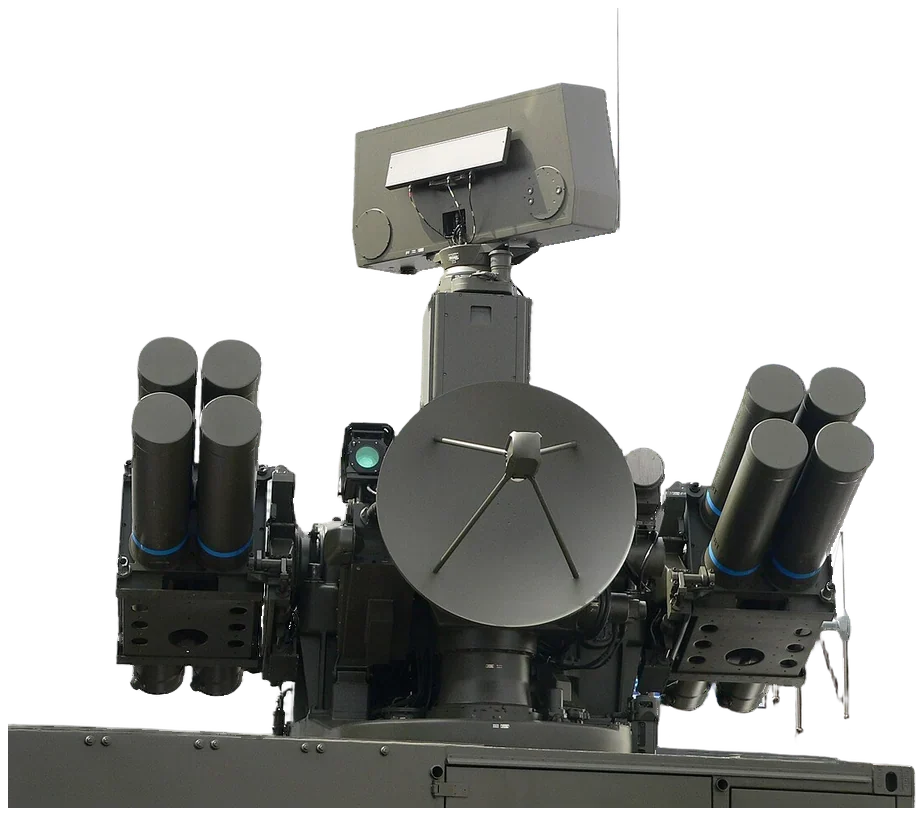 Crotale
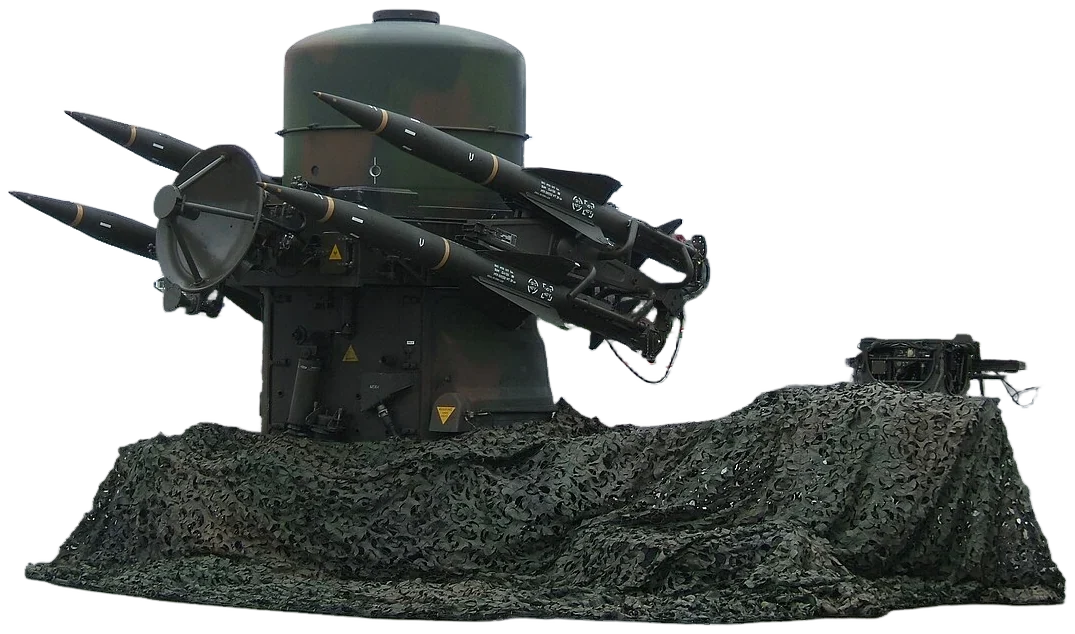 Rapier
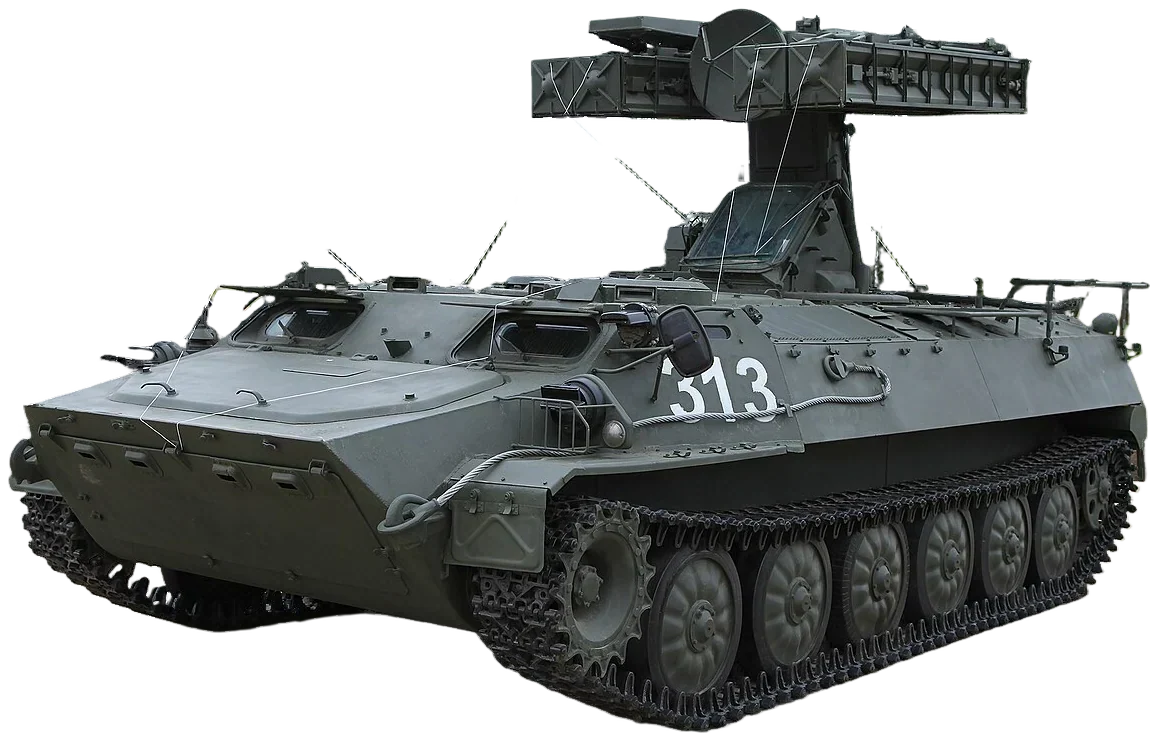 9K35 Strela-10
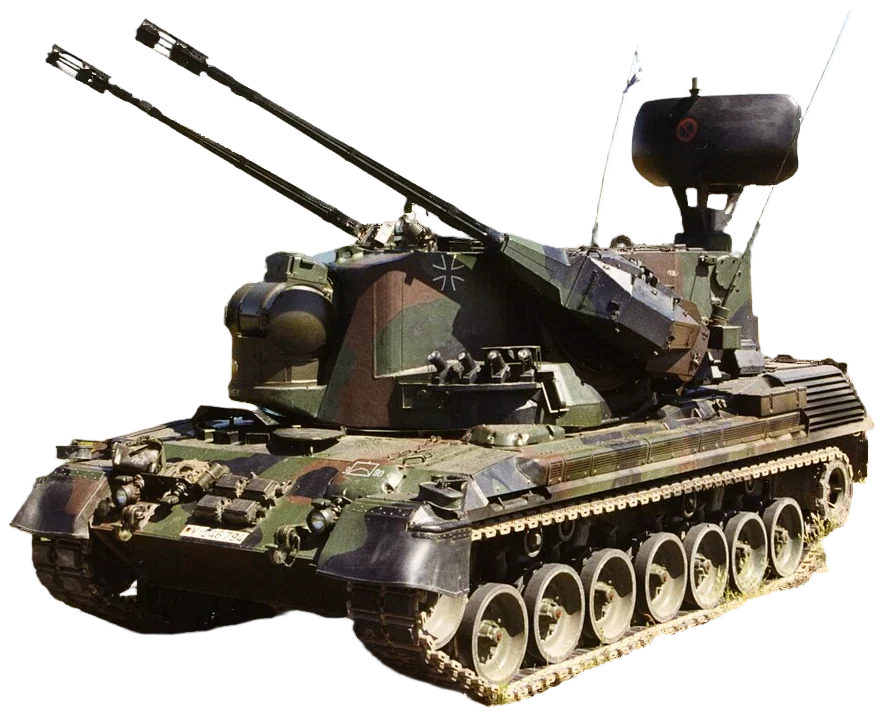 Gepard
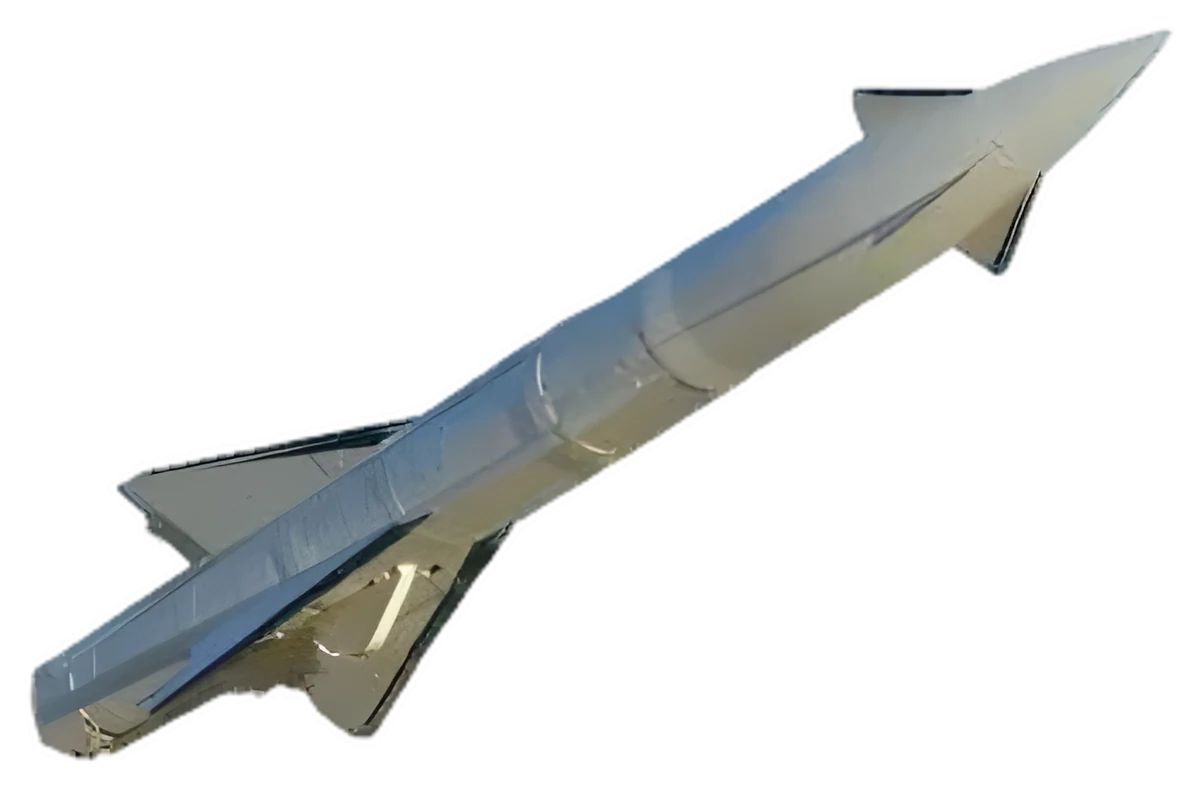 Roland
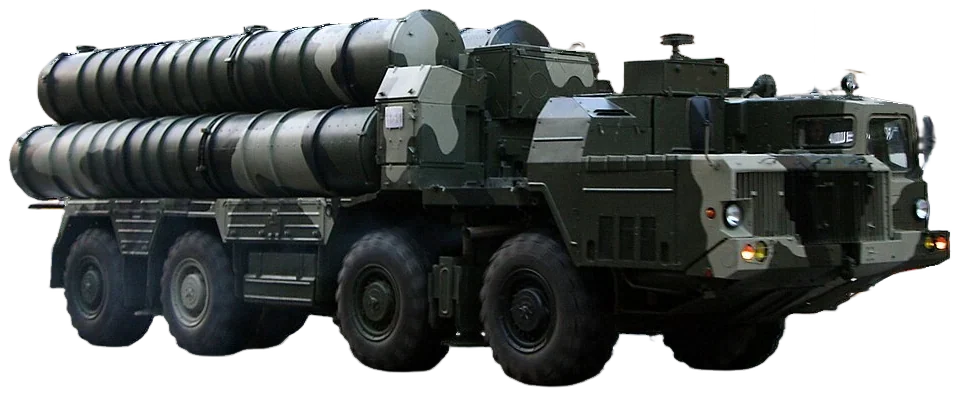 S-300BukPatriot2K22 Tunguska
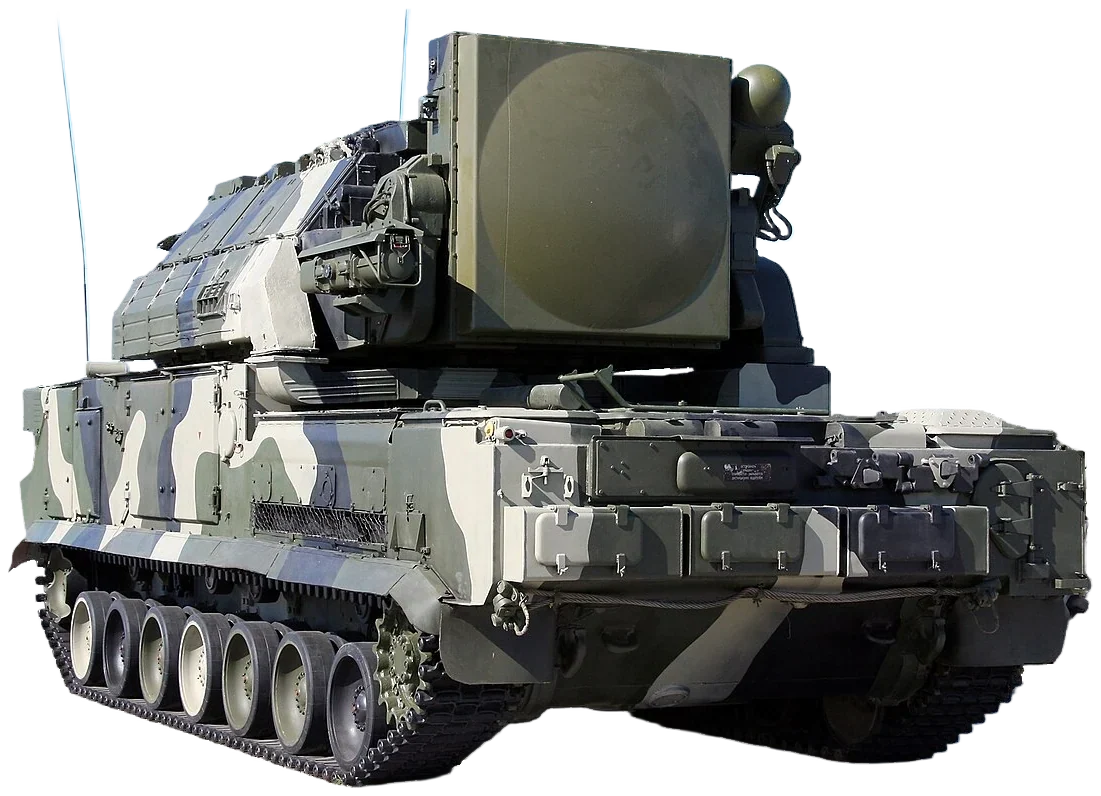 Tor
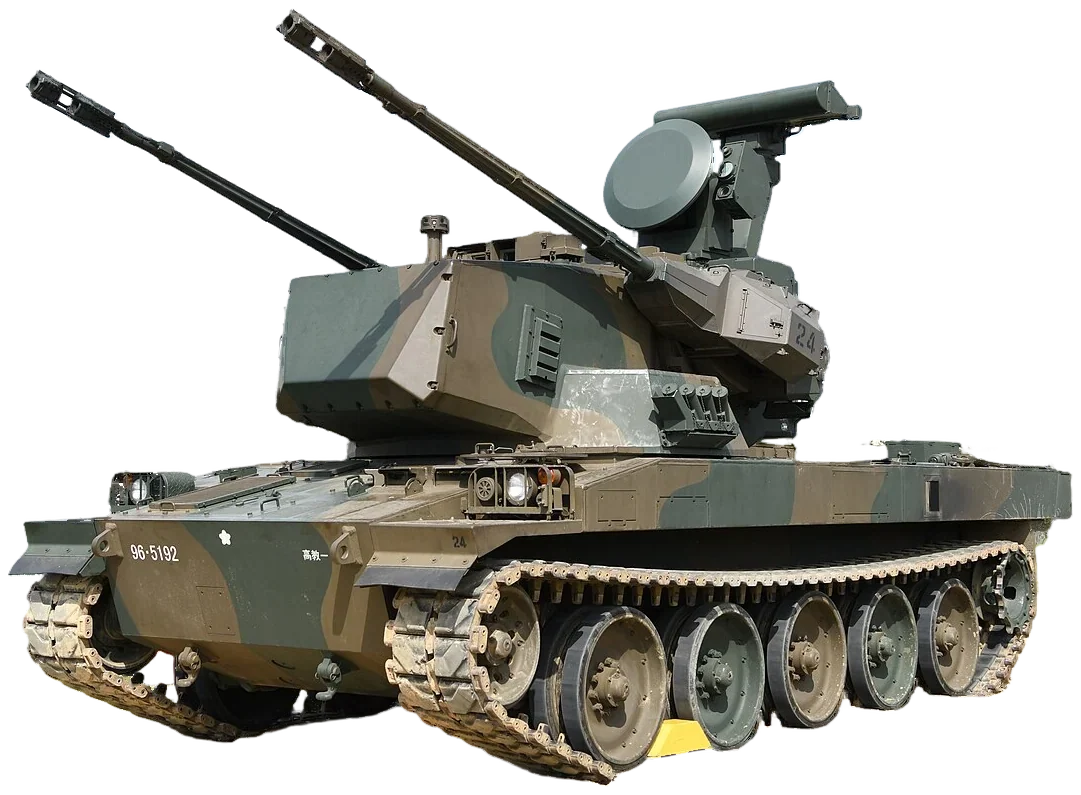 Type 87HQ-7
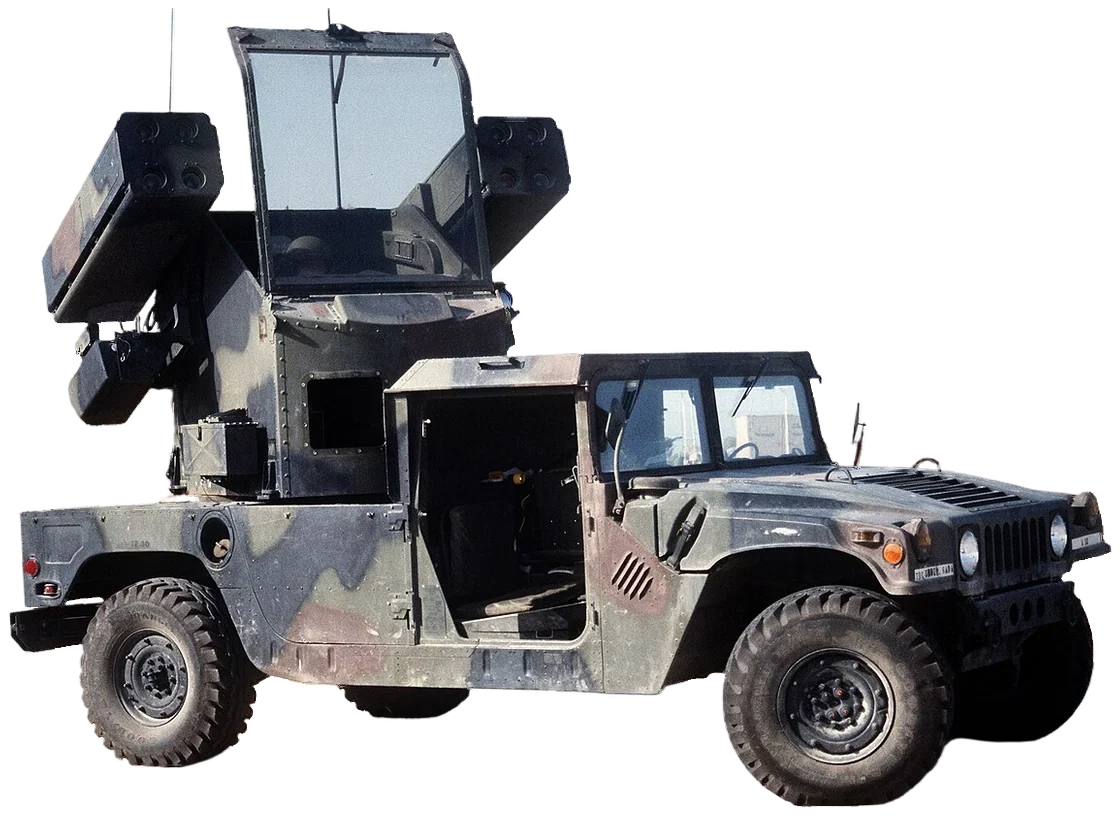 Avenger
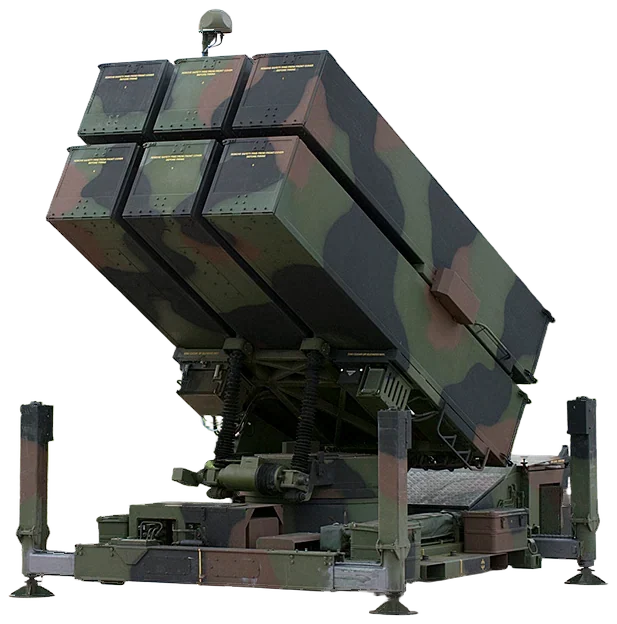 NASAMS
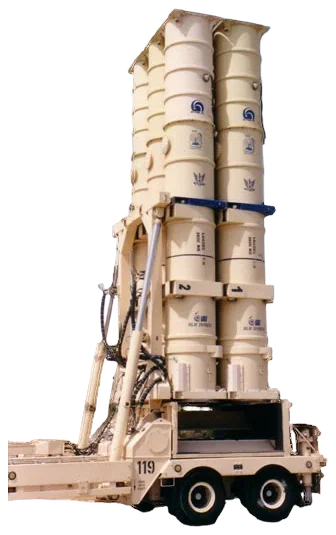 Arrow
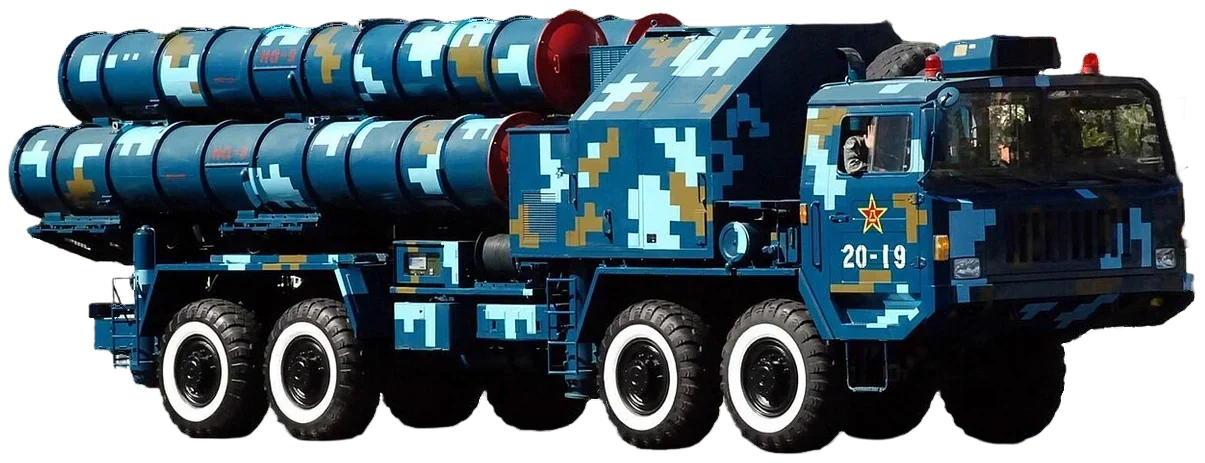 HQ-9
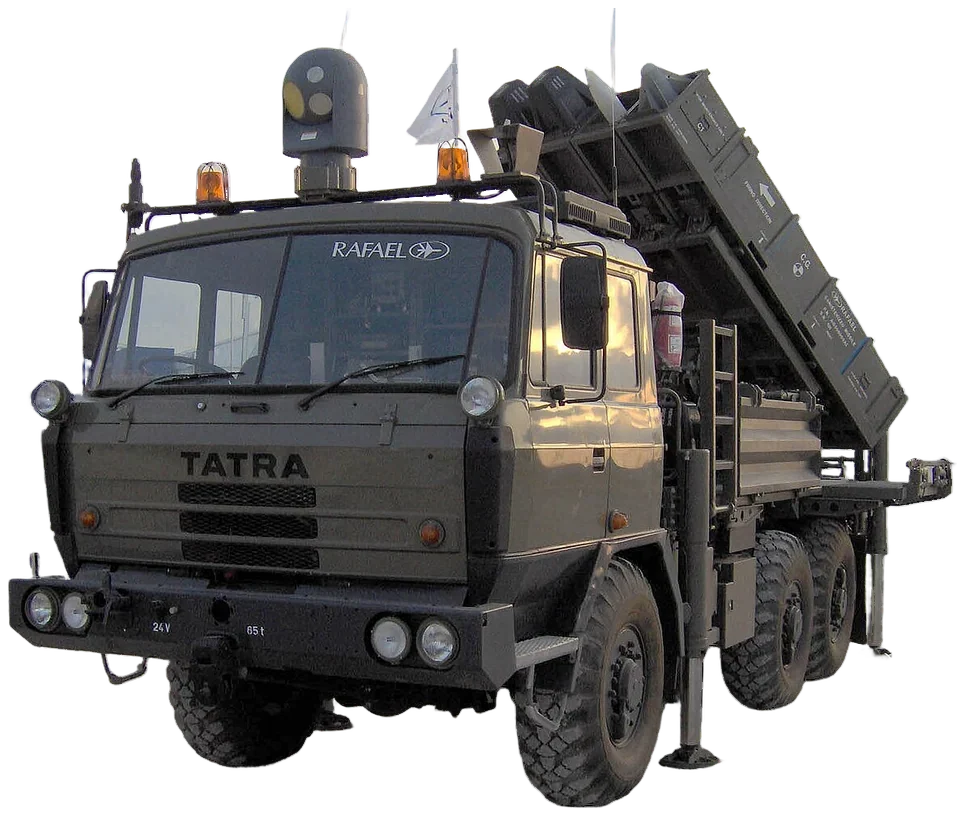 SPYDER
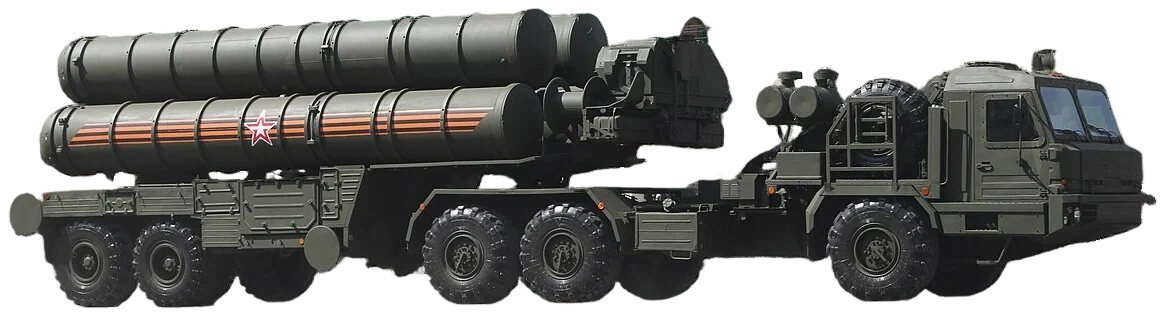 S-400THAAD
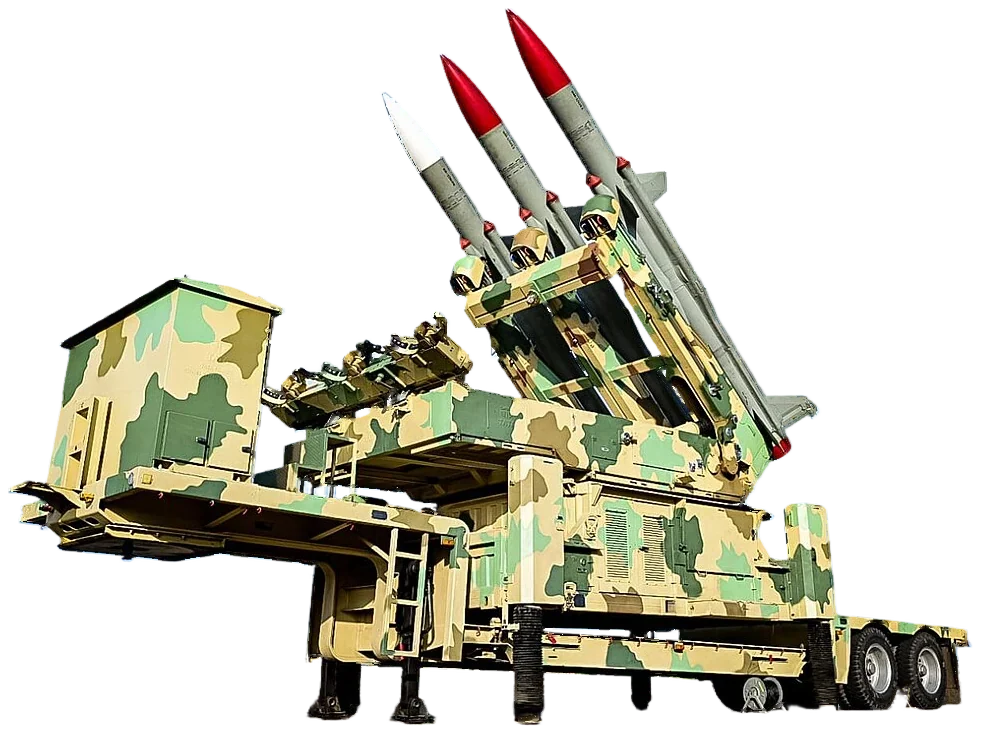 Akash
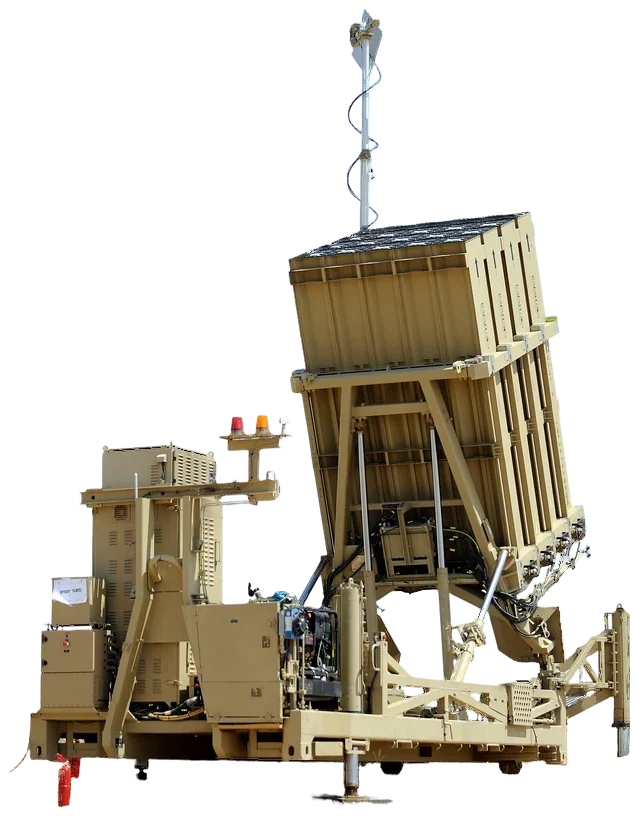 Iron Dome
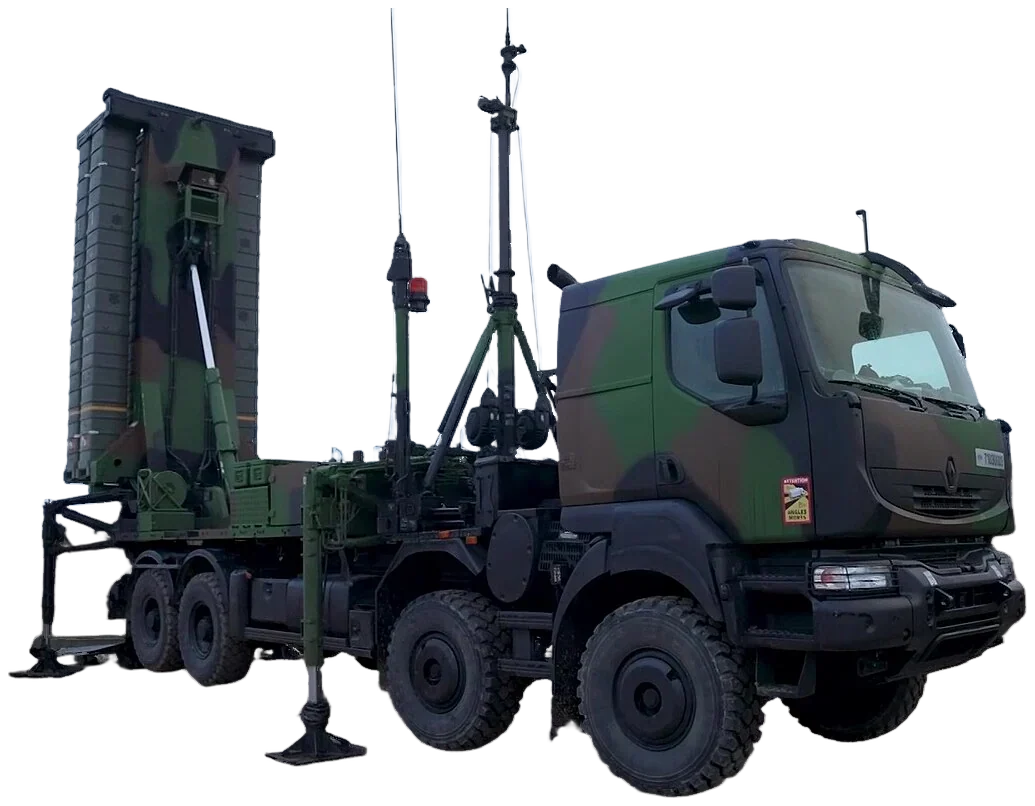 SAMP/T
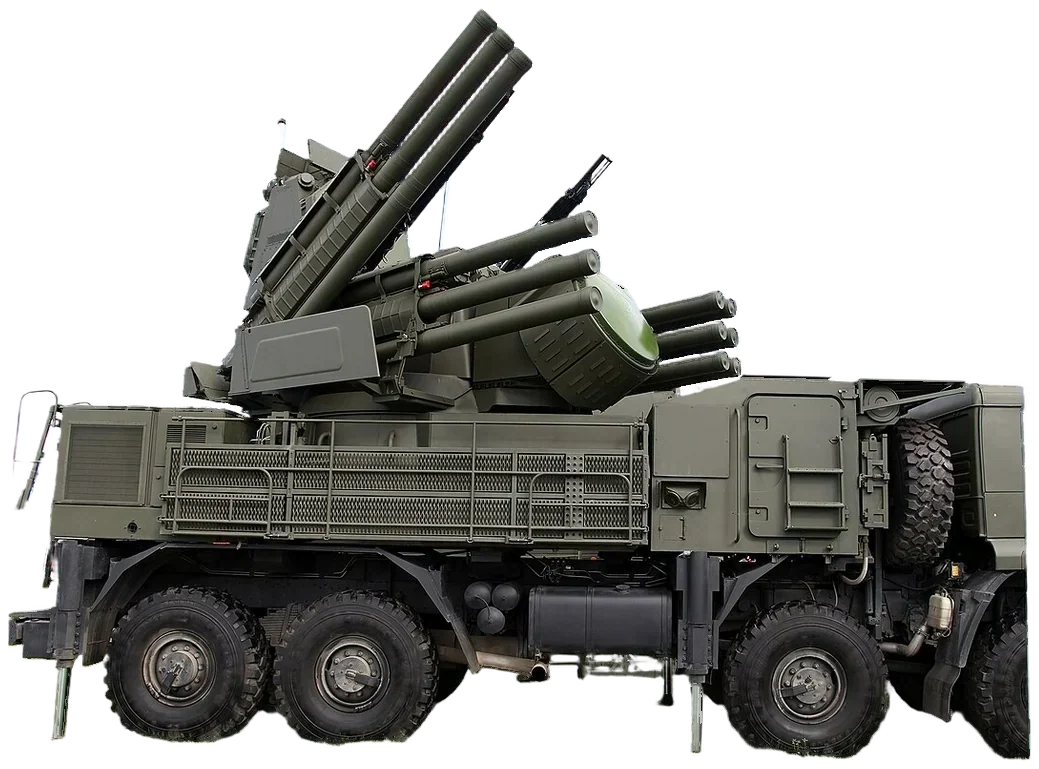 Pantsir
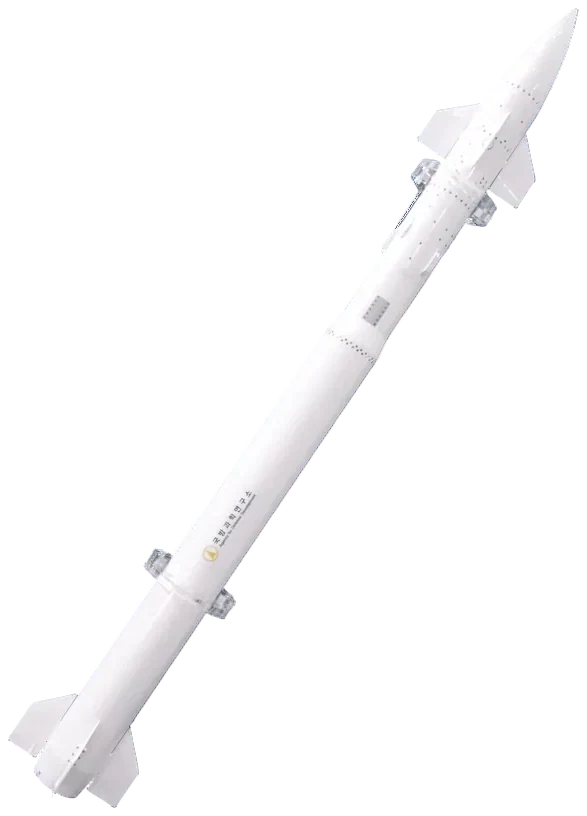 KM-SAM
 Barak 8Korkut
 David's Sling
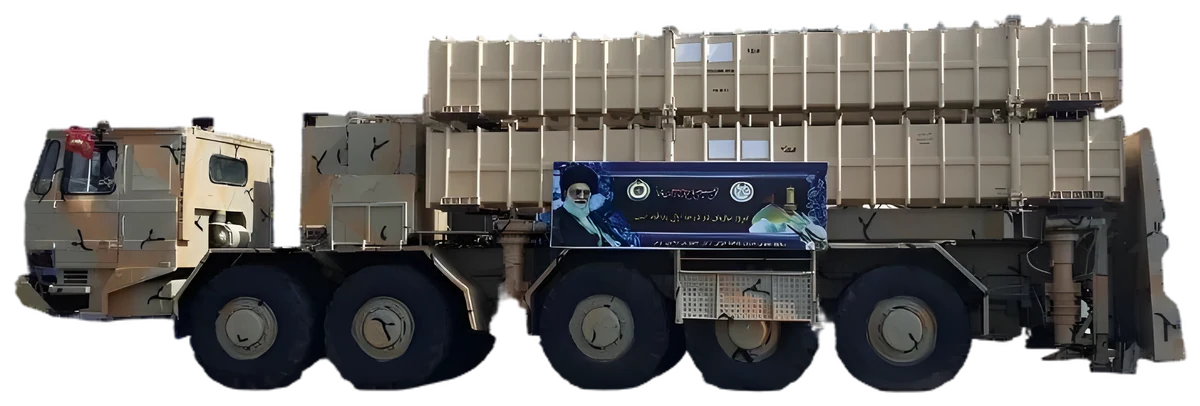 Bavar-373
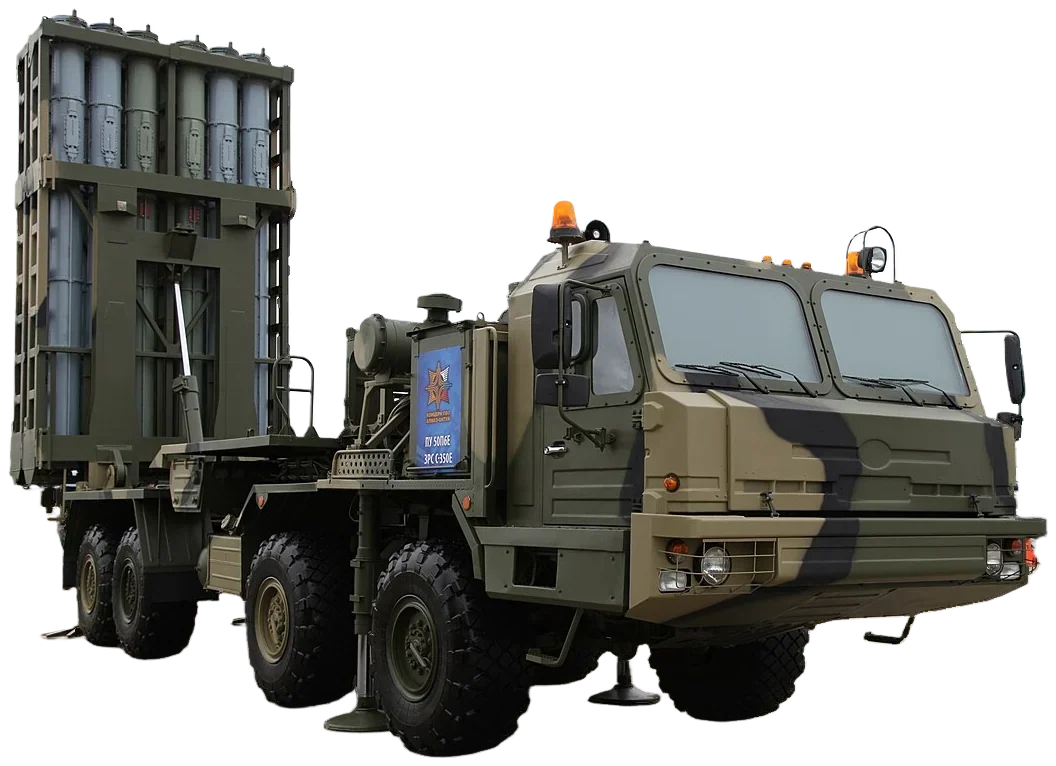 S-350 Vityaz
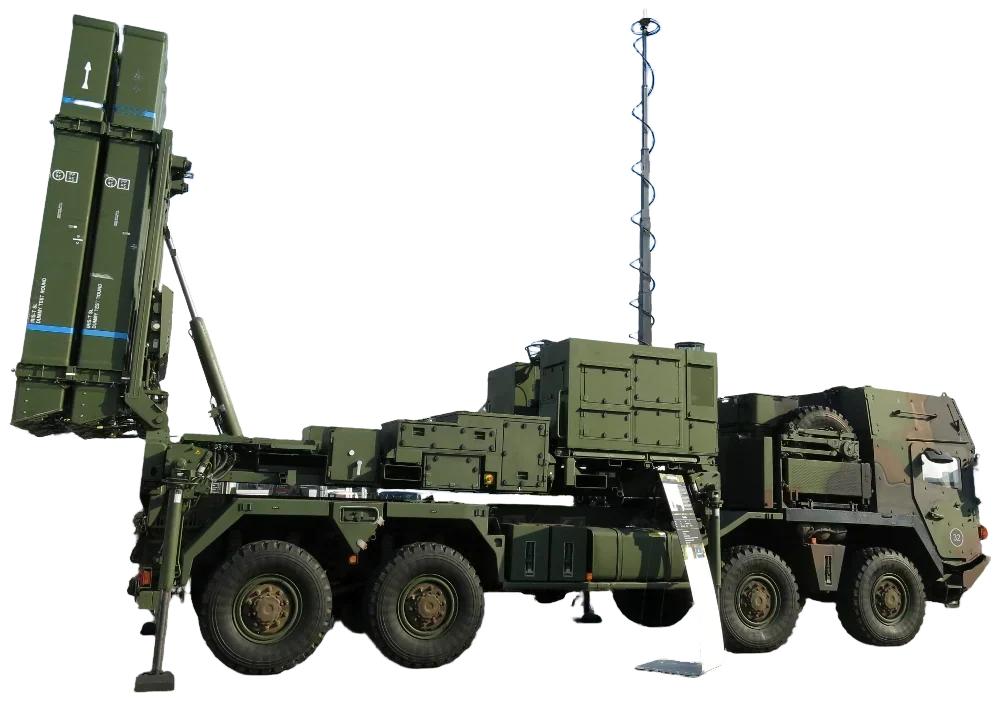 IRIS-T SLSiperHisar
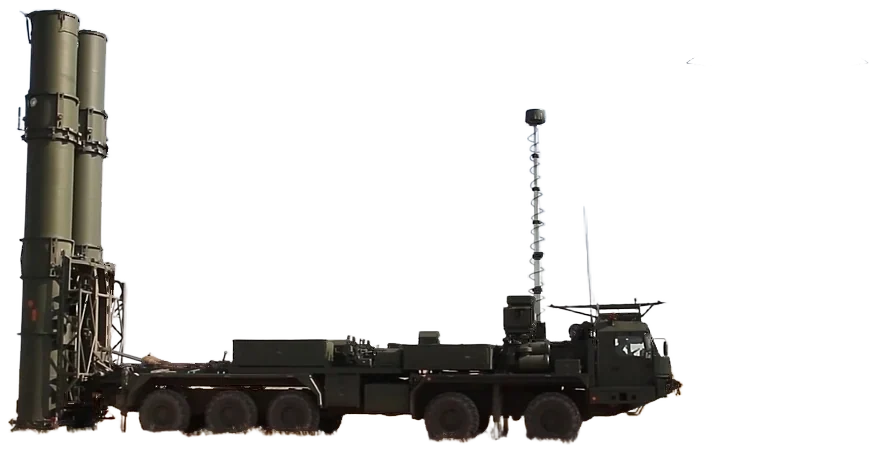 S-500
Overview
S-125 Neva/Pechora is an air defence system from the Soviet Union, made by JSC Defense Systems. It entered service in 1961; production began in 1961. It engages aircraft and missiles at up to 25 km and 18 km altitude. It is used or was used by Azerbaijan, the Soviet Union, Algeria, Angola and 38 other countries, and saw combat in the Second Karabakh War, the Russo-Ukrainian War, the Iraq War, among others.
Specifications
Armament
- Maximum range of fire
- 15 km
- Rockets or missiles ready to fire
- 4
- Engagement range
- 25 km
- Engagement altitude
- 18,000 m
Dimensions and weights
- Weight
- 1 t
- Length
- 6.09 m
Mobility and protection
- Road speed
- 3 km/h
Variants
Neva-M1Pechora 2Pechora 2MNewa SC
Users & conflicts

Operators Algeria
 Angola
 Armenia
 Azerbaijan
 Bulgaria
 Cuba
 Egypt
 Ethiopia
 India
 Kazakhstan
 Kyrgyzstan
 Moldova
 Mongolia
 Myanmar
 North Korea
 Peru
 Poland
 Serbia
 Syria
 Tajikistan
 Turkmenistan
 Ukraine
 Uzbekistan
 Venezuela
 Vietnam
 Afghanistan
 Belarus
 Cambodia
 CzechoslovakiaCzech RepublicEast Germany
 Finland
 Georgia
 Hungary
 Iraq
 Libya
 Yemen
 Russia
 Slovakia
 SomaliaSoviet Union
 Yugoslavia
AlgeriaAngolaArmeniaAzerbaijanBulgariaCubaEgyptEthiopiaIndiaKazakhstanKyrgyzstanMoldovaMongoliaMyanmarNorth KoreaPeruPolandSerbiaSyriaTajikistanTurkmenistanUkraineUzbekistanVenezuelaVietnamAfghanistanBelarusCambodiaCzechoslovakiaCzech RepublicEast GermanyFinlandGeorgiaHungaryIraqLibyaYemenRussiaSlovakiaSomaliaSoviet UnionYugoslaviaSources
- Wikidata: Q312471, Wikidata
- Wikipedia (de): S-125 Newa, Wikipedia
- Wikipedia (fr): S-125, Wikipedia
- Wikipedia: S-125 Neva/Pechora, Wikipedia
Figures from the infobox of the English Wikipedia article, completed from Wikidata and the article in other languages where it gives none; where there are several versions, the first one given. Operators include former ones; the side that used a vehicle in a war is derived from its operators.
 EN
 Türkçe
 Français
 Deutsch
 Español
 العربية