
BTR-60
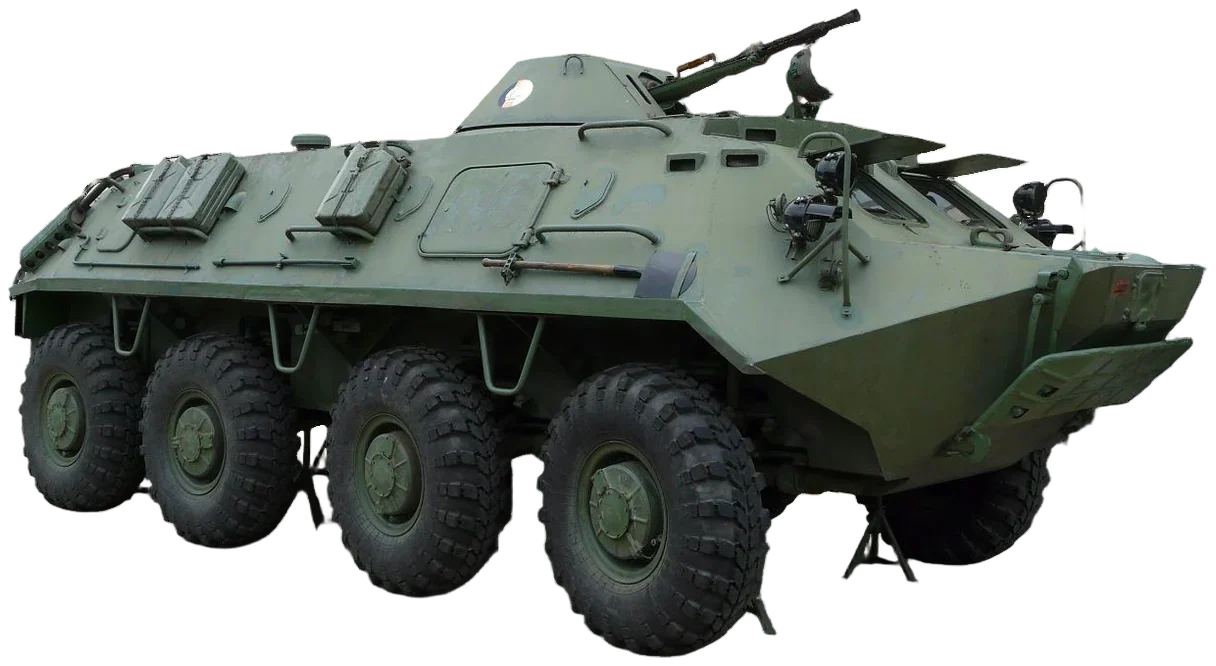
Key specs
- Type
- Armoured personnel carrier
- Origin
 Soviet Union
- Manufacturer
- Gorkovsky Avtomobilny Zavod, Regia Autonomă Pentru Producția De Tehnică Militară
- Designer
- V. A. Dedkov
- Designed
- 1955
- Entered service
- 1959
- Produced
- 1960–1990
- Units produced
- 25,000
- Status
- In service
- Crew
- 3
Armoured personnel carrier
8 / 43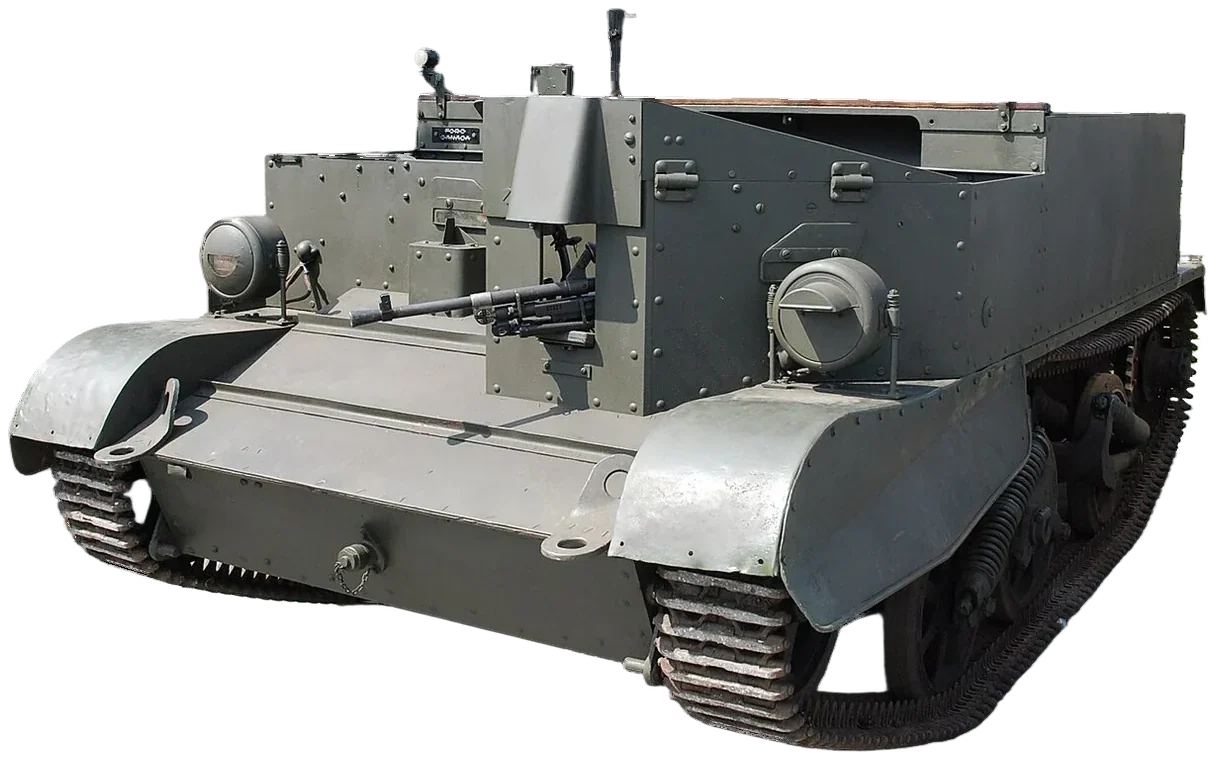 Universal CarrierSd.Kfz. 251M3 half-track
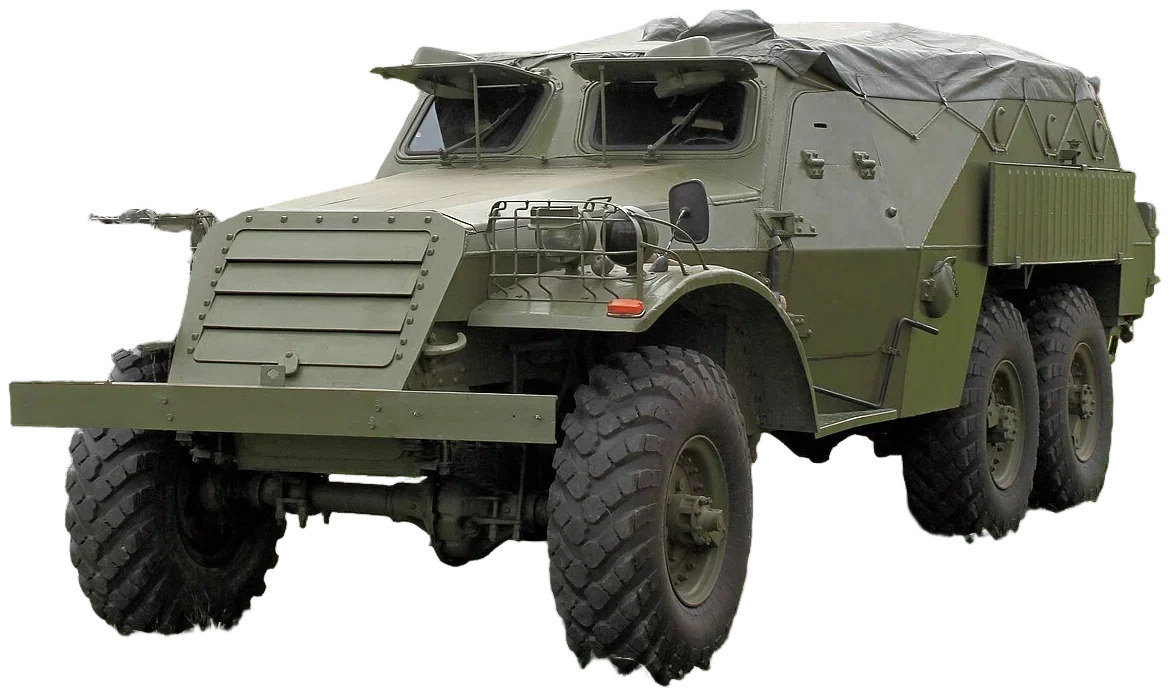 BTR-152
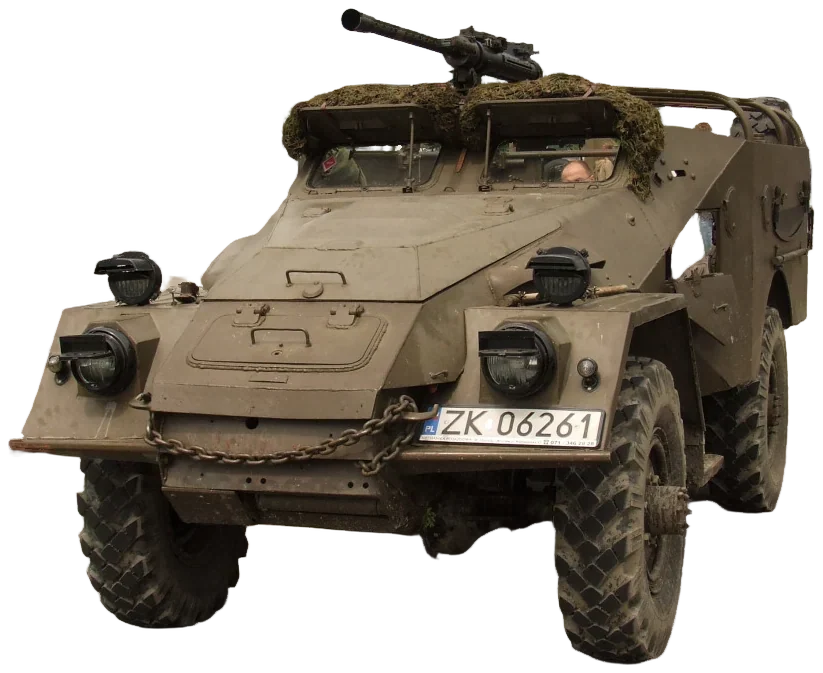 BTR-40
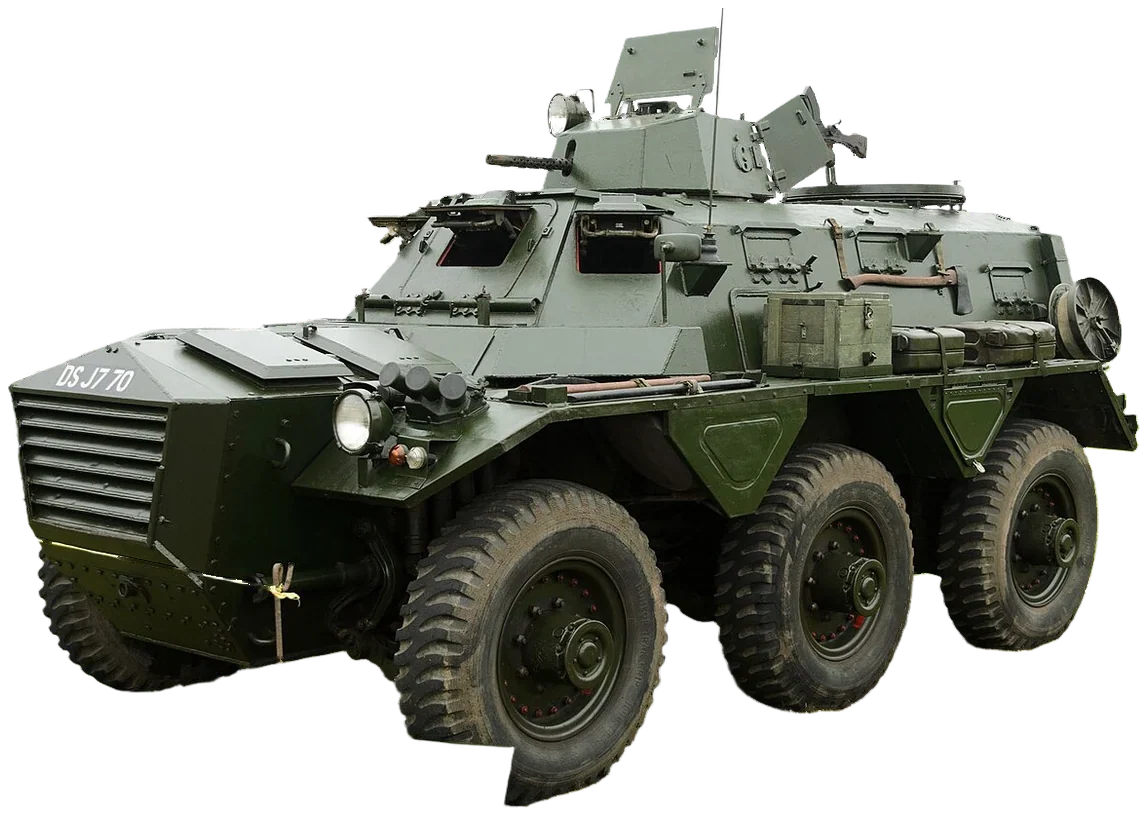 SaracenBTR-50BTR-60M113FV432
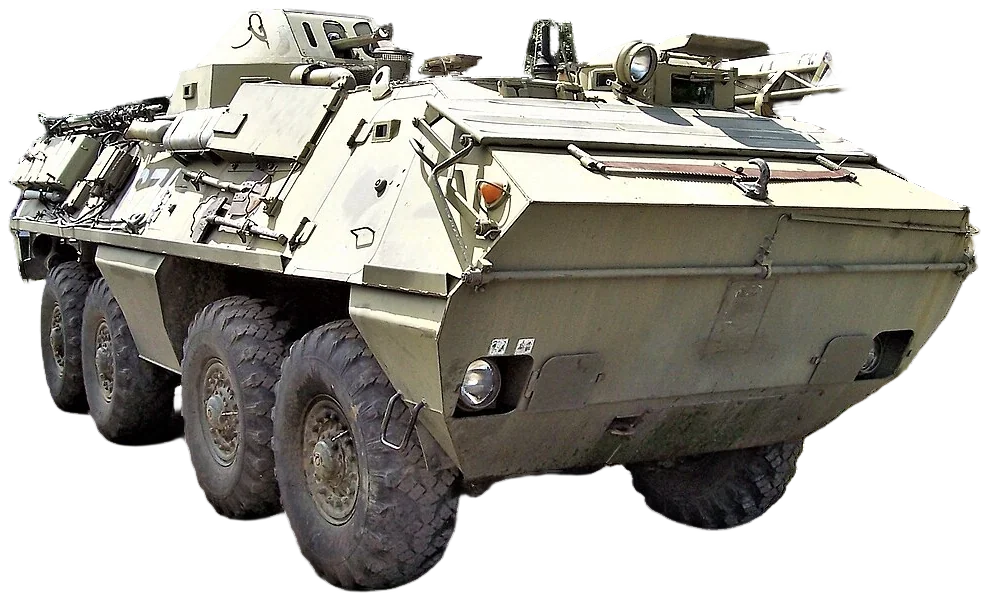 OT-64 SKOT
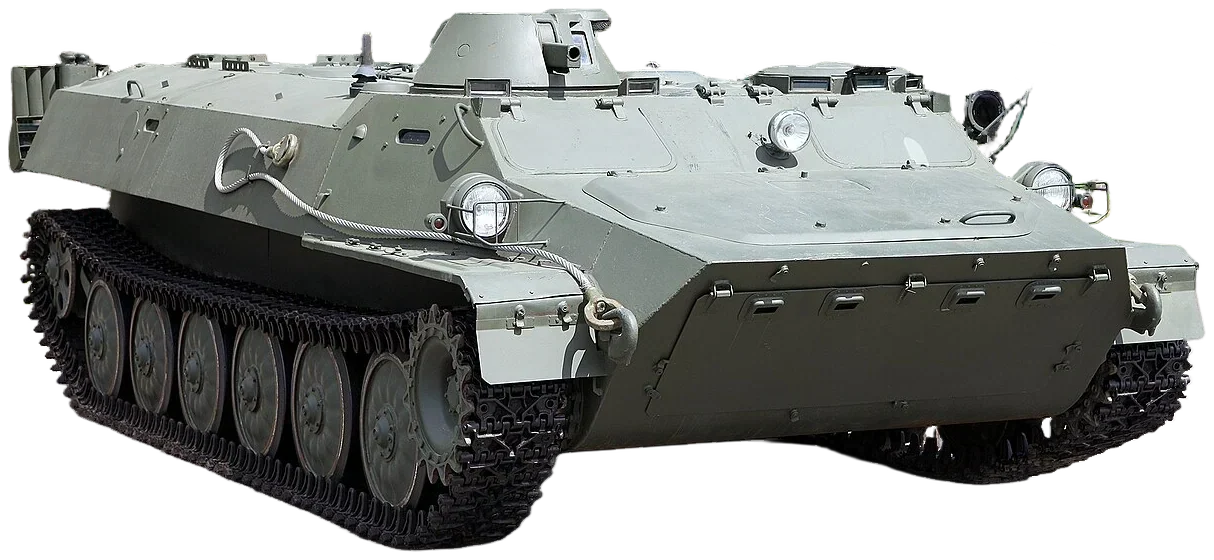 MT-LBAAV-7BTR-70PiranhaType 73
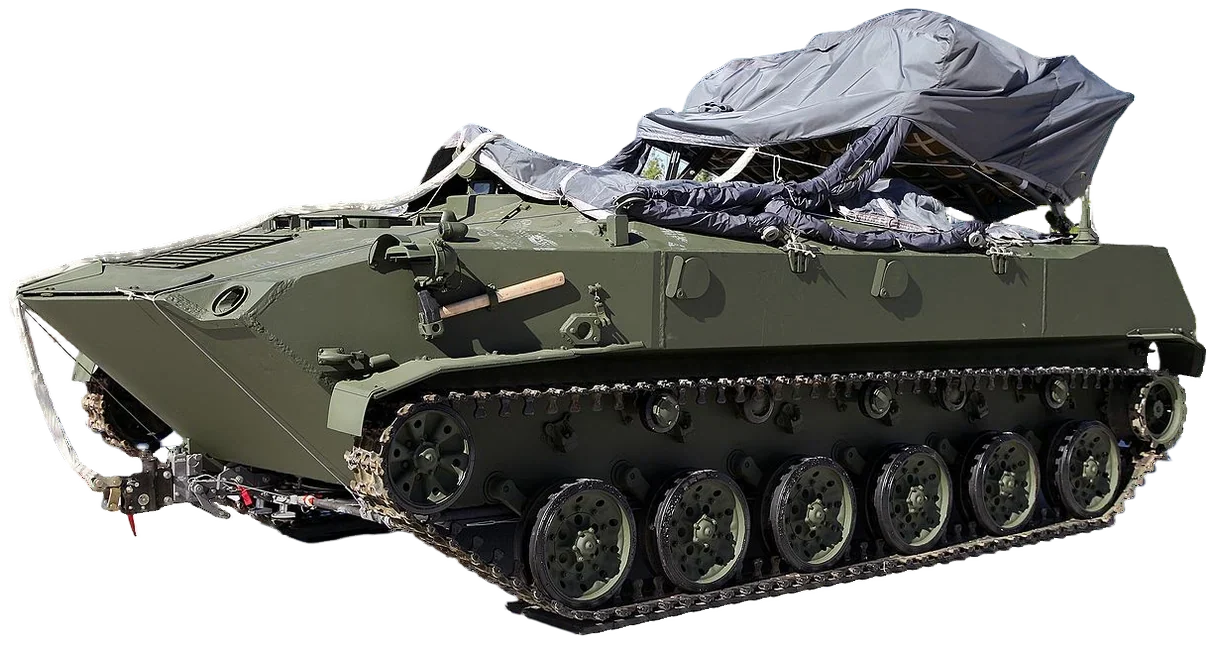 BTR-D
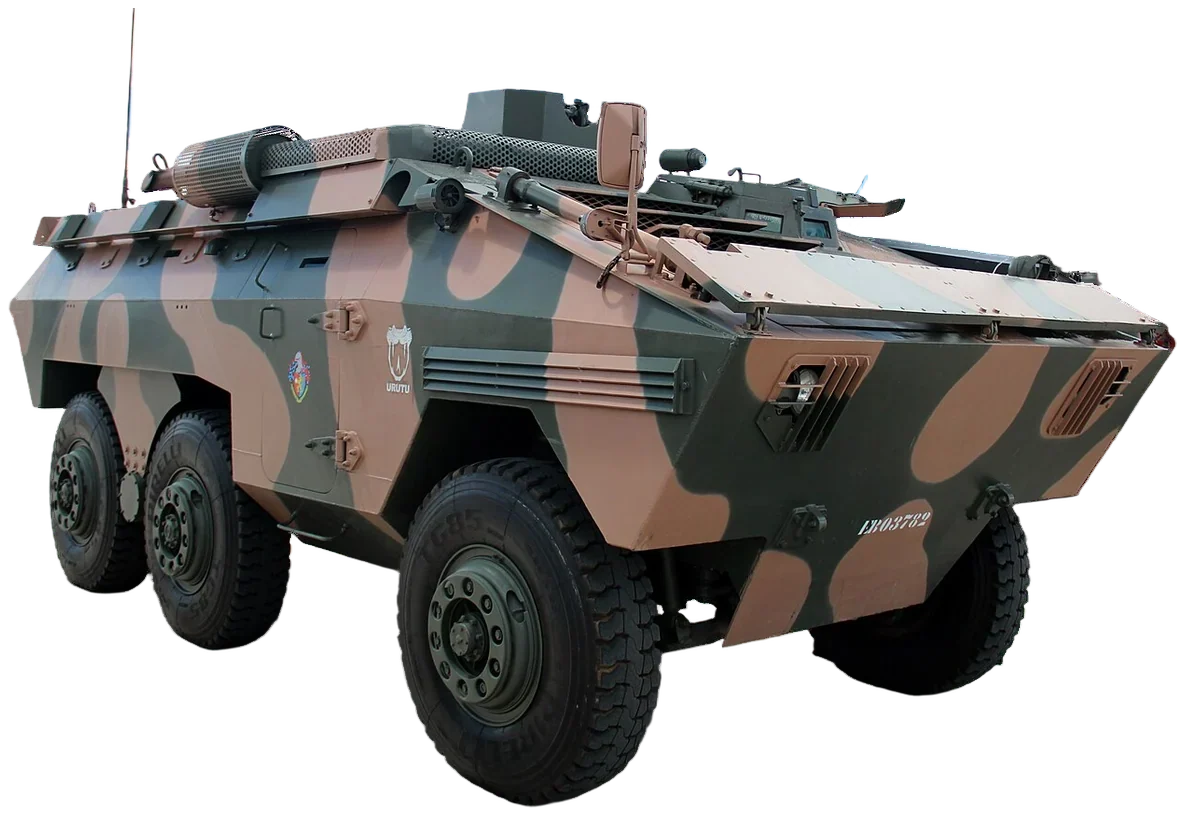 EE-11 UrutuSaxonSpartan
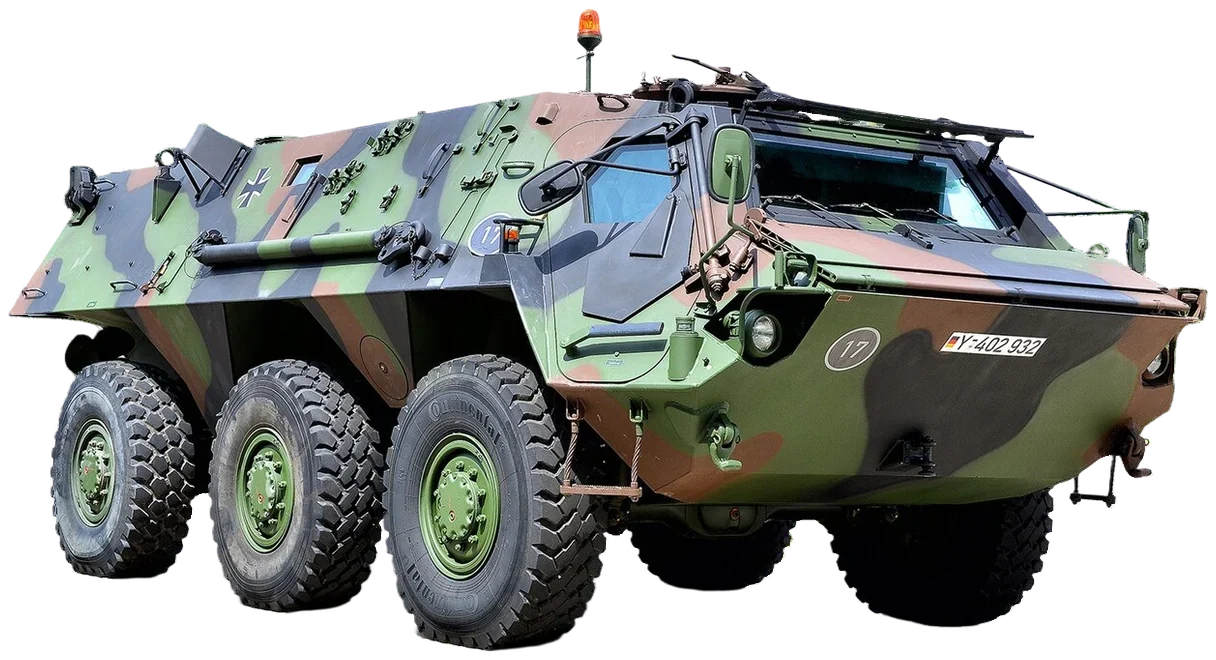 FuchsVABNagmachonPatria PasiK200BTR-80
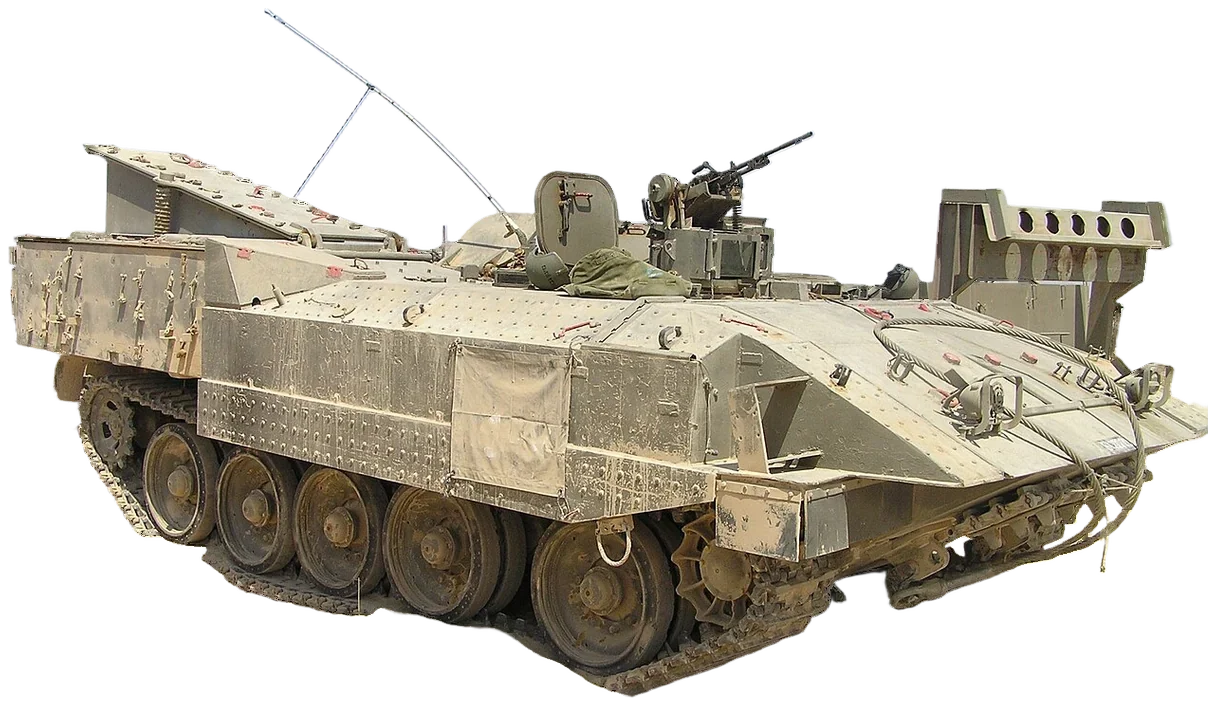 Achzarit
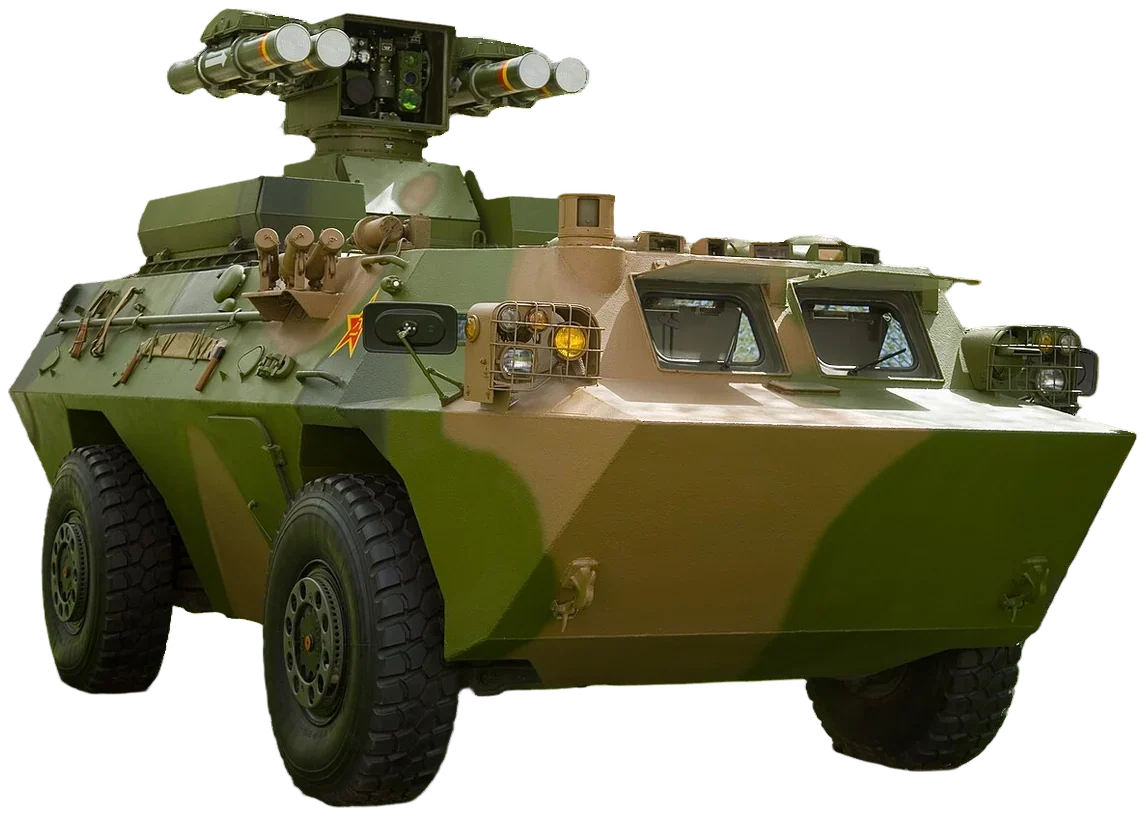 Type 92 (WZ551)Pandur
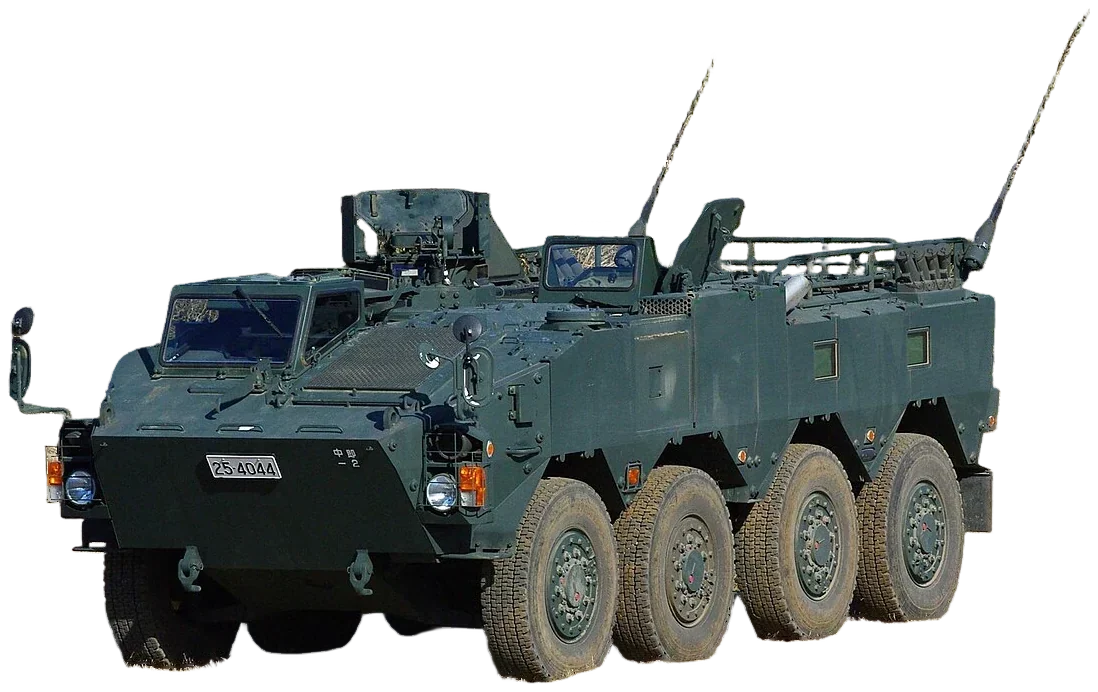 Type 96LAV IIIBTR-3
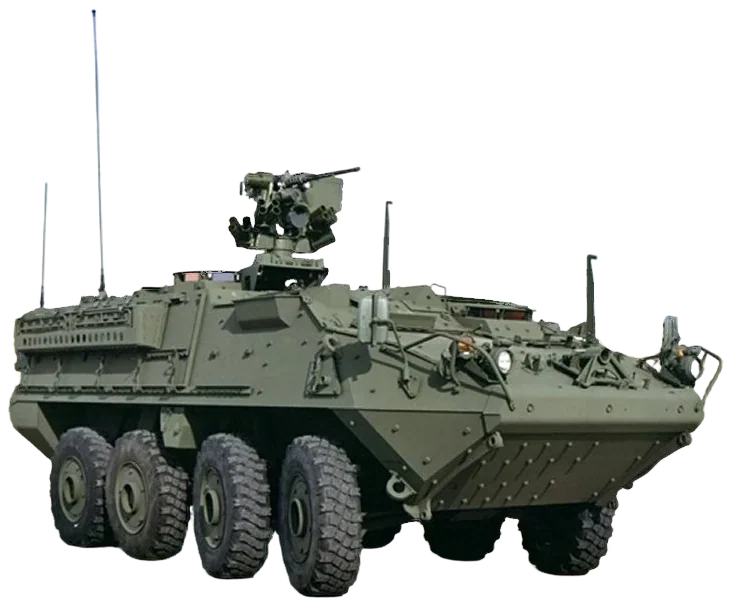 Stryker
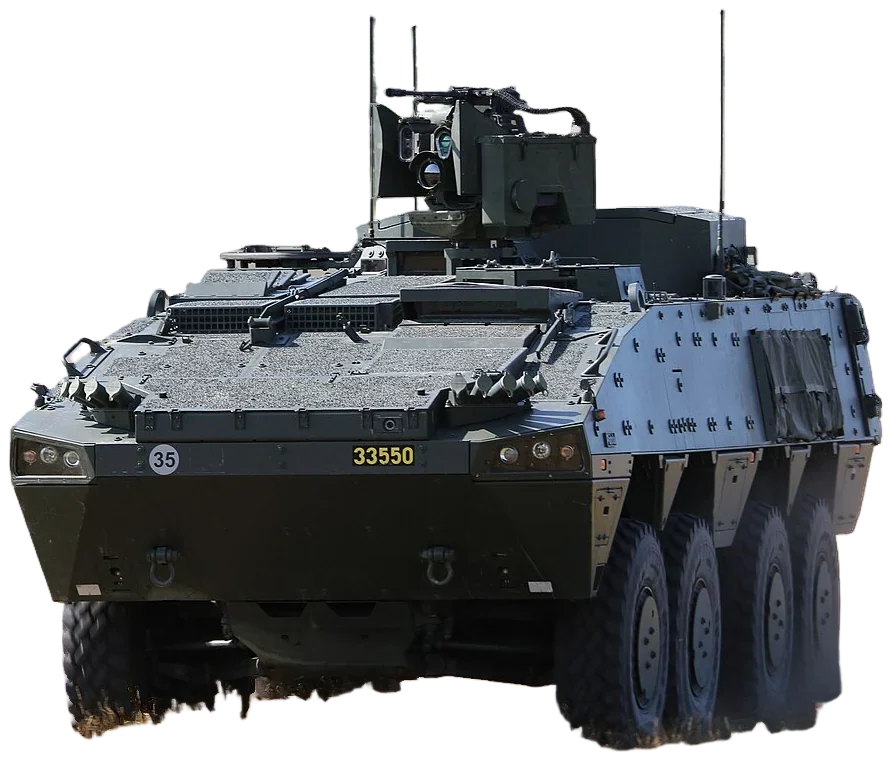 Patria AMV
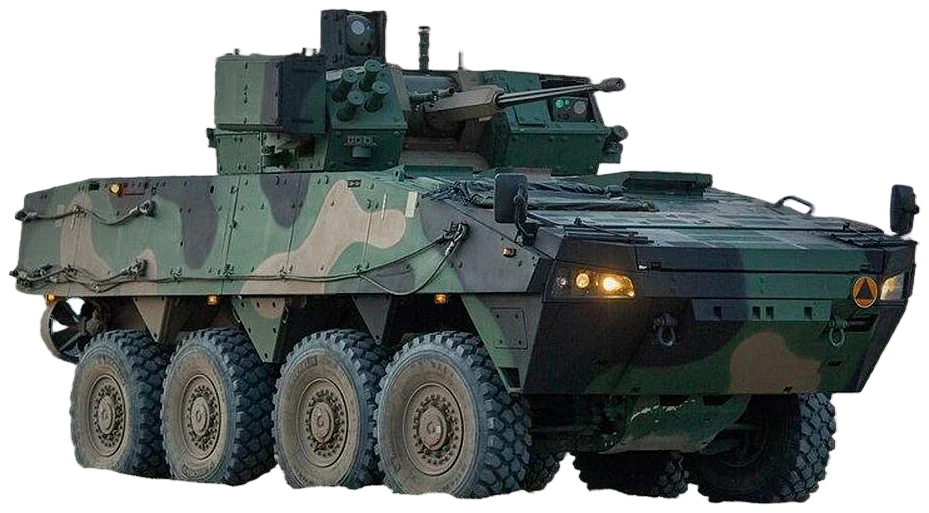 RosomakBTR-90ZBL-08Arma
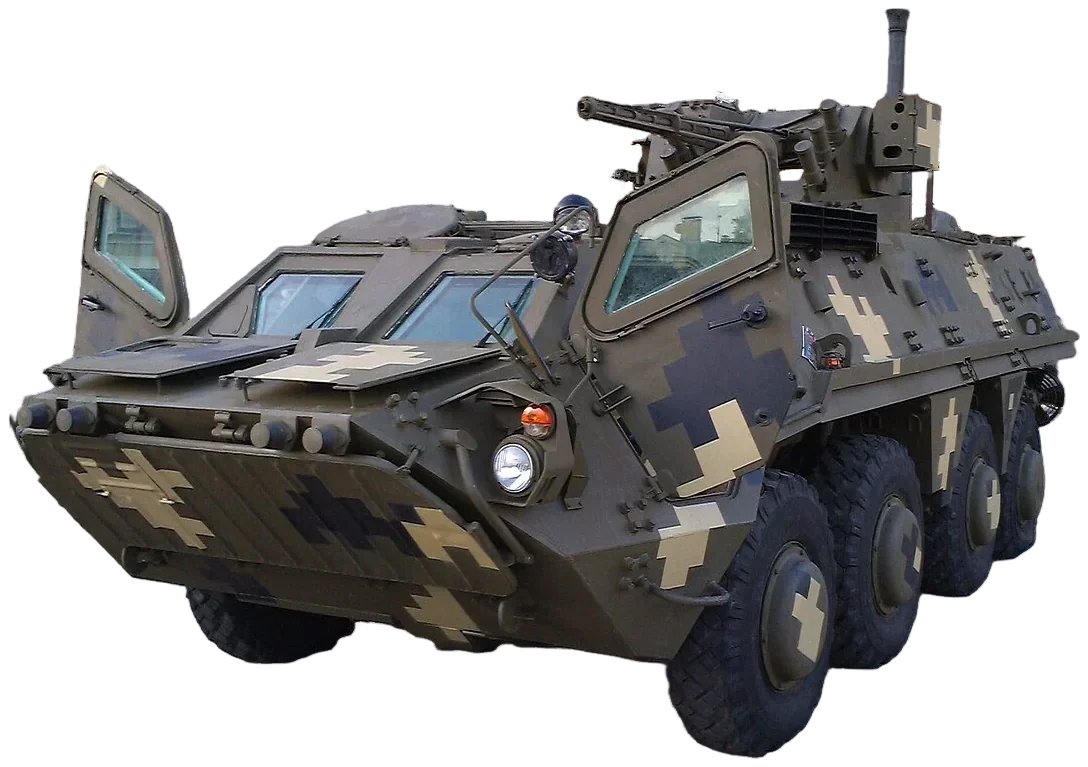 BTR-4AMPVACV
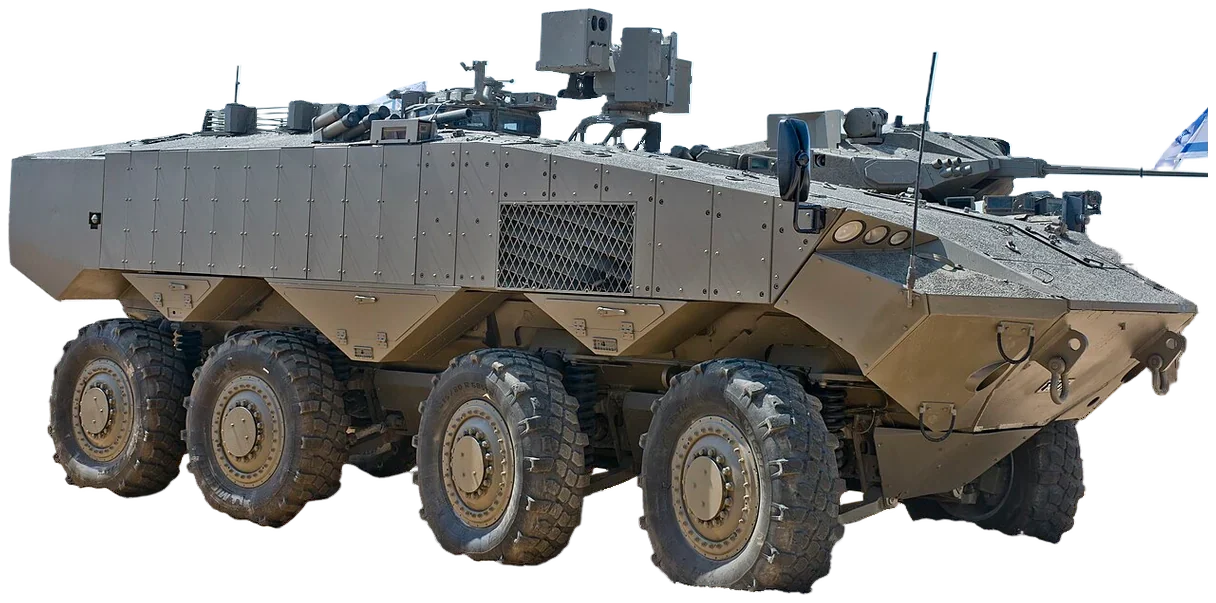 Eitan
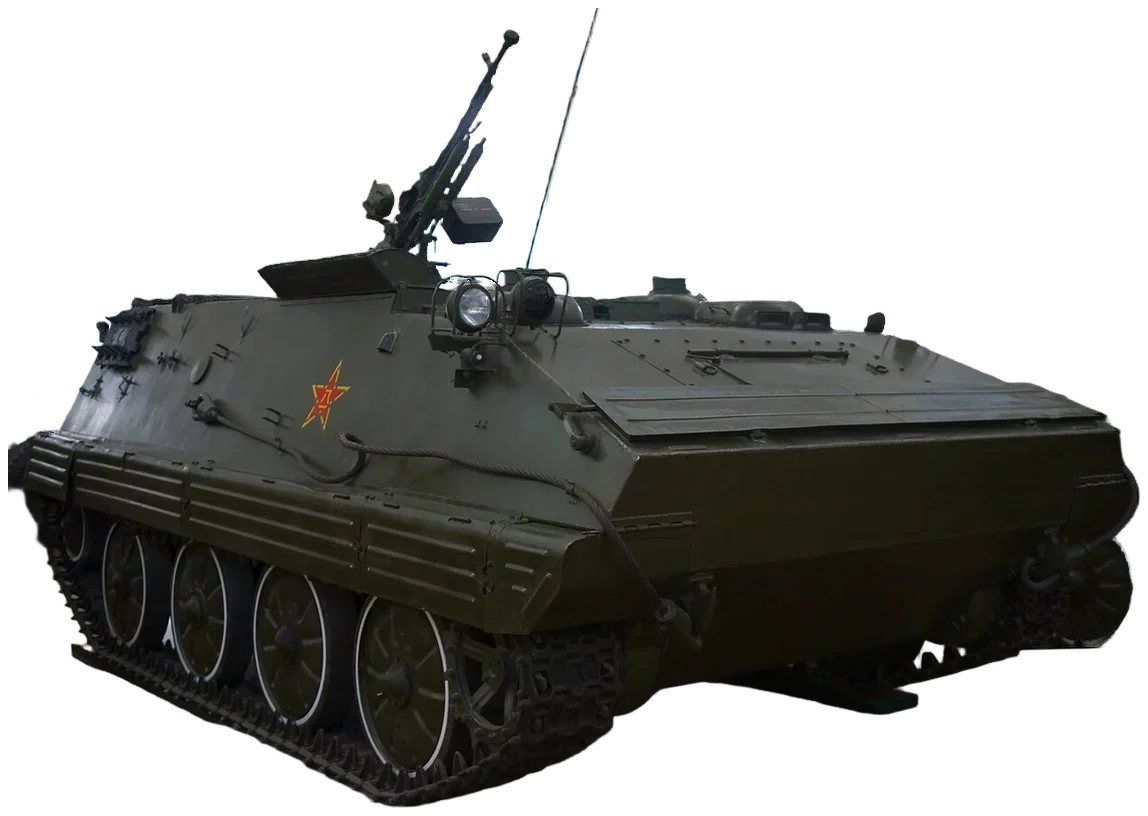 Type 63
Overview
BTR-60 is an armoured personnel carrier from the Soviet Union, made by Gorkovsky Avtomobilny Zavod and Regia Autonomă Pentru Producția De Tehnică Militară. It entered service in 1959; it was produced from 1960 to 1990; 25,000 were built. Its main weapon has a calibre of 14.5 mm. It is used or was used by Azerbaijan, Türkiye, Israel, the Soviet Union and 44 other countries, and saw combat in the Second Karabakh War, the First Karabakh War, the Russo-Ukrainian War, among others.
Specifications
- Main armament
- 14.5 mm KPVT heavy machine gun (500 rounds)
- Caliber
- 14.5 mm
- Secondary armament
- 7.62 mm PKT coaxial machine gun (3,000 rounds)
- Weight
- 10 t
- Length
- 7.56 m
- Width
- 2.83 m
- Height
- 2.31 m
- Engine
- 2×GAZ-49B 6-cylinder water-cooled gasoline
- Power
- 67 kW
- Road speed
- 80 km/h
- Off-road speed
- 10 km/h
- Operational range
- 500 km
- Fuel capacity
- 290 l
- Suspension
- Torsion bar with hydraulic shock absorbers
- Amphibious
- Yes
- Armour
- Welded steel 5−9 mm at hull 7 mm at turret
Weapons and ammunition on board
Users & conflicts


 Algeria
 Armenia
 Azerbaijan
 Bulgaria
 Cambodia
 Chad
 Cuba
 Egypt
 Ethiopia
 Iran
 Libya
 Mexico
 Moldova
 Mongolia
 Nicaragua
 North Korea
 Romania
 Russia
 Syria
 Tajikistan
 Turkmenistan
 Ukraine
 Uzbekistan
 Vietnam
 Yemen
 Afghanistan
 Angola
 Croatia
 Belarus
 China
 CzechoslovakiaEast Germany
 Estonia
 Finland
 Georgia
 Germany
 Hungary
 India
 Iraq
 Israel
 Peru
 Poland
 Saudi Arabia
 SomaliaSoviet Union
 Sudan
 Türkiye
 Yugoslavia
Sources
- Wikipedia (ru): БТР-60, Wikipedia
- Wikipedia: BTR-60, Wikipedia
Figures from the infobox of the English Wikipedia article, completed from Wikidata and the article in other languages where it gives none; where there are several versions, the first one given. Operators include former ones; the side that used a vehicle in a war is derived from its operators.
 EN
 Français
 Español